About
Services
Work
DiscoverAI
Careers
Blog
Contact
Explore
Product Pages
Company Pages
Account Pages
Template
Style Guide
Getting Started
Changelog
Licenses
Search
Buy Stem
Contact
Blog
Browse by category:
All
Journal
News
Insight
October 23, 2026
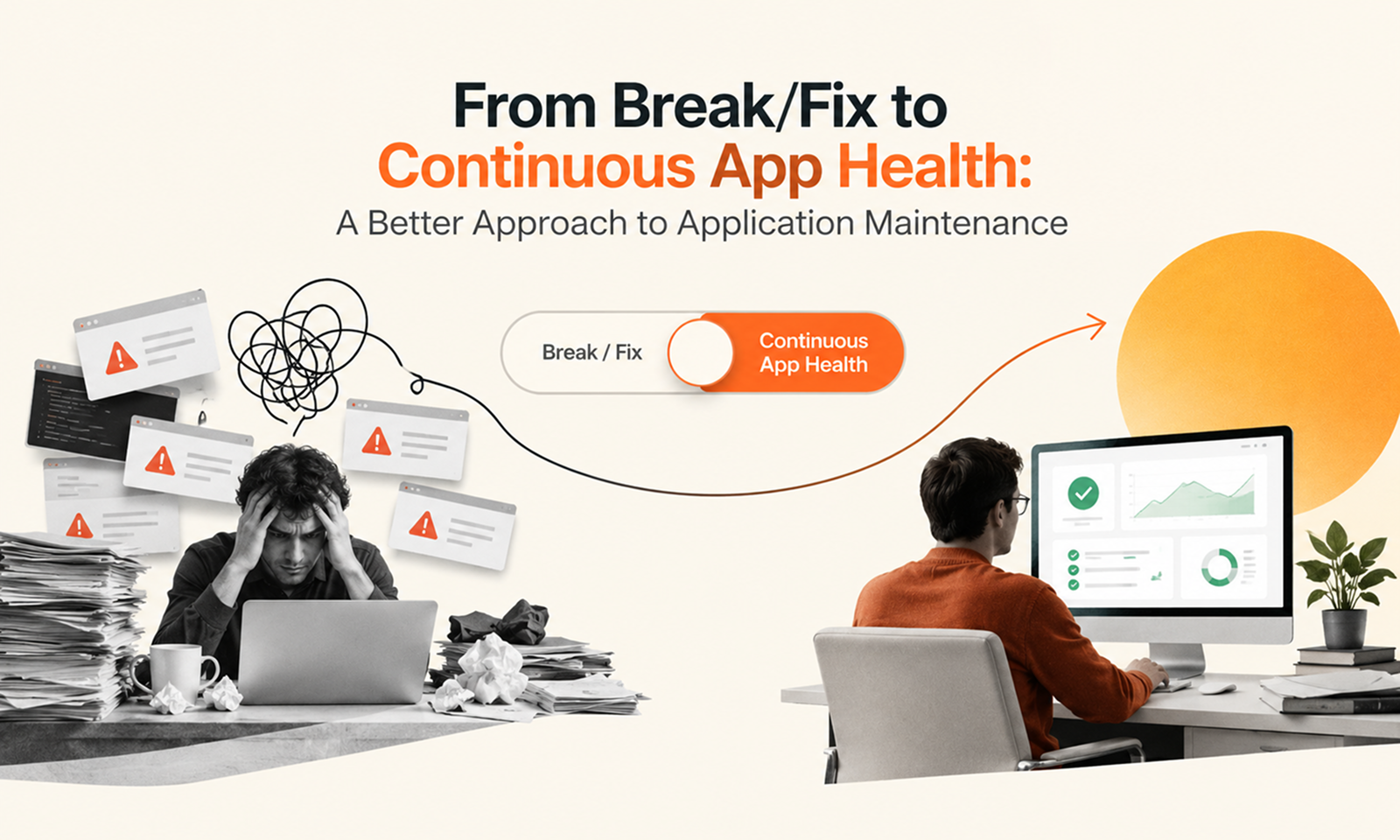
From Break/Fix to Continuous App Health: A Better Approach to Application Maintenance
October 23, 2026
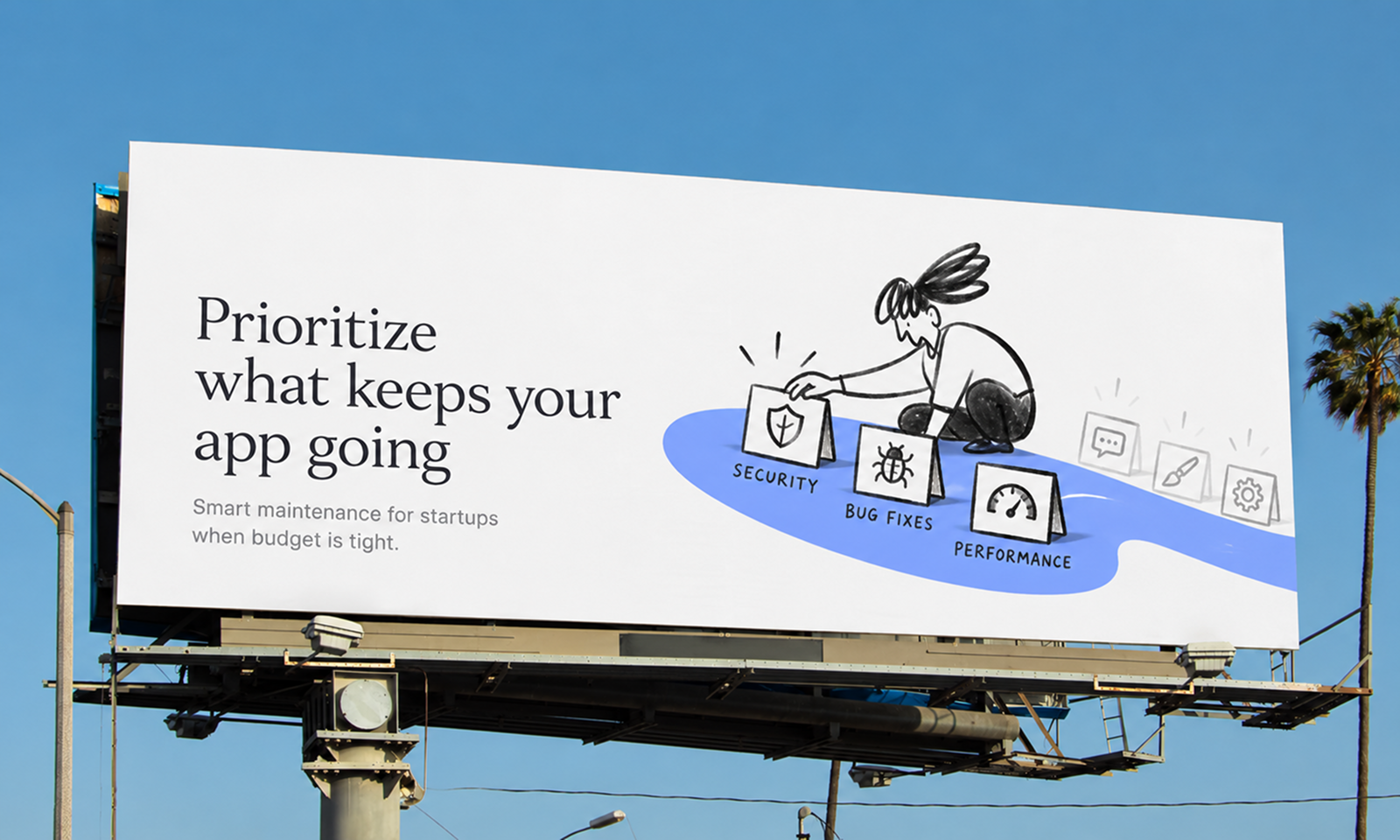
App Maintenance for Startups: What to Prioritize When Your Budget Is Limited
October 23, 2026
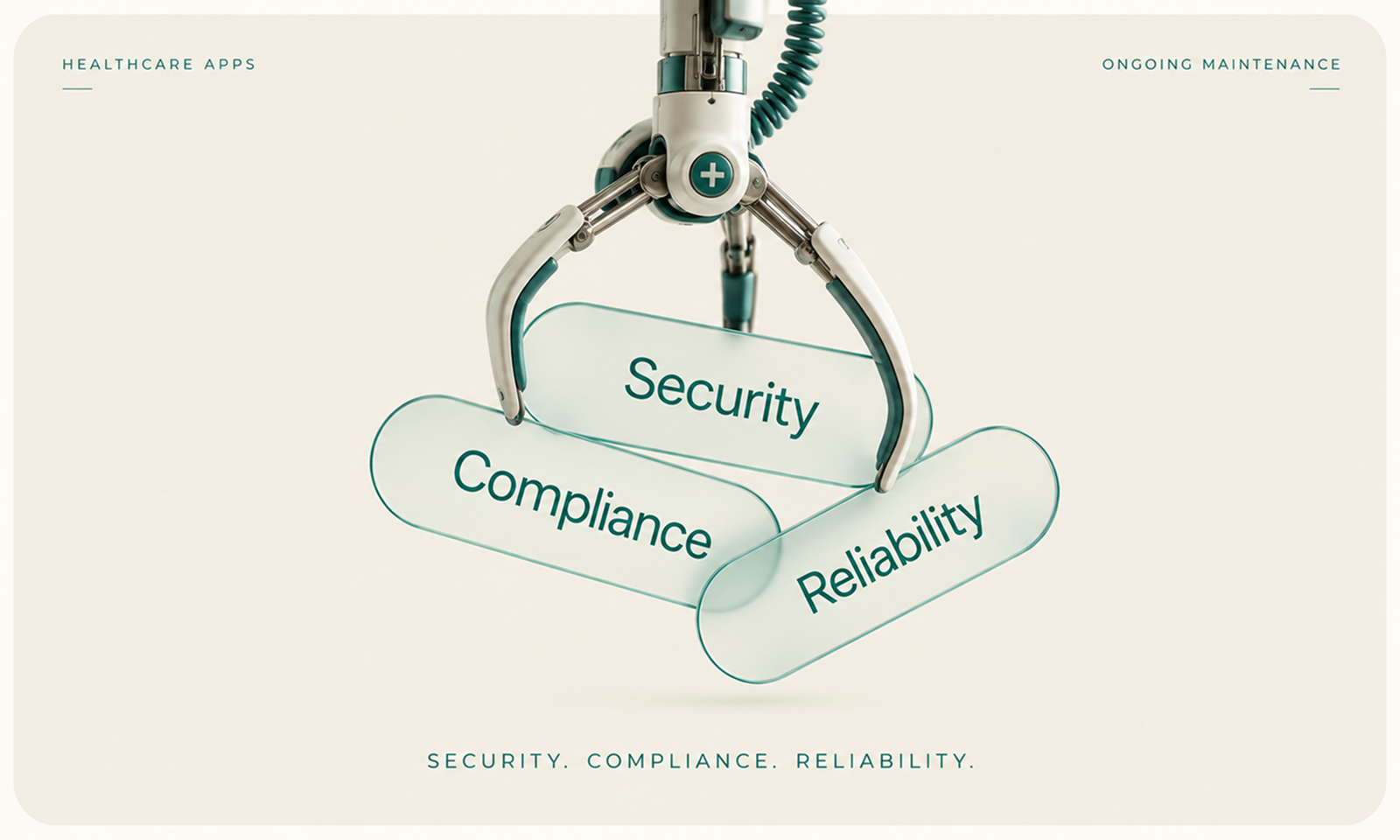
Healthcare App Maintenance: Security, Compliance and Reliability Considerations
October 23, 2026
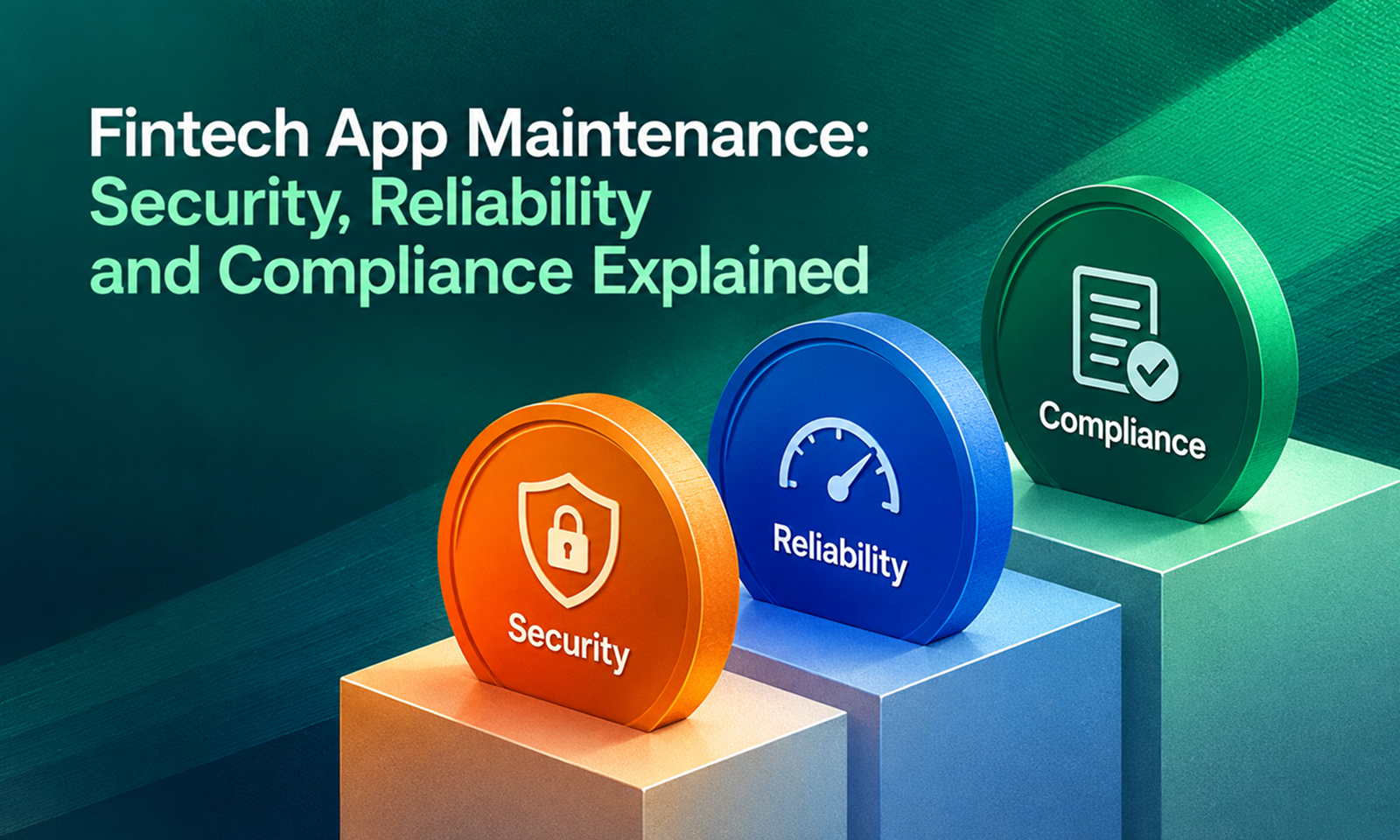
Fintech App Maintenance: Security, Reliability and Compliance Explained
October 23, 2026
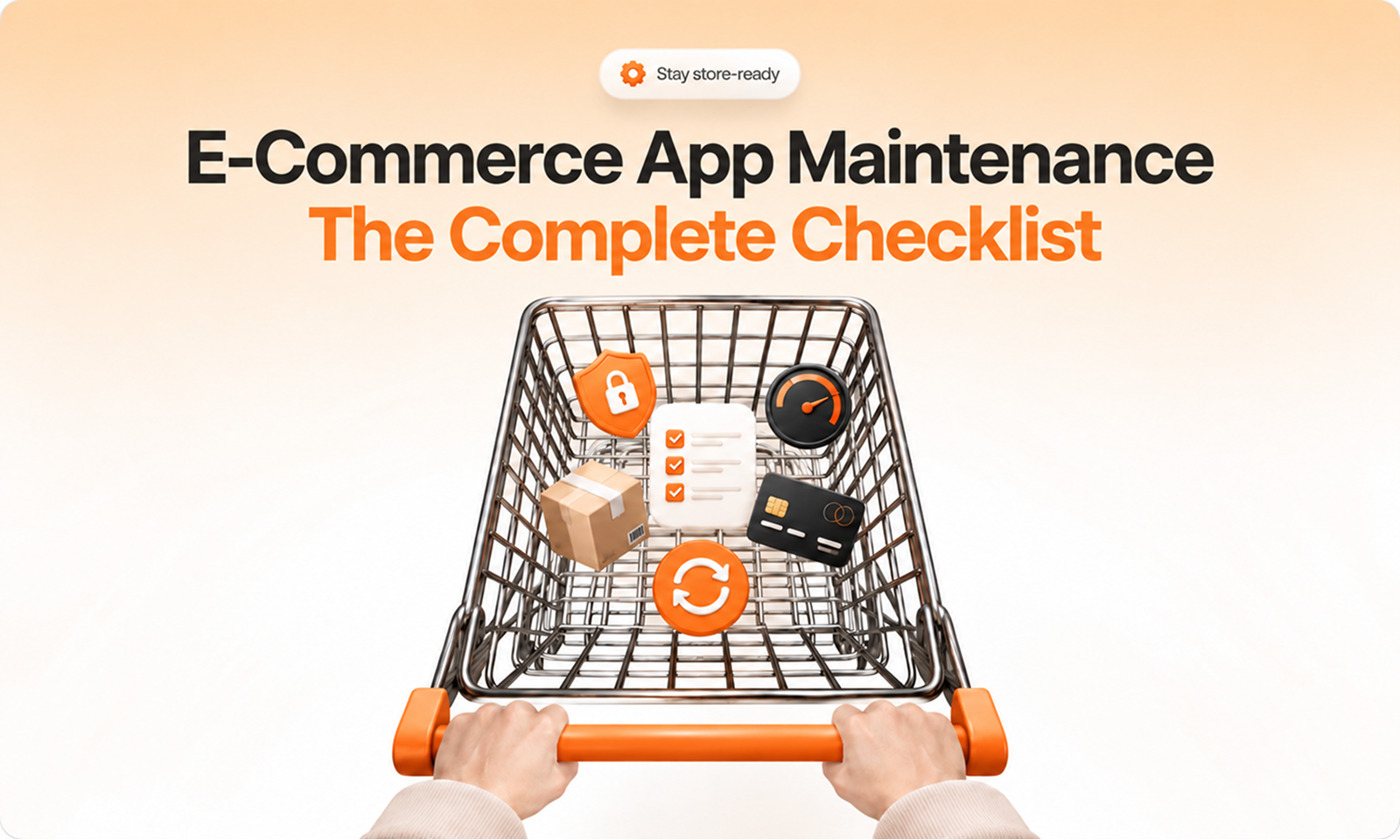
E-Commerce App Maintenance: The Complete Checklist
October 23, 2026
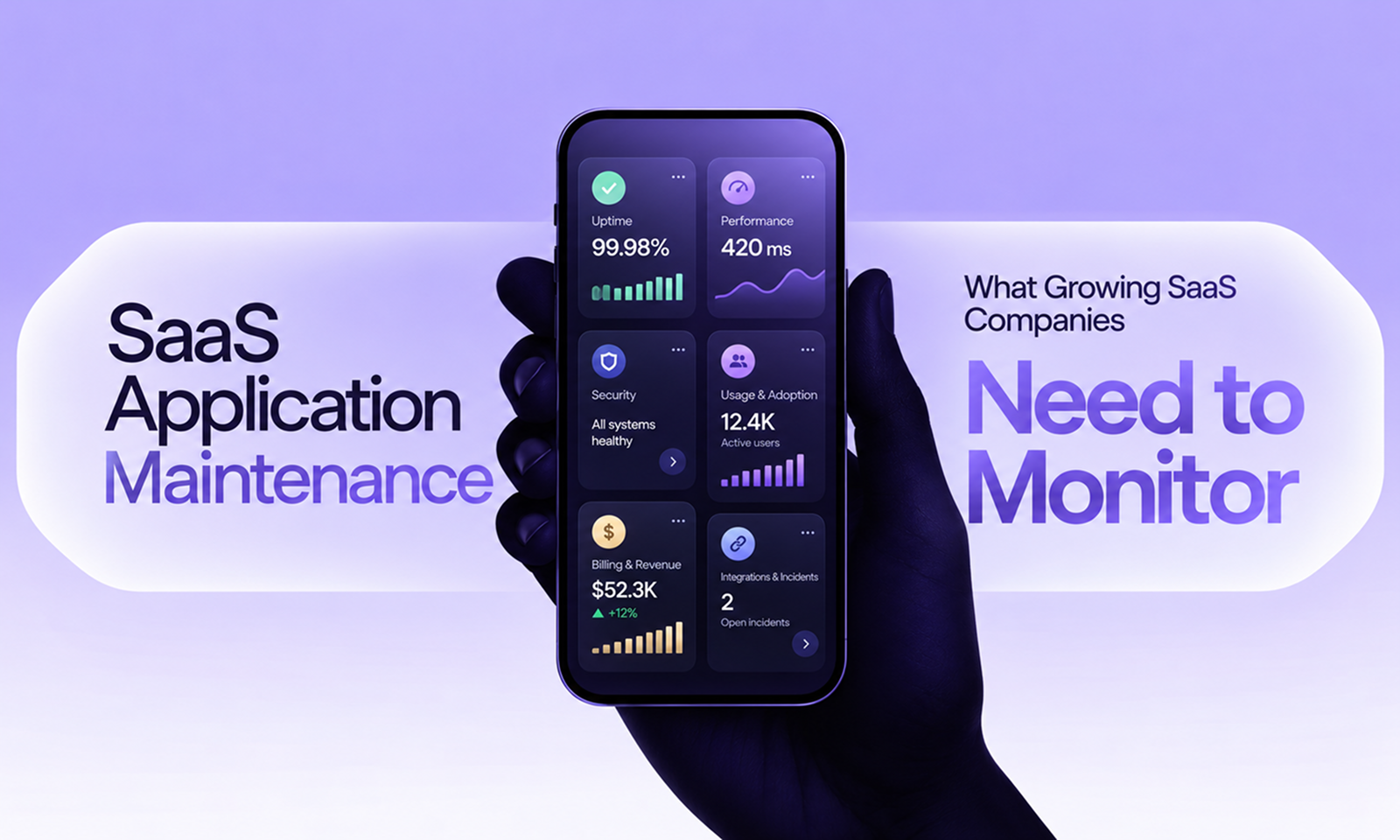
SaaS Application Maintenance: What Growing SaaS Companies Need to Monitor
October 23, 2026
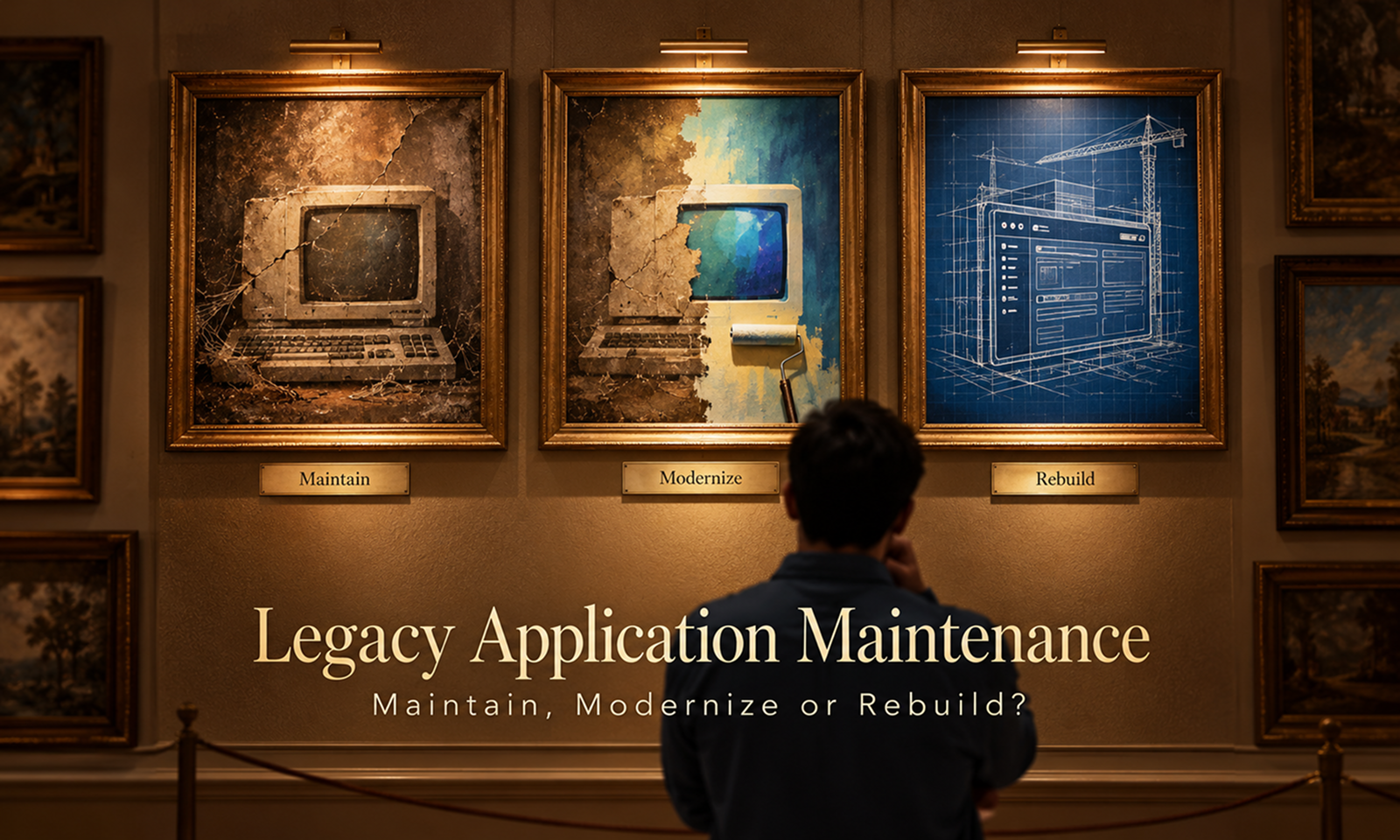
Legacy Application Maintenance: Maintain, Modernize or Rebuild?
October 23, 2026
How to Take Over an App Built by Another Development Team
October 23, 2026
15 Questions to Ask Before Hiring an App Maintenance Company
October 23, 2026
How to Choose an Application Maintenance Company
October 23, 2026
What Should Be Included in an App Maintenance SLA?
October 23, 2026
Signs Your App Maintenance Team Has Outgrown a Break/Fix Model
October 23, 2026
EdTech App Maintenance: Privacy, Accessibility and Compliance Considerations
October 23, 2026
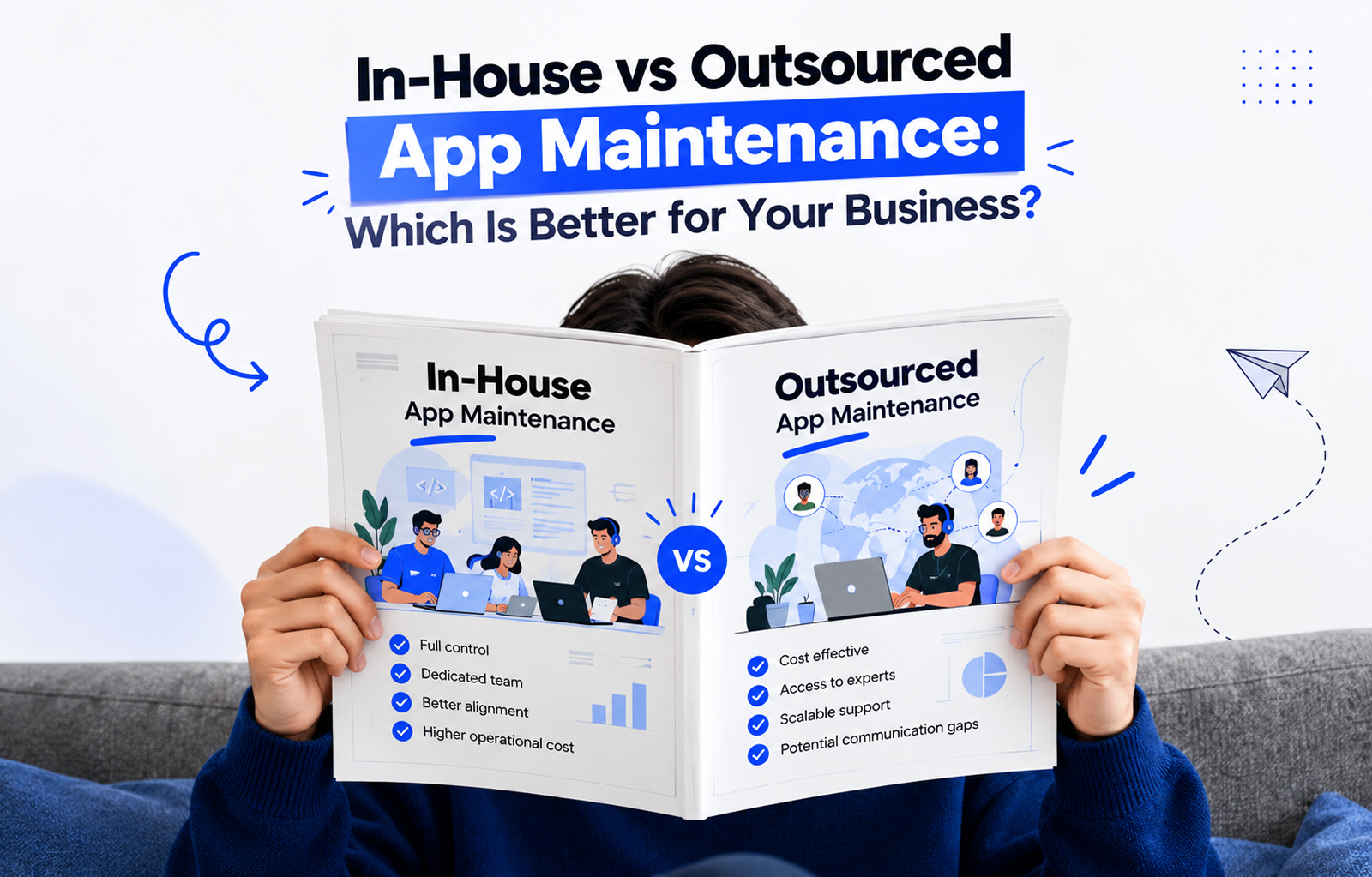
In-House vs Outsourced App Maintenance: Which Is Better for Your Business?
October 23, 2026
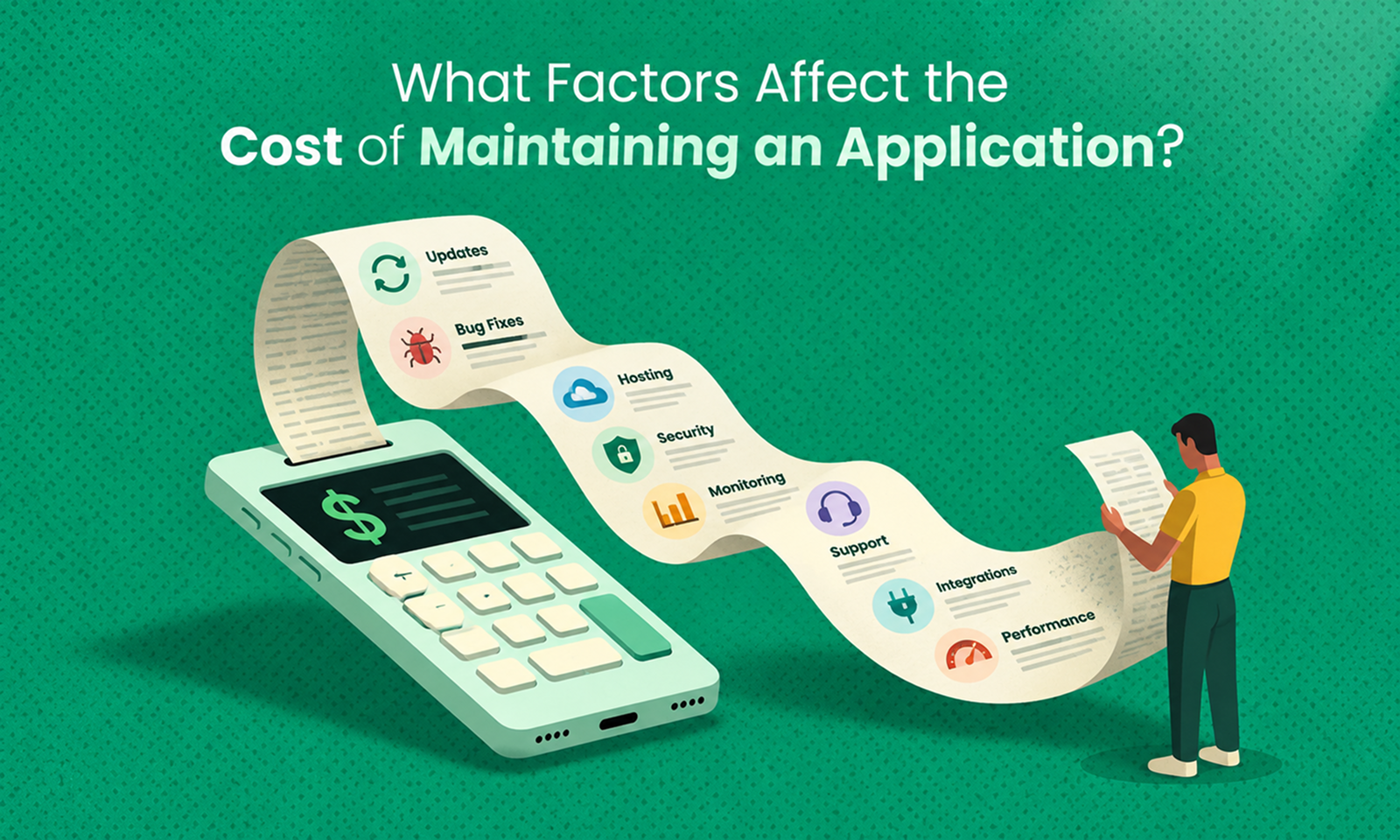
What Factors Affect the Cost of Maintaining an Application?
October 23, 2026
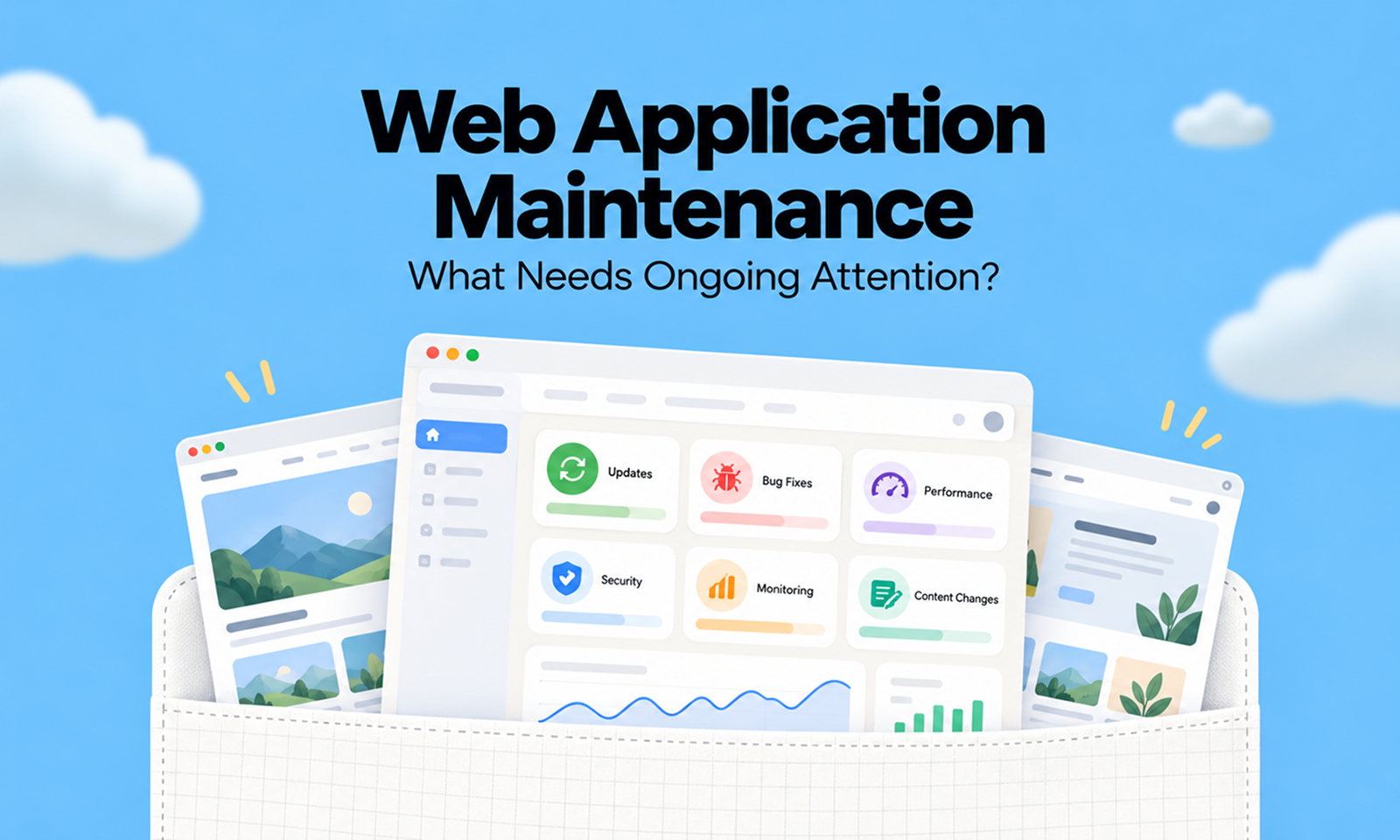
Web Application Maintenance After Launch: What Needs Ongoing Attention?
October 23, 2026
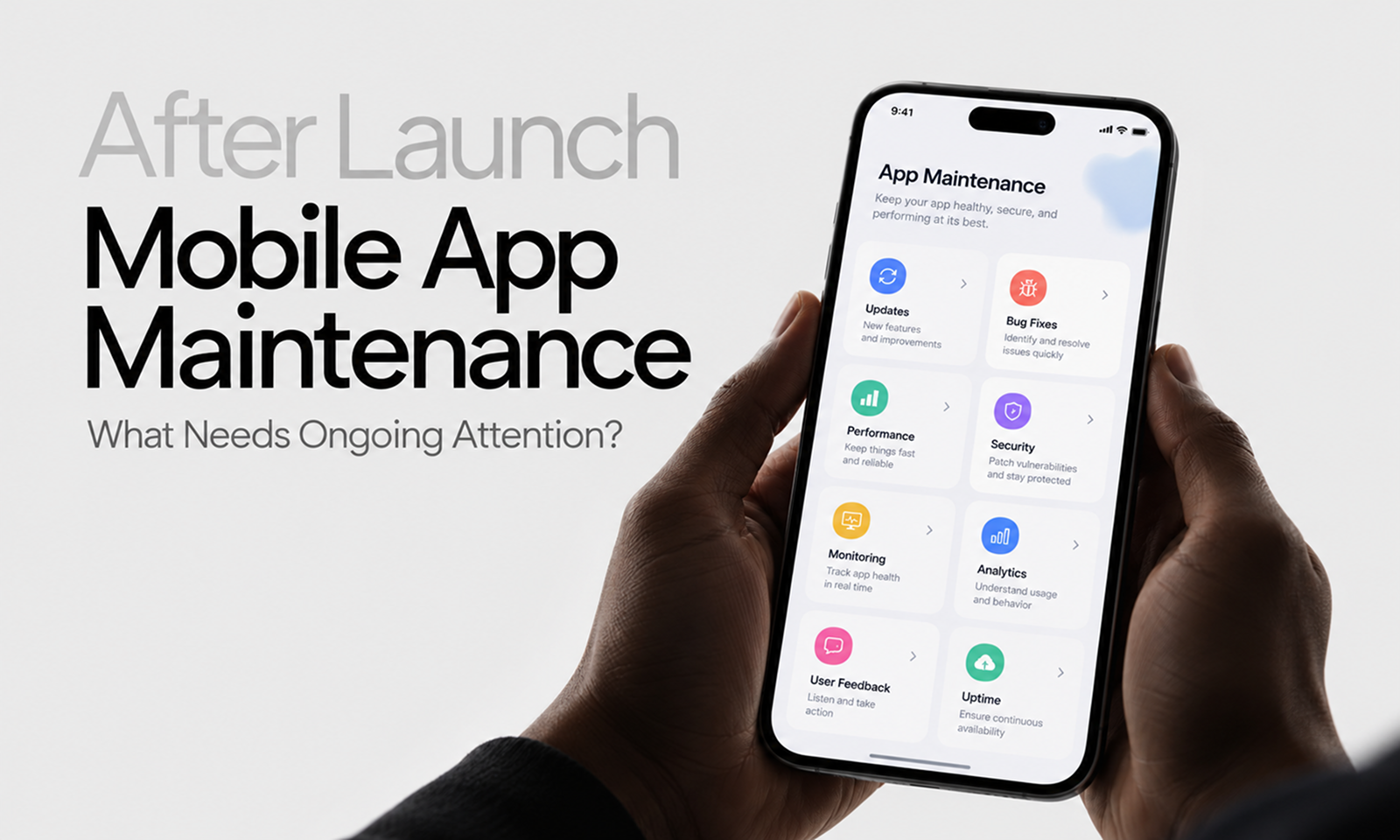
Mobile App Maintenance After Launch: What Needs Ongoing Attention?
October 23, 2026
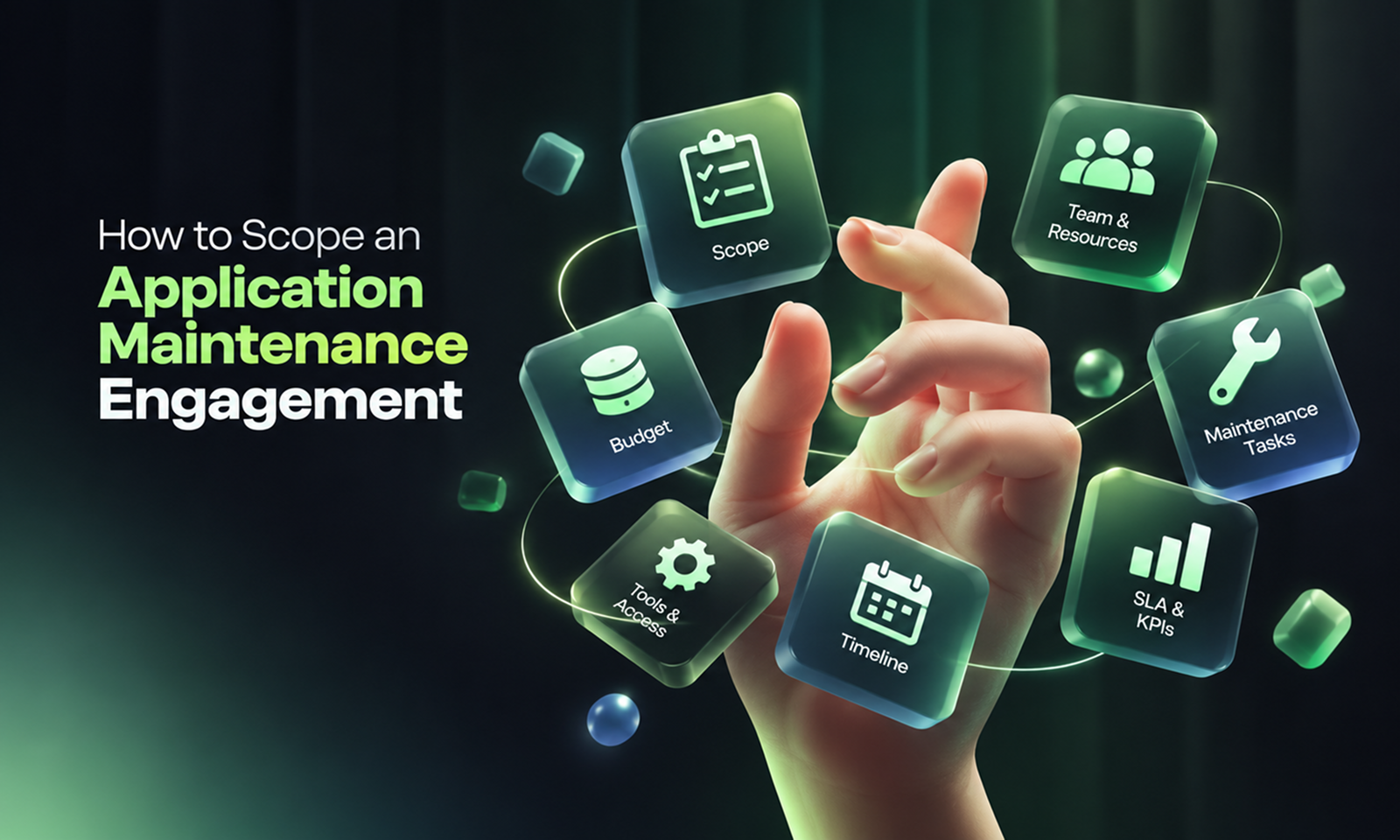
How to Scope an Application Maintenance Engagement
October 23, 2026
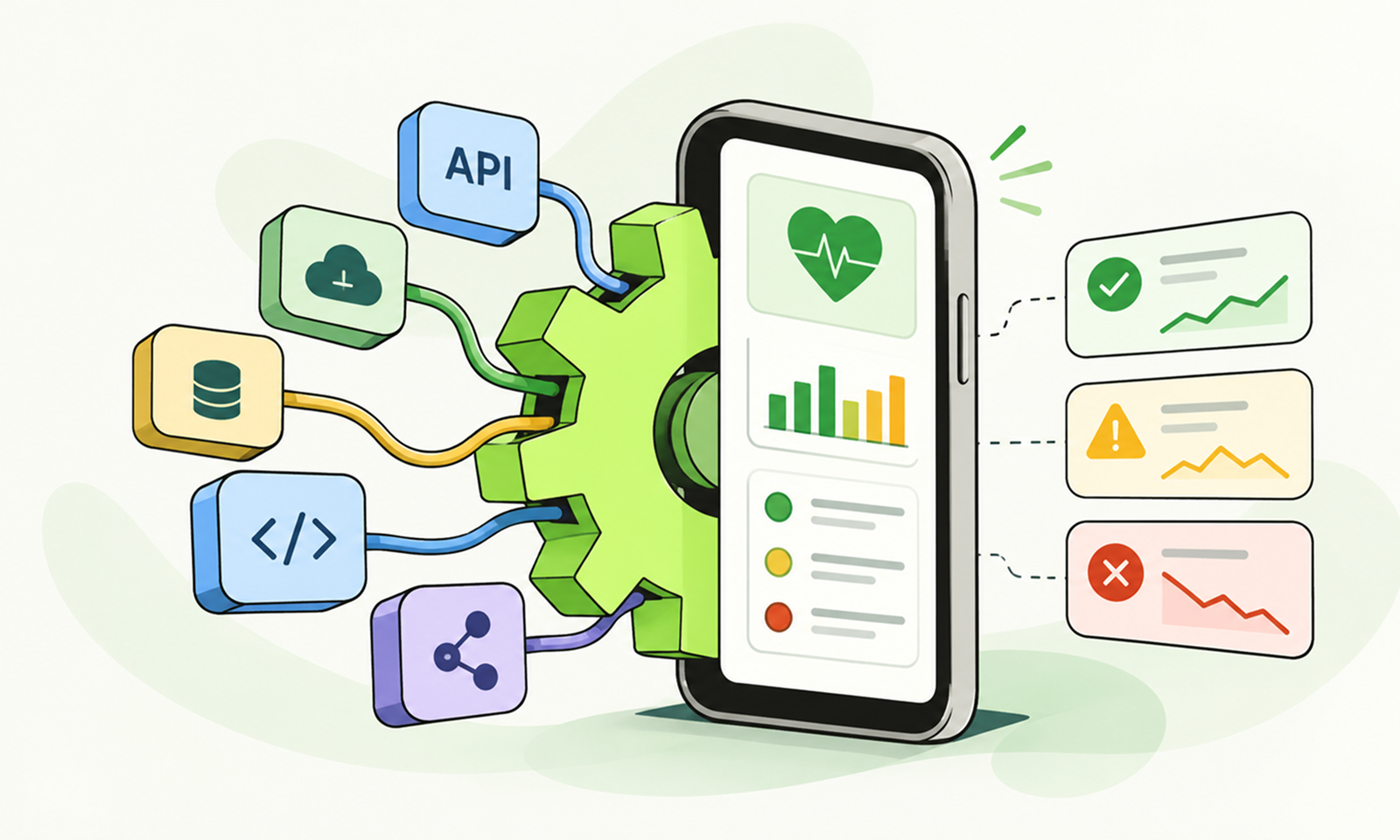
How to Monitor the Health of Your App’s APIs and Integrations
October 23, 2026
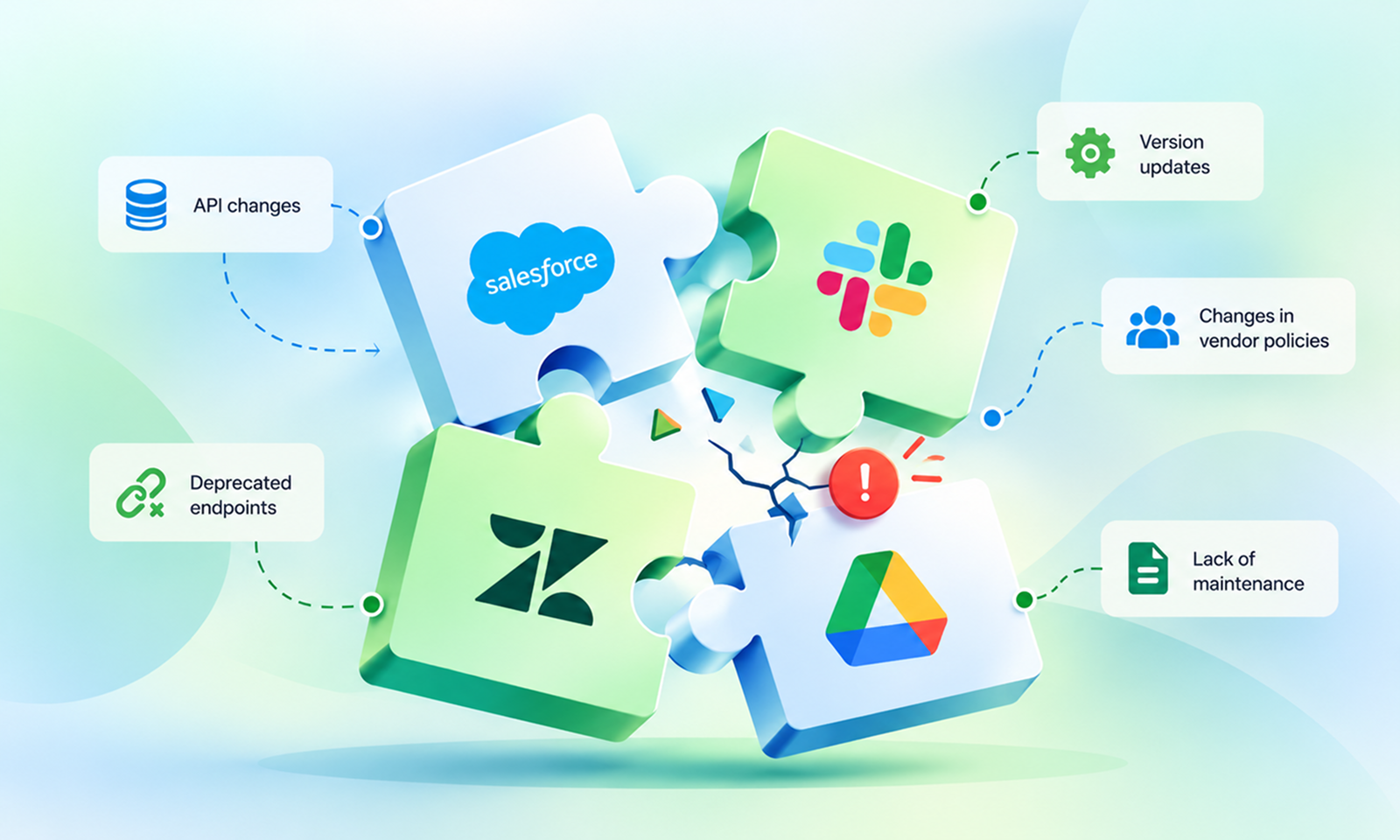
Why Third-Party Integrations Fail Over Time
October 23, 2026
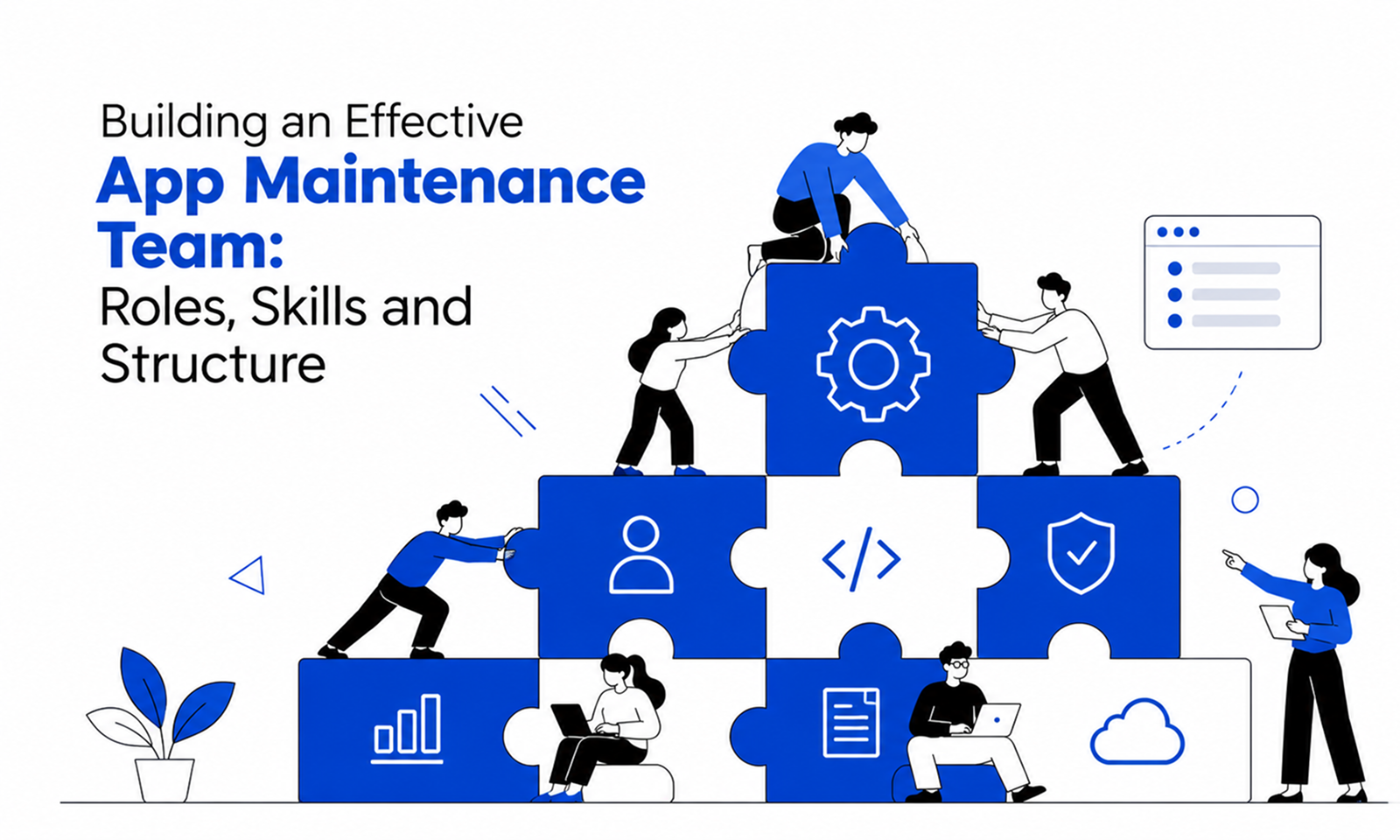
Building an Effective App Maintenance Team: Roles, Skills and Structure
October 23, 2026
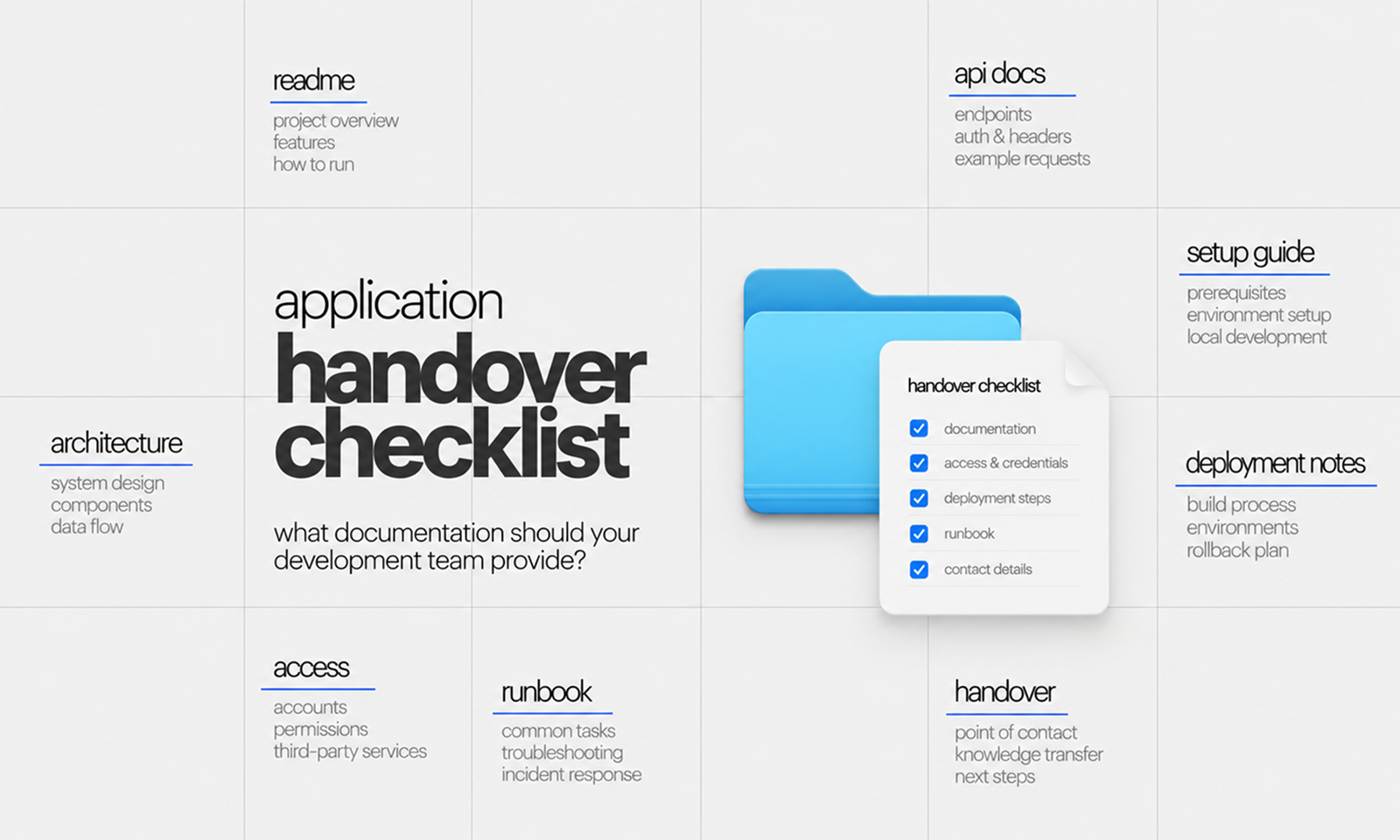
The Application Handover Checklist: What Documentation Should Your Development Team Provide?
October 23, 2026
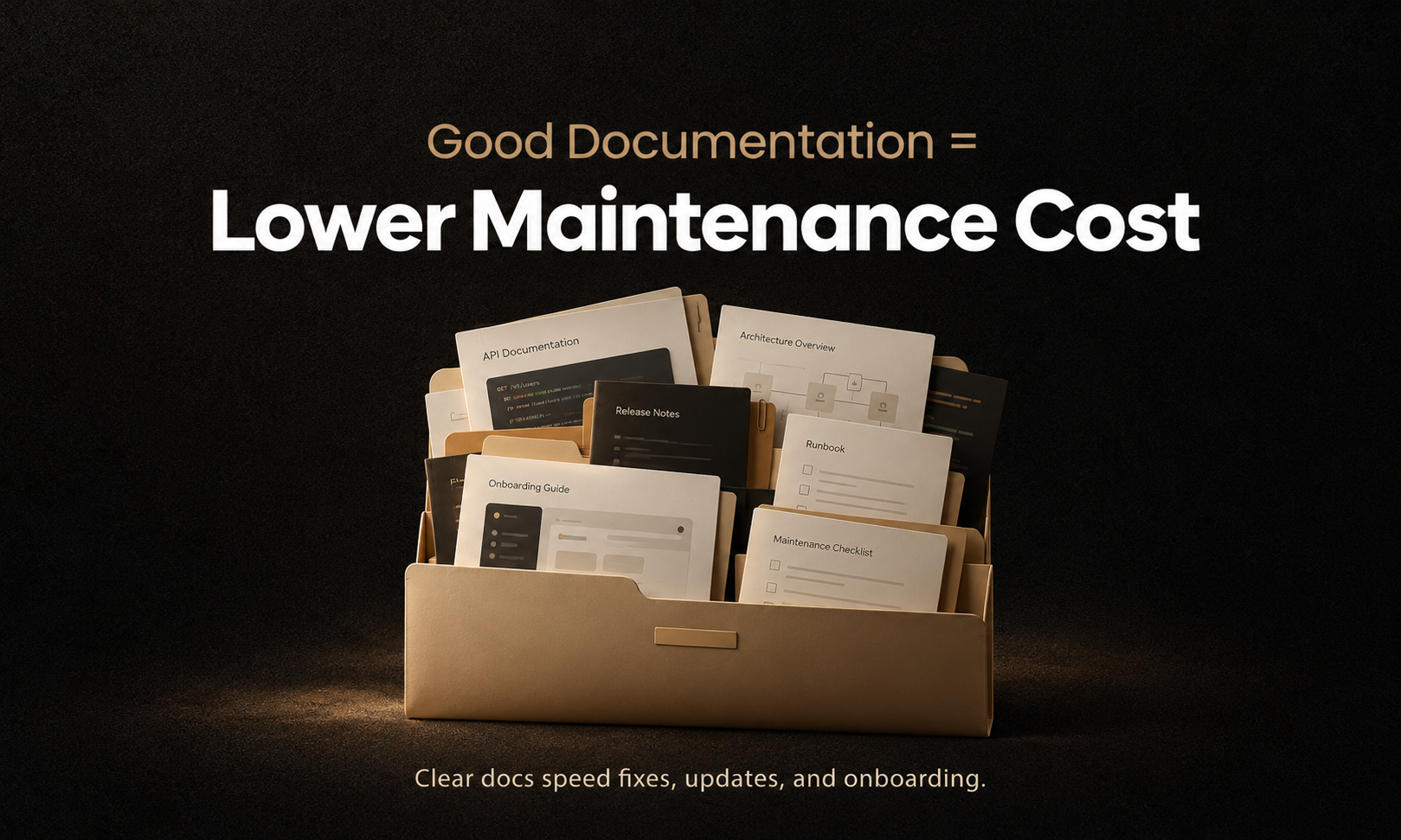
Why Good Documentation Makes an App Cheaper to Maintain
October 23, 2026
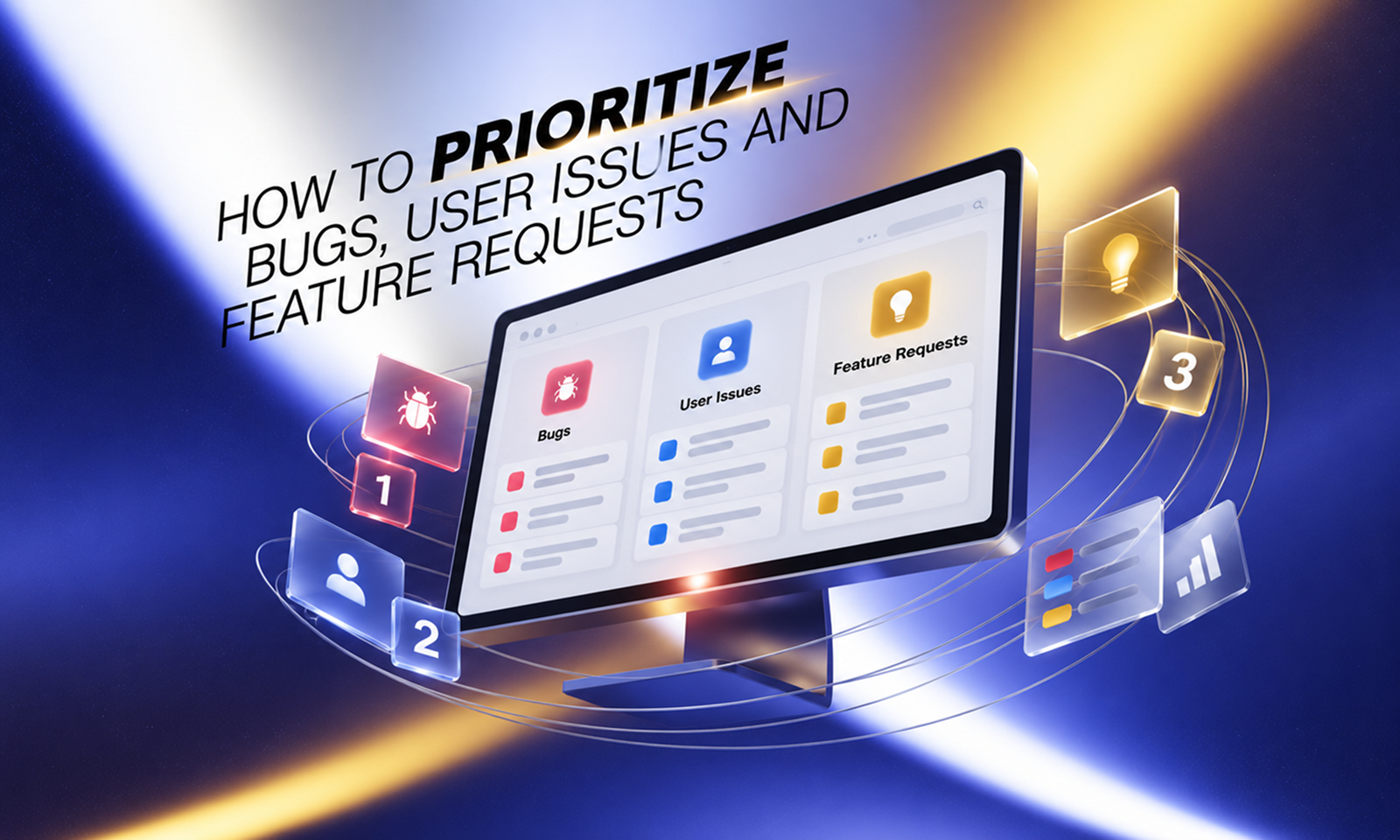
How to Prioritize Bugs, User Issues and Feature Requests
October 23, 2026
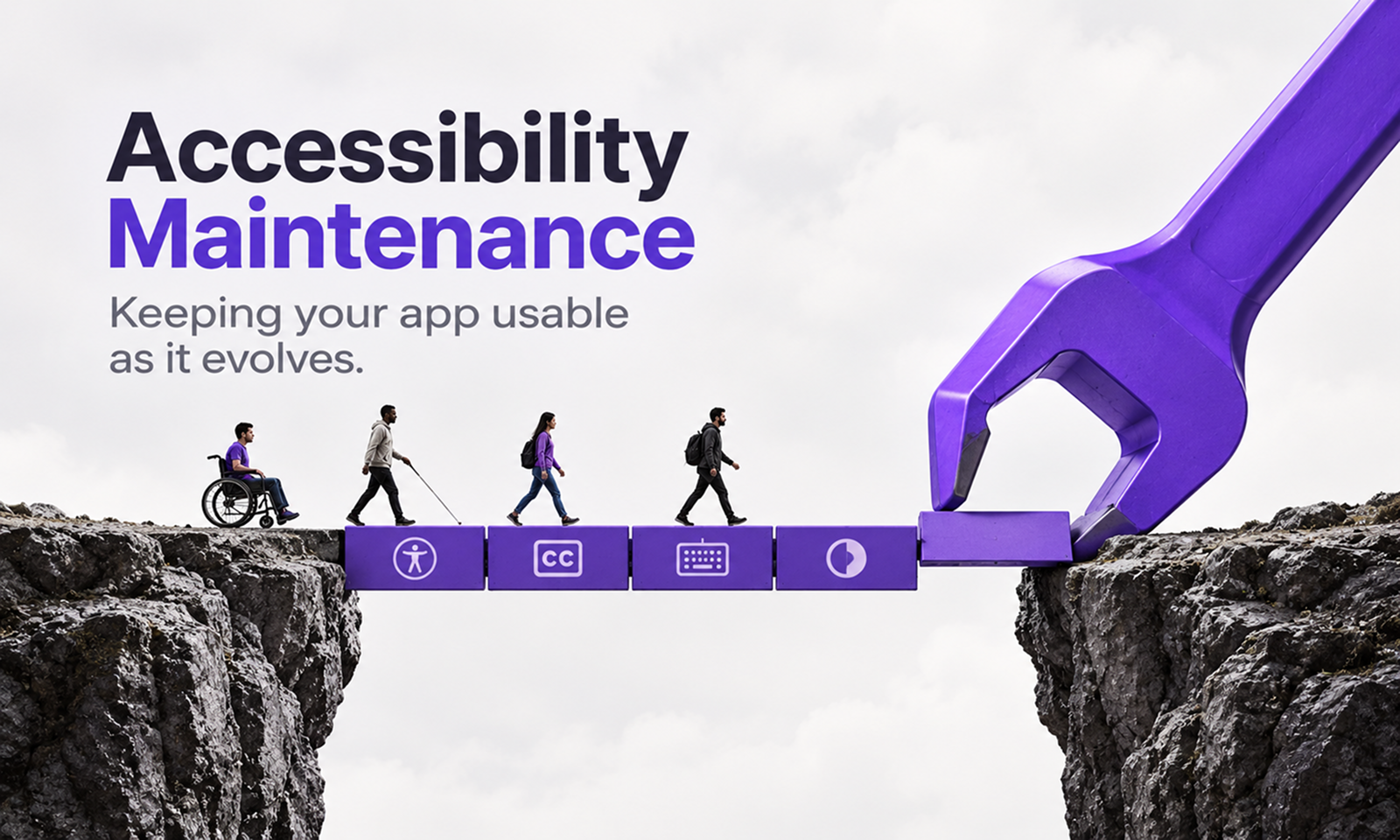
Accessibility Maintenance: Keeping Your App Usable as It Evolves
October 23, 2026
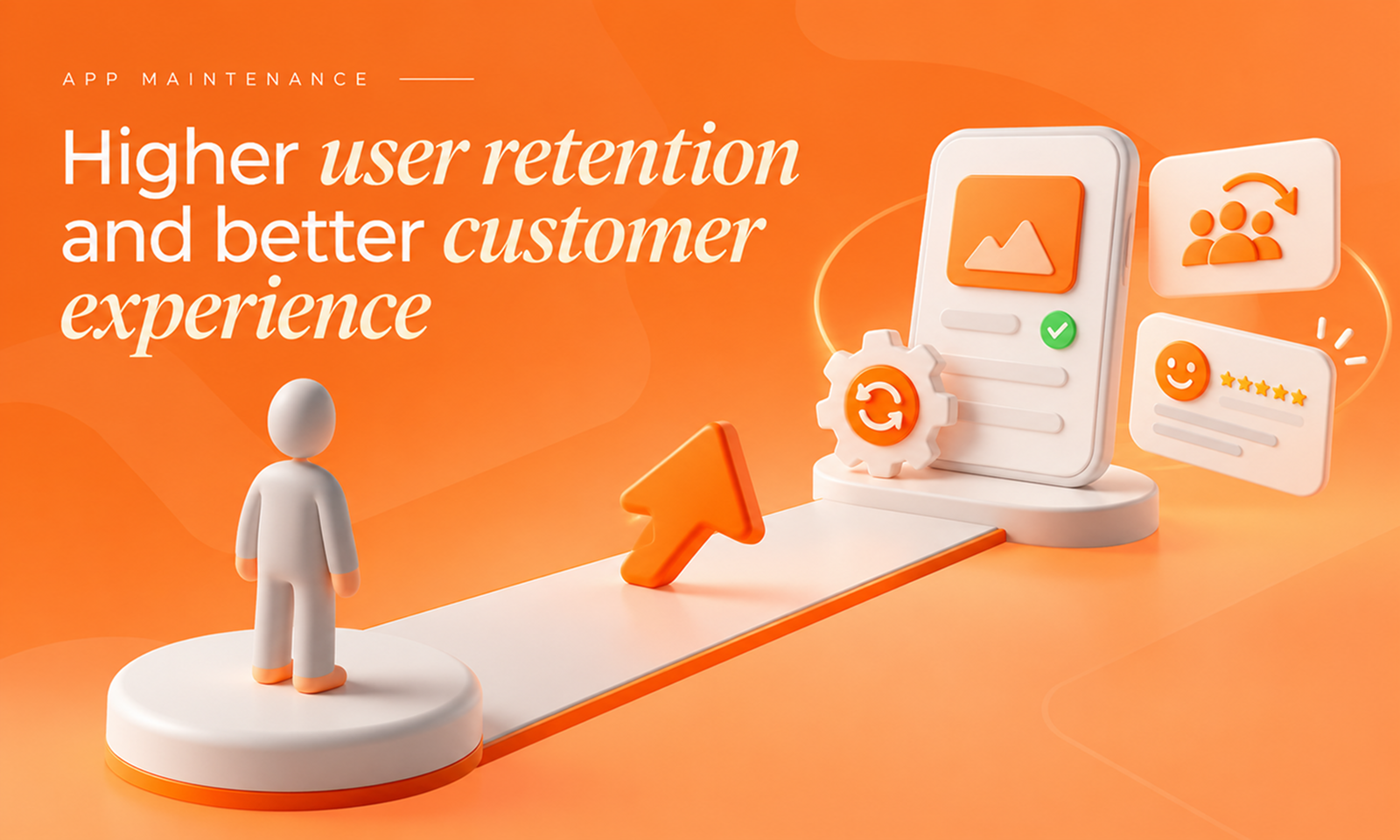
How App Maintenance Affects User Retention and Customer Experience
October 23, 2026
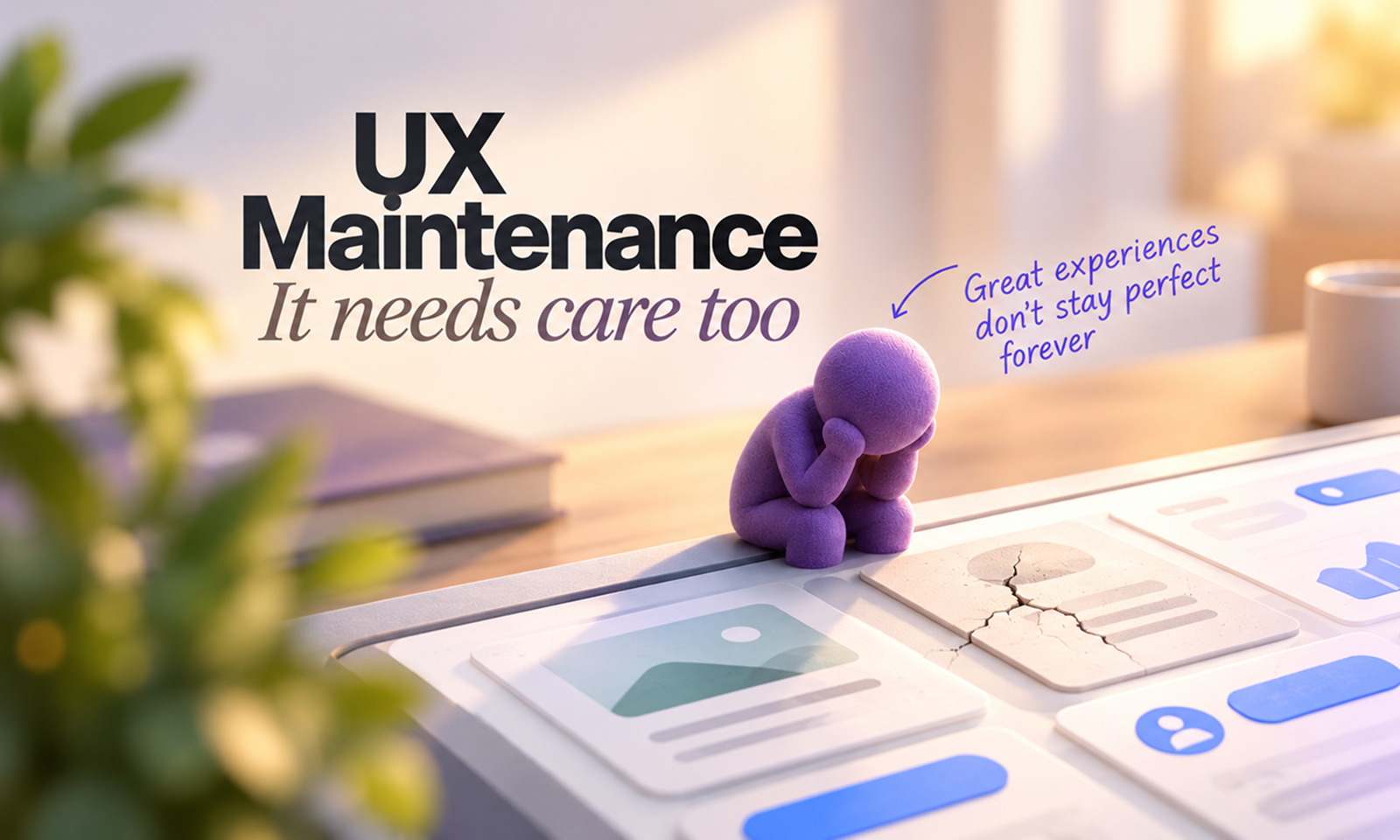
UX Maintenance: Why User Experience Needs Maintenance Too
October 23, 2026
Zero-Downtime Deployment: How to Update an App Without Taking It Offline
October 23, 2026
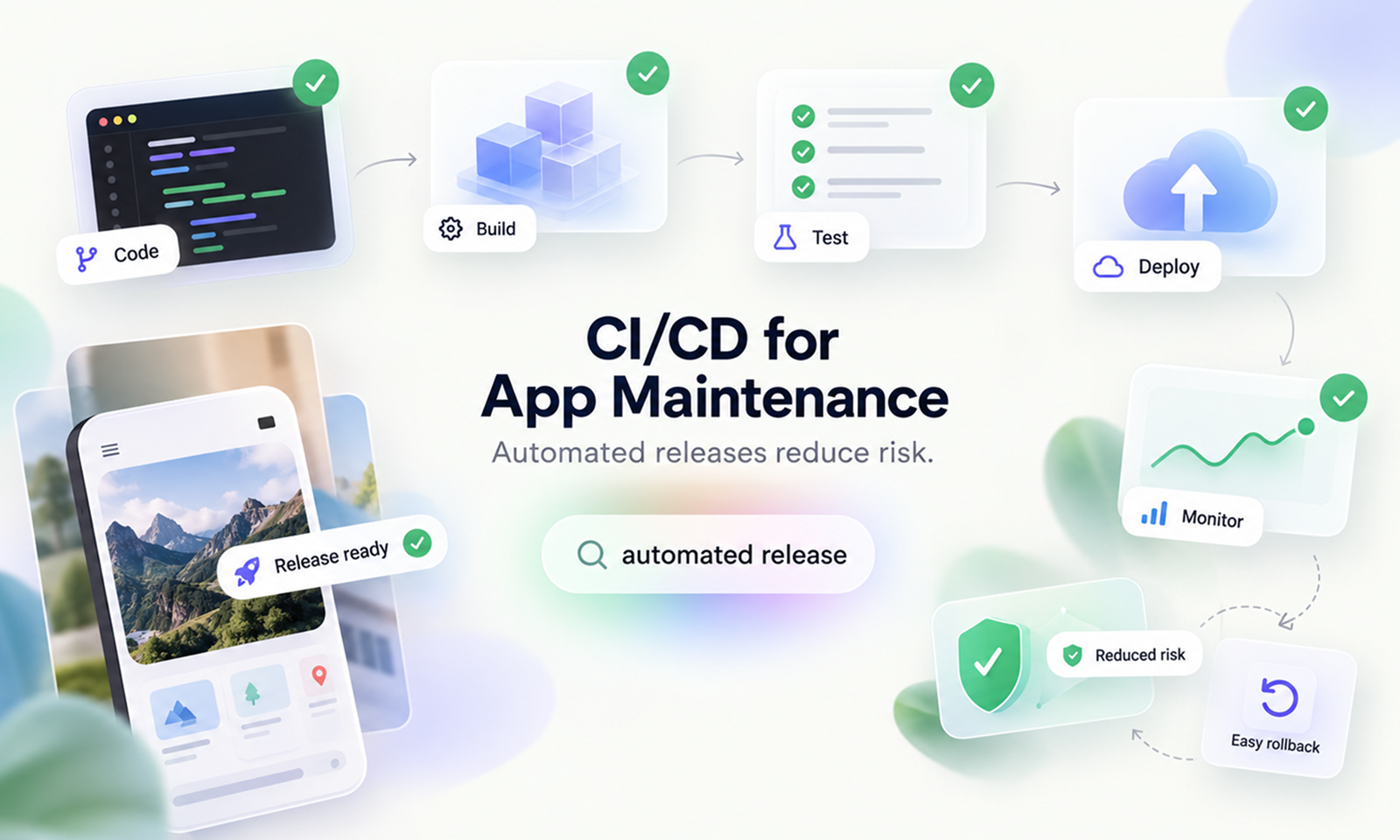
CI/CD for App Maintenance: How Automated Releases Reduce Risk
October 23, 2026
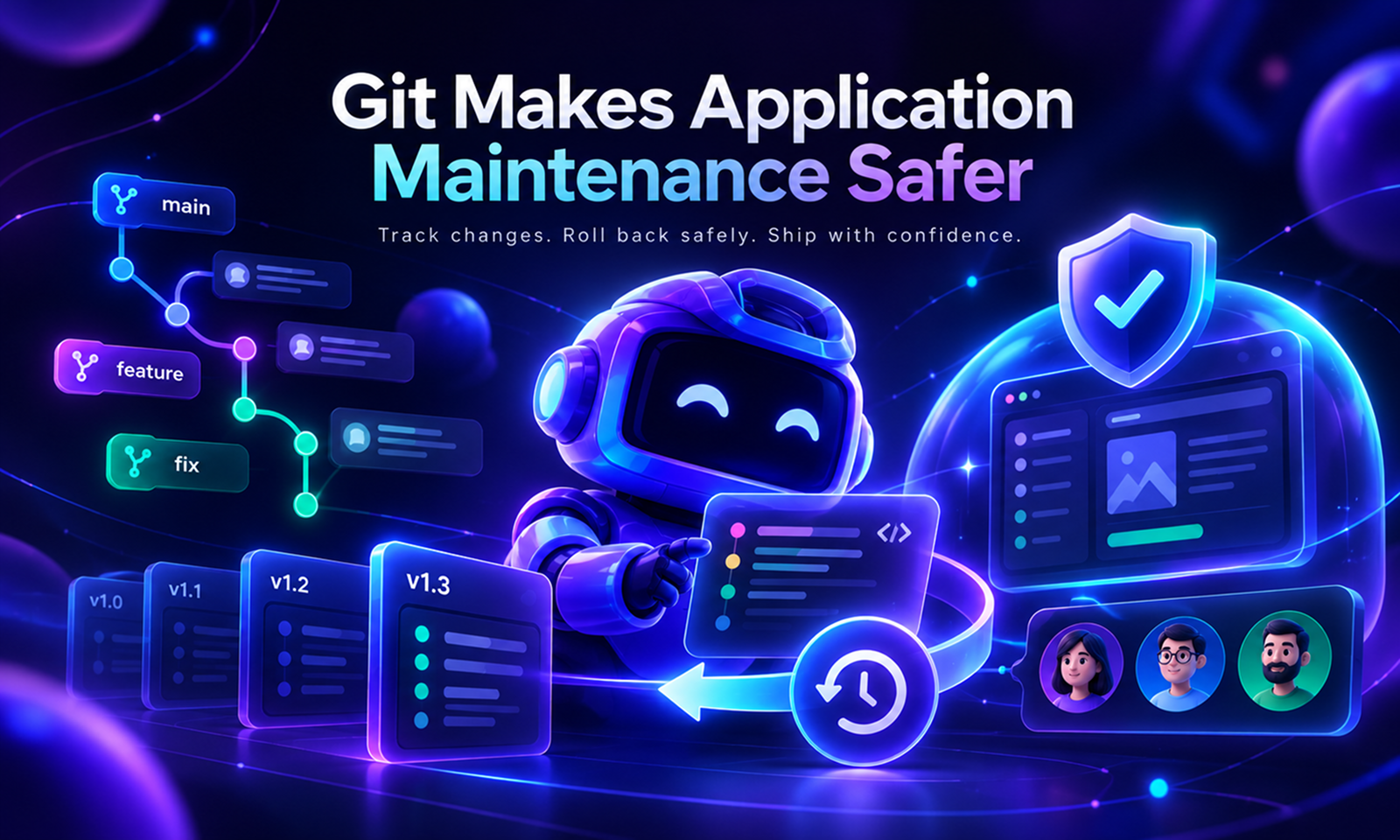
How Git Makes Application Maintenance Safer
October 23, 2026
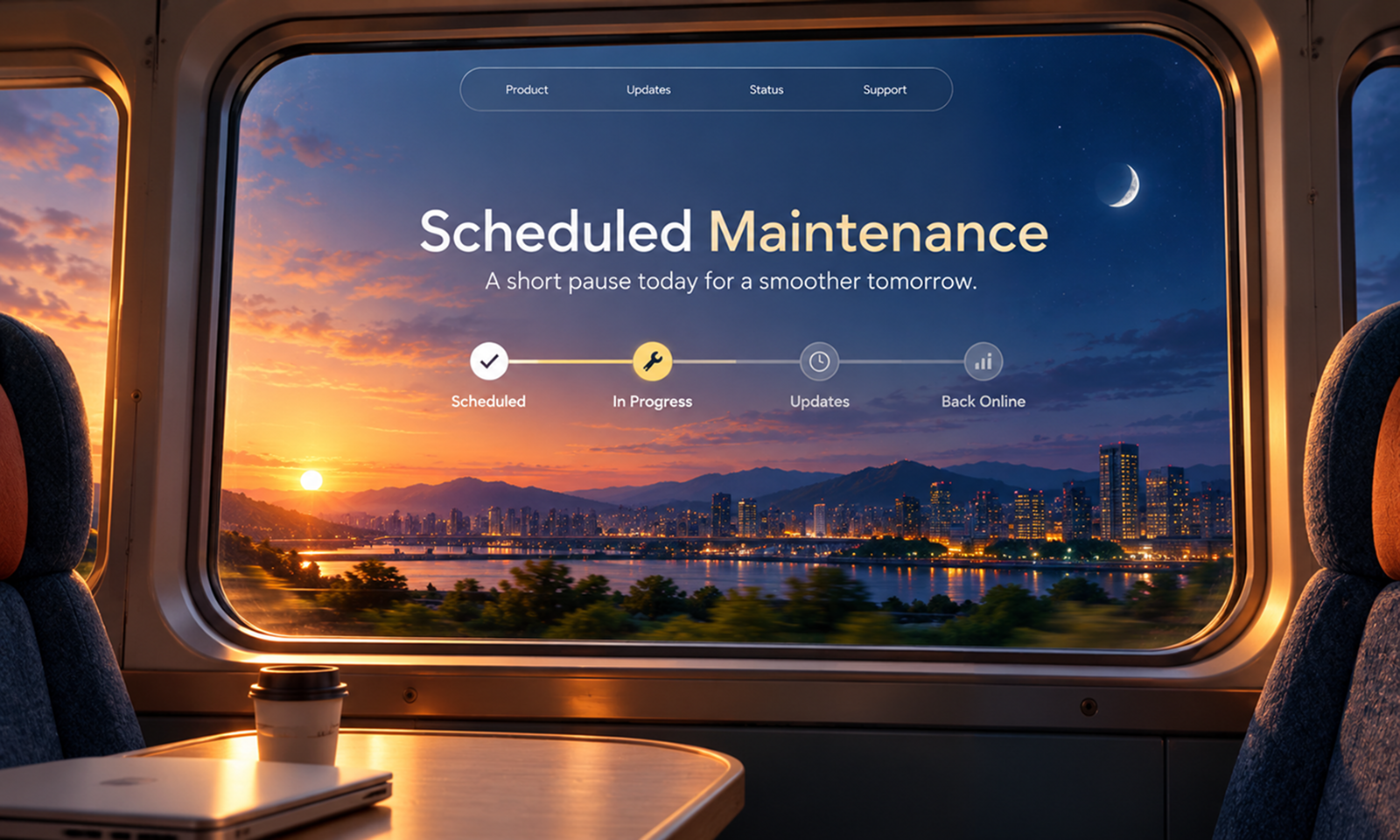
What Is a Maintenance Window and How Should You Schedule One?
October 23, 2026
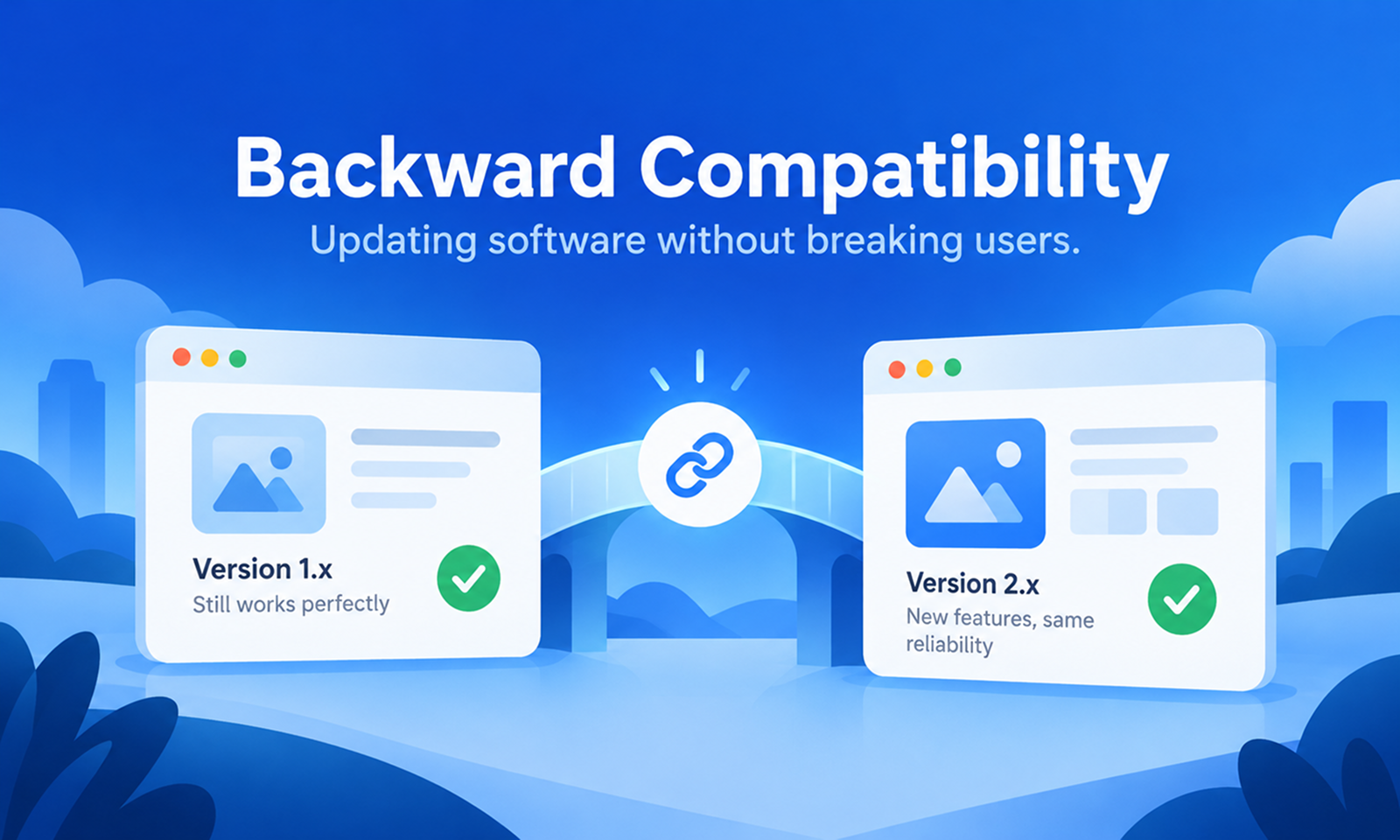
Backward Compatibility: How to Update Software Without Breaking Users
October 23, 2026
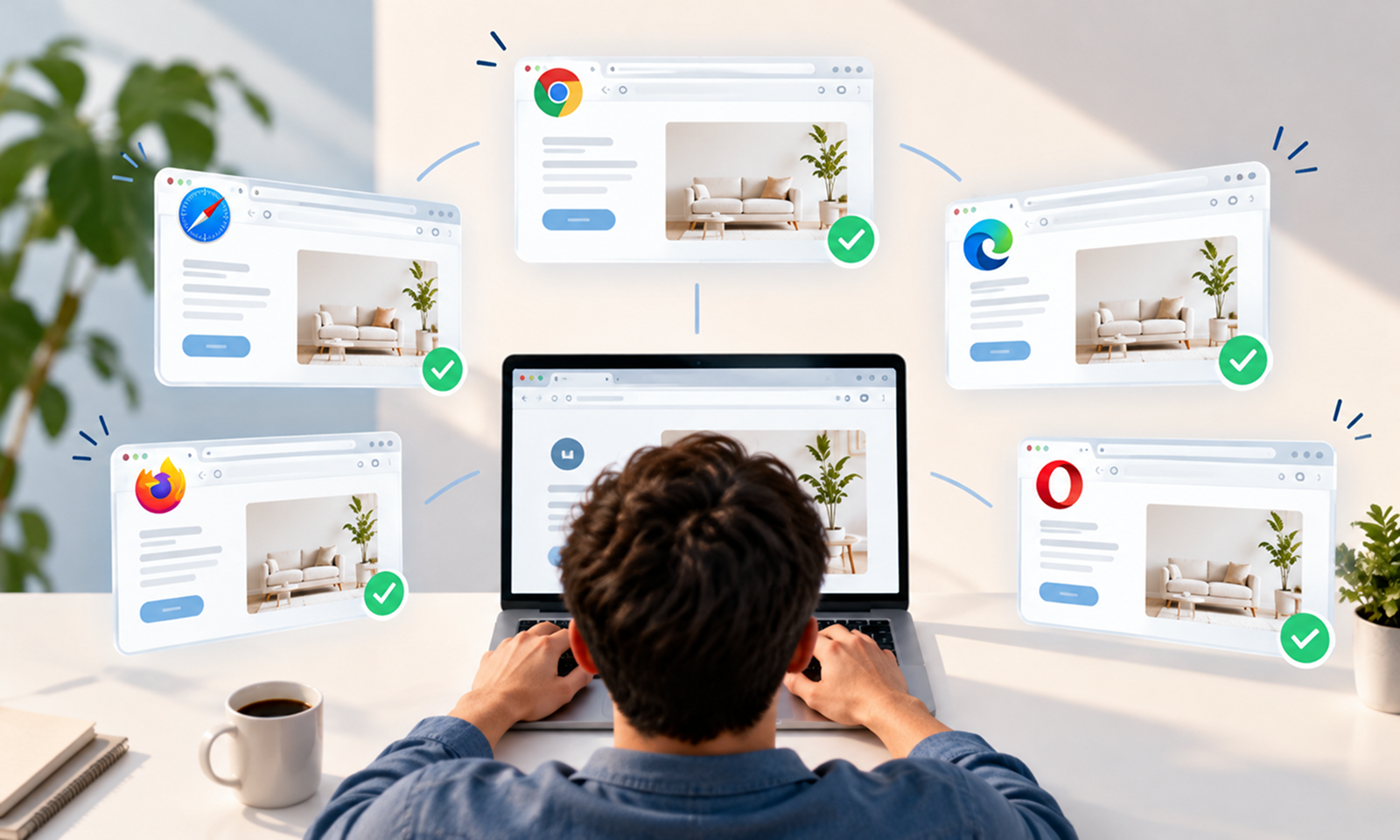
Browser Compatibility Testing: How to Keep Web Apps Working Everywhere
October 23, 2026
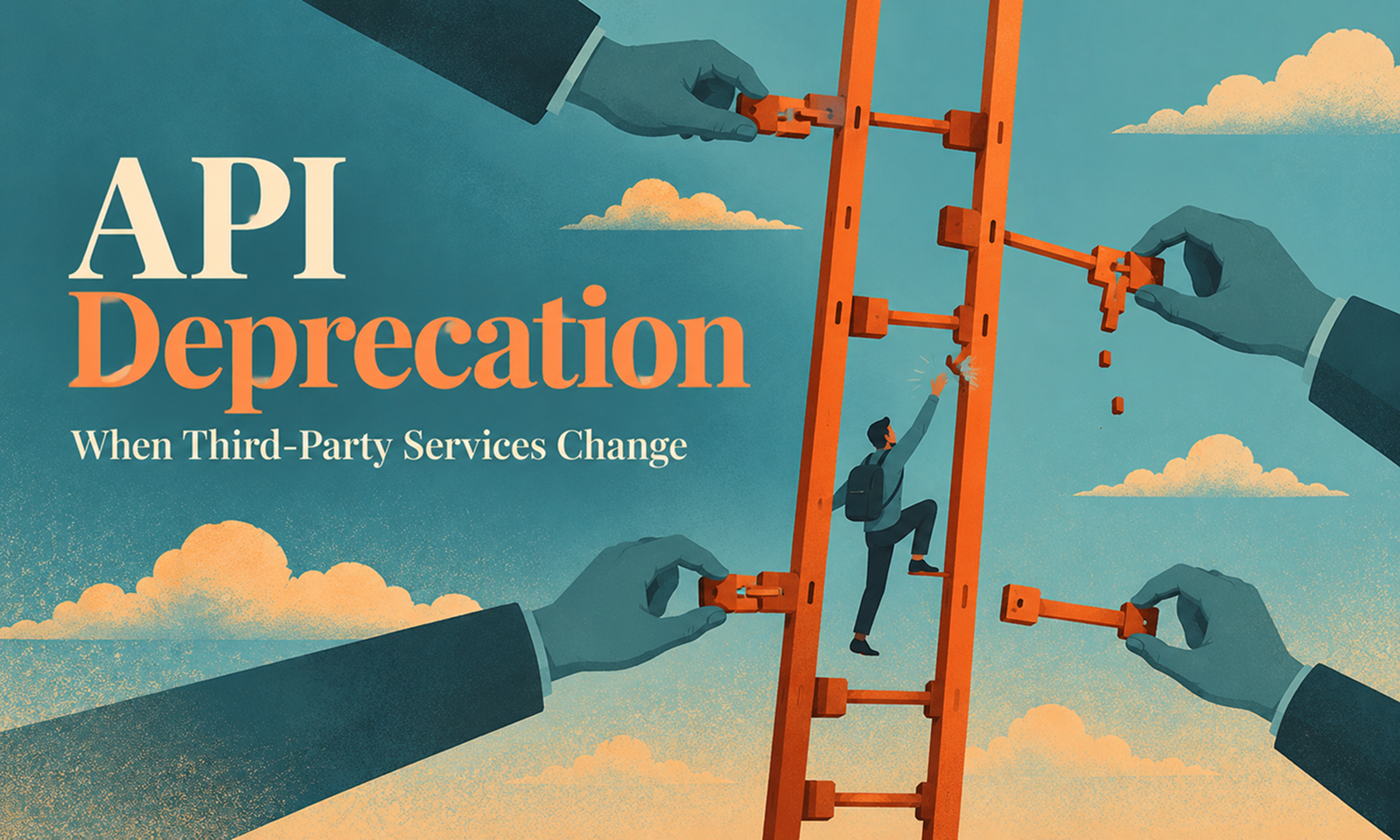
API Deprecation: What Happens When a Third-Party Service Changes?
October 23, 2026
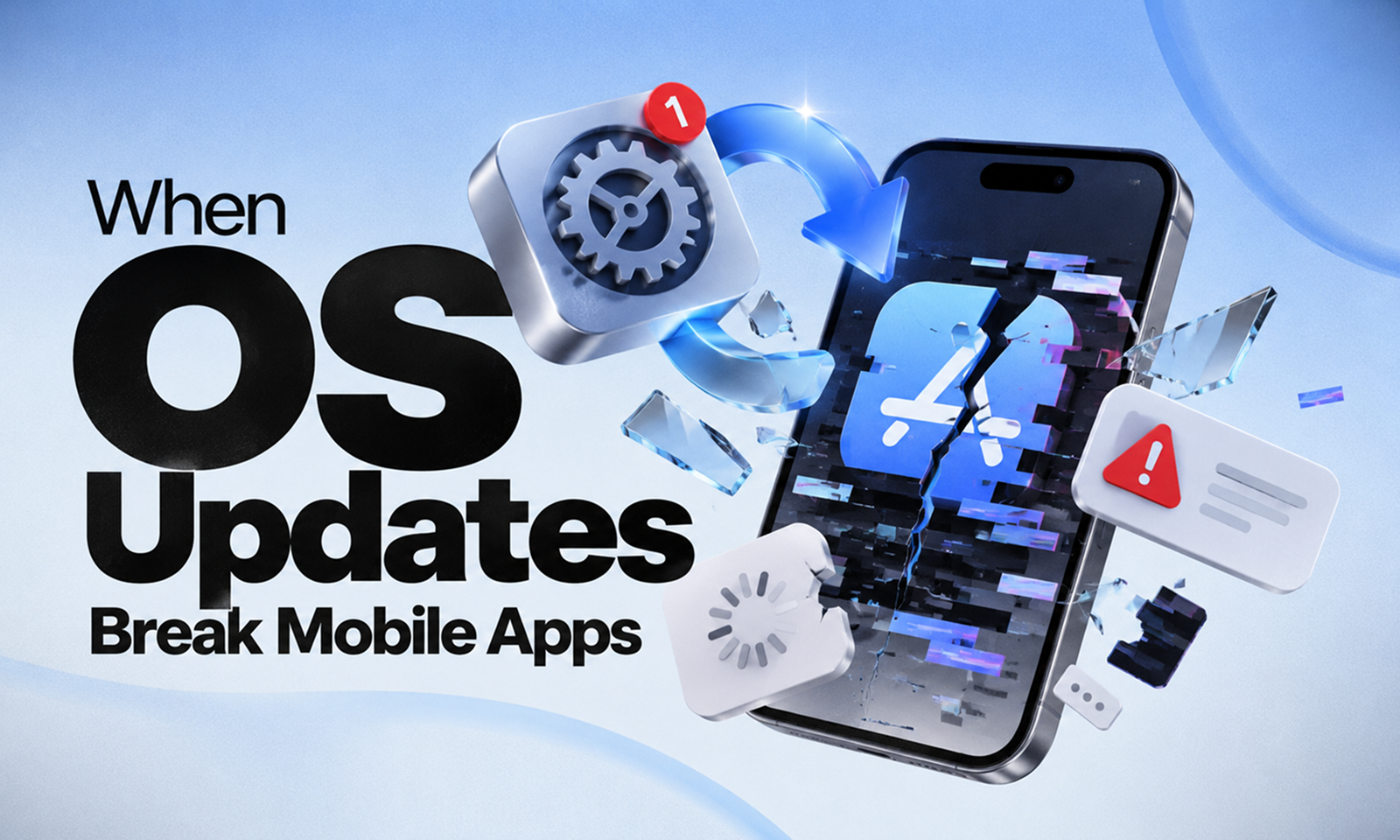
How OS Updates Can Break Your Mobile App
October 23, 2026
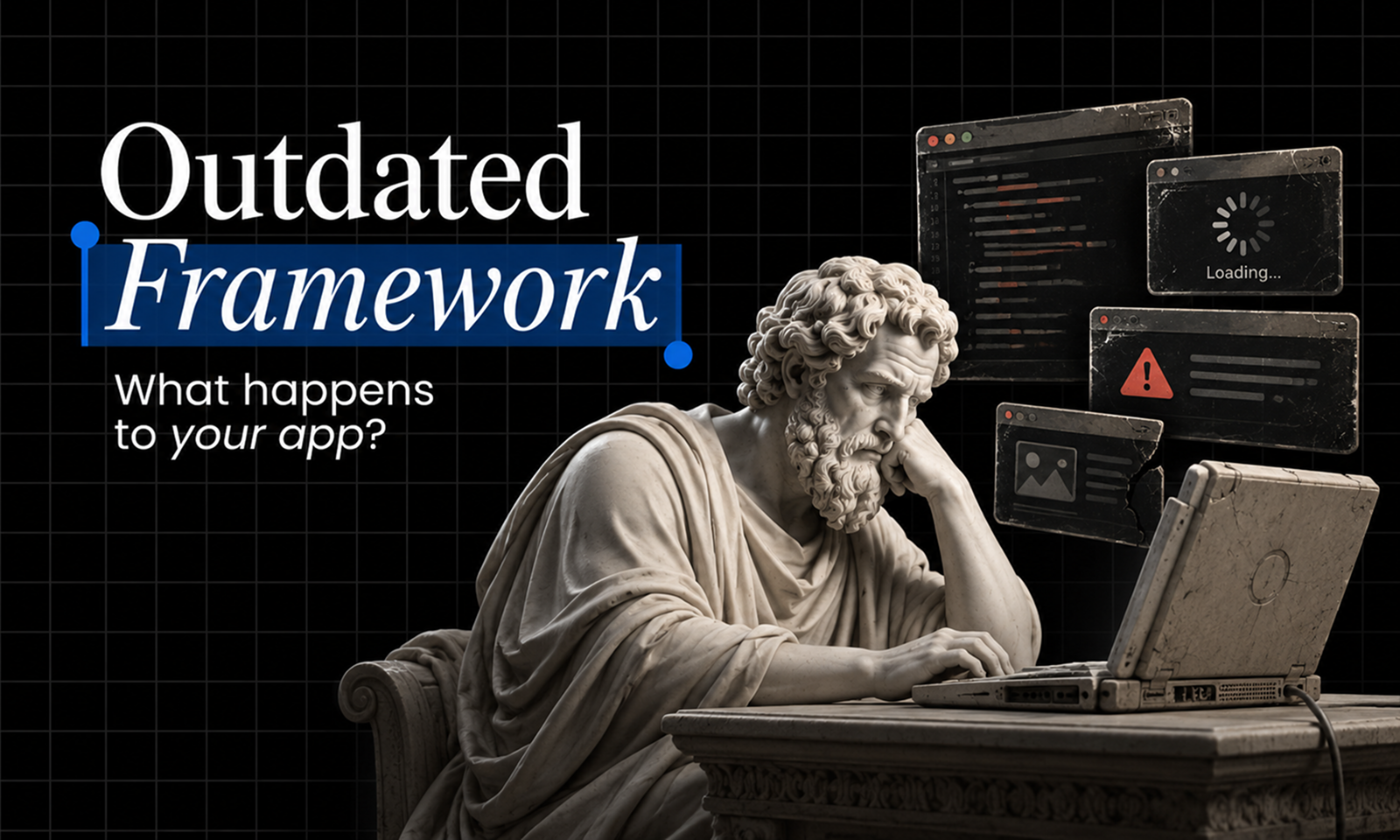
What Happens When Your App Uses an Outdated Framework?
October 23, 2026
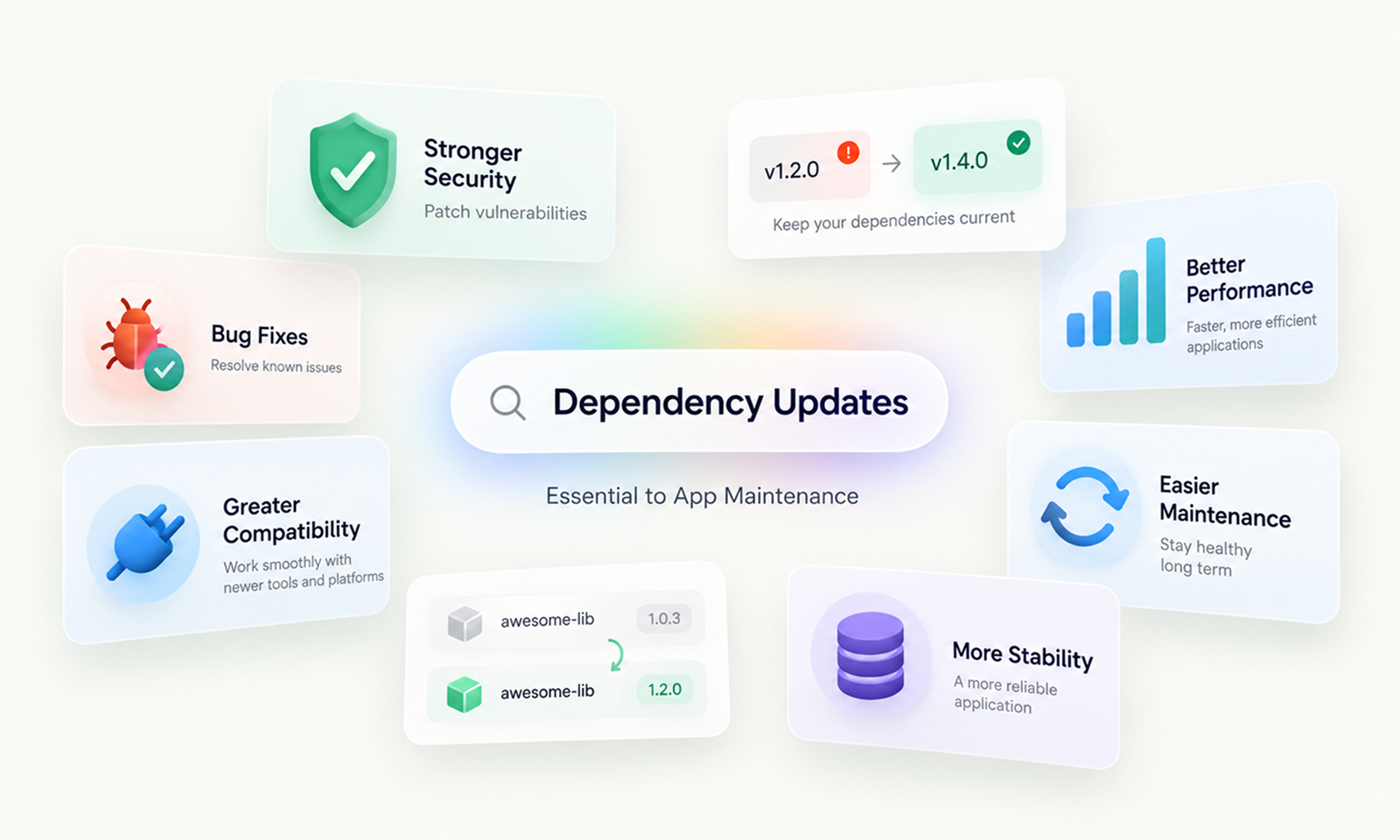
Why Dependency Updates Are Essential to App Maintenance
October 23, 2026
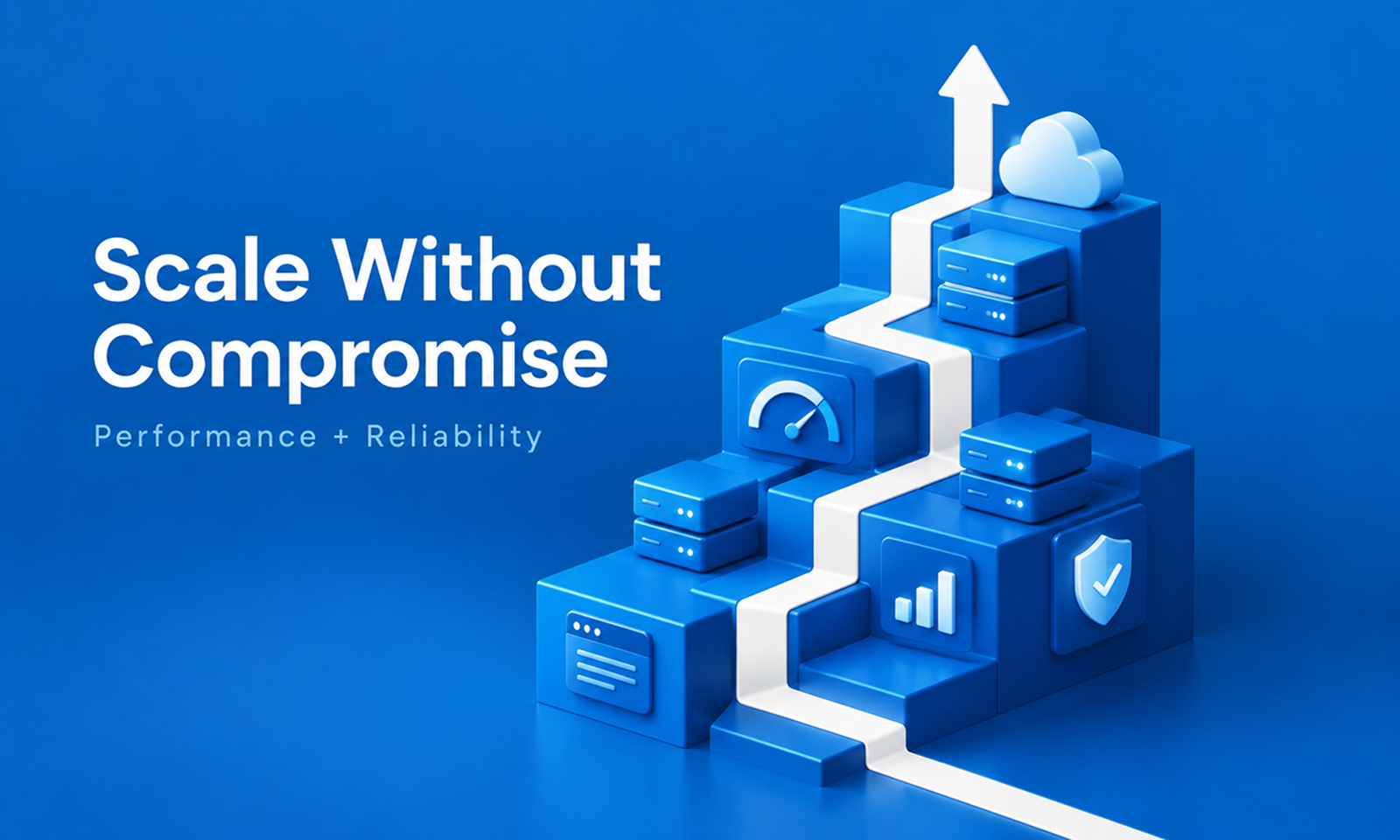
How to Scale an Application Without Sacrificing Performance or Reliability
October 23, 2026
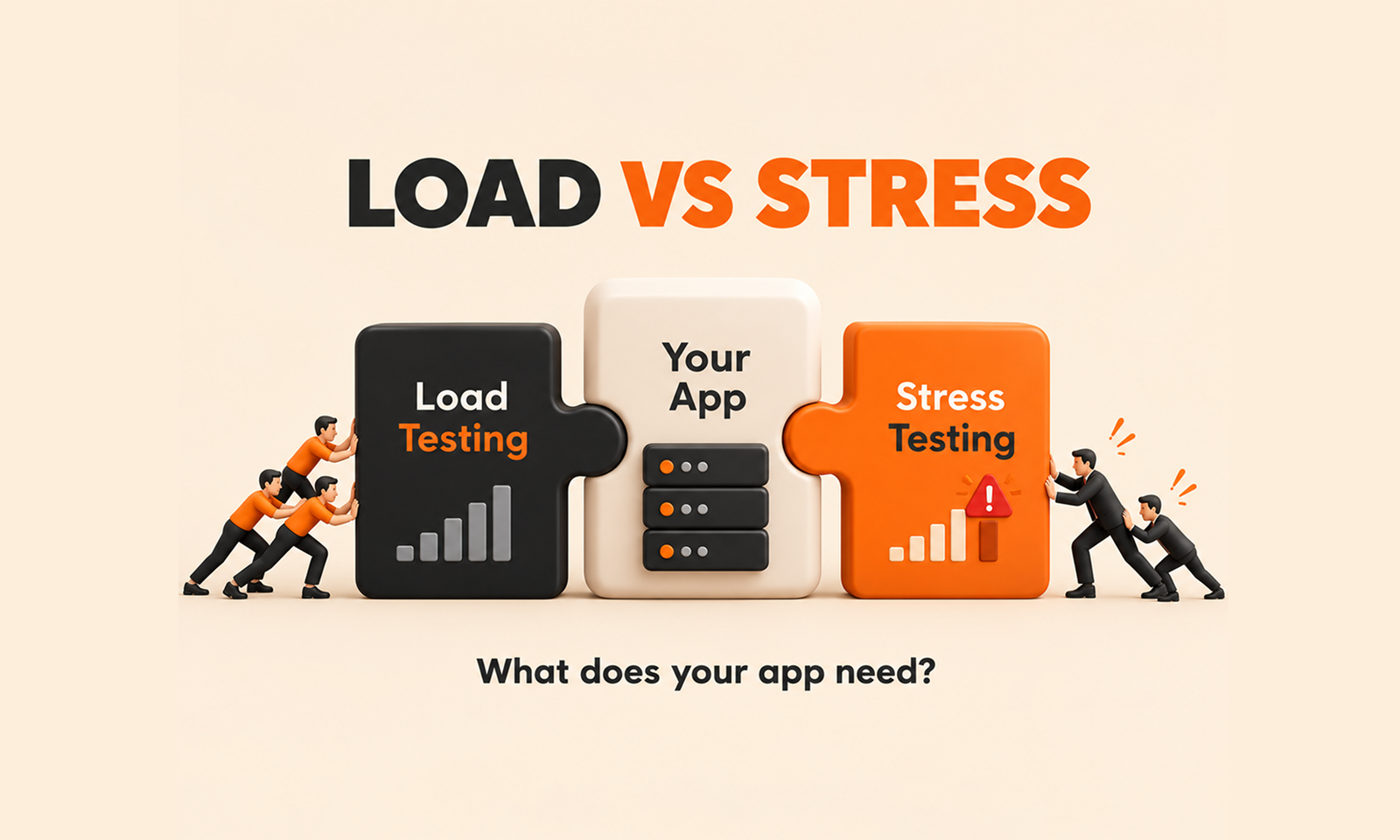
Load Testing vs Stress Testing: What Does Your App Need?
October 23, 2026
How to Know if Your Application Is Ready to Scale
October 23, 2026
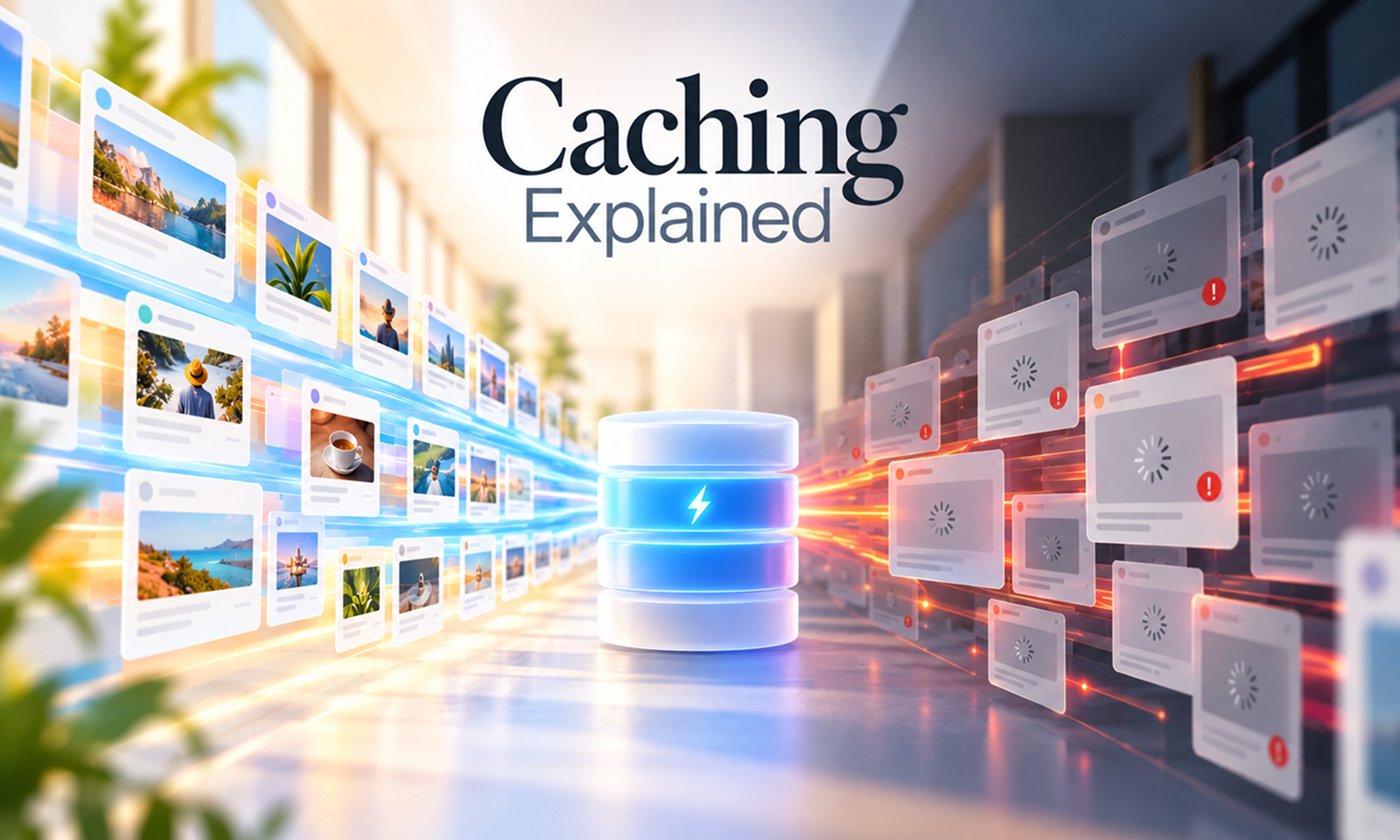
Caching Explained: When It Makes Your App Faster and When It Doesn’t
October 23, 2026
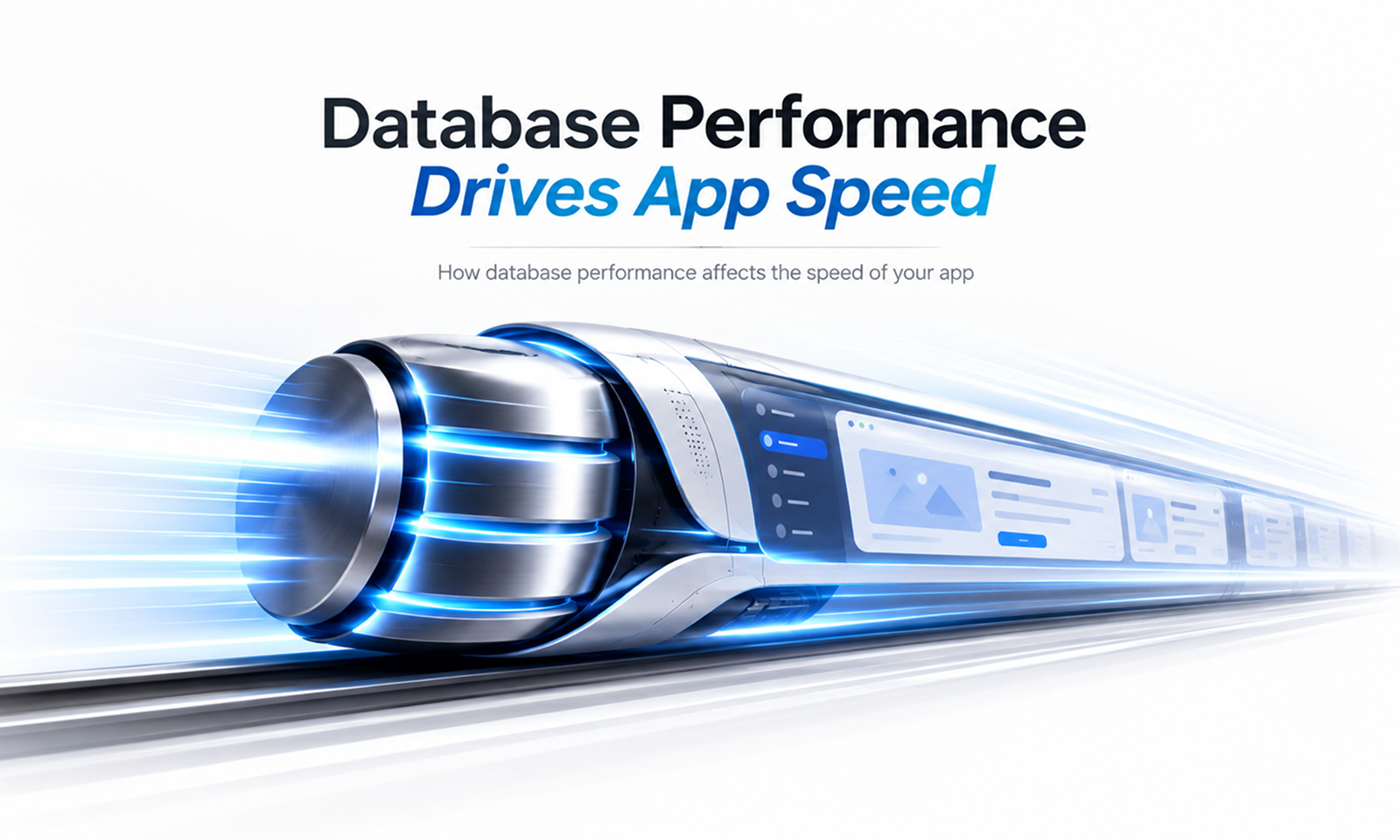
How Database Performance Affects the Speed of Your App
October 23, 2026
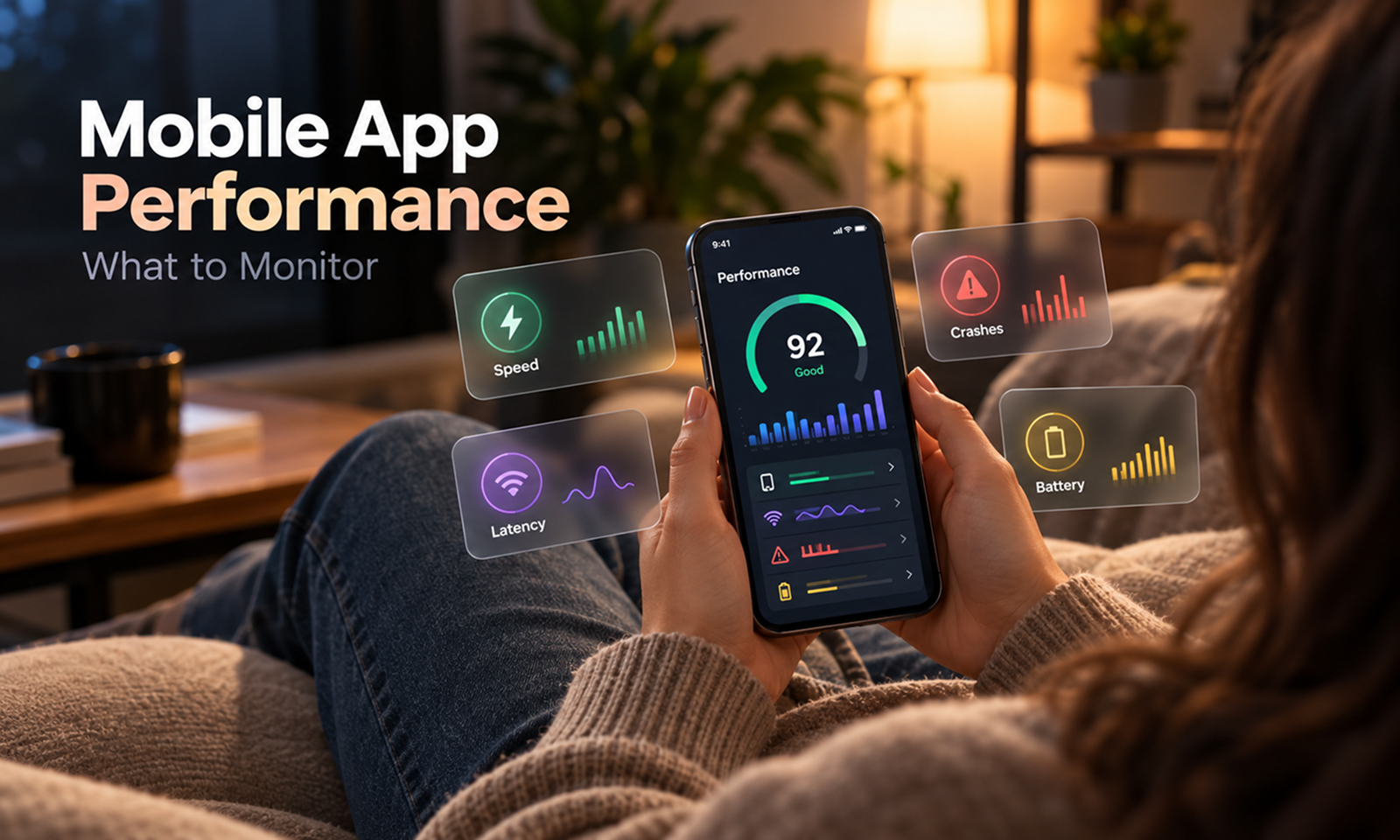
Mobile App Performance Optimization: What Should You Monitor?
October 23, 2026
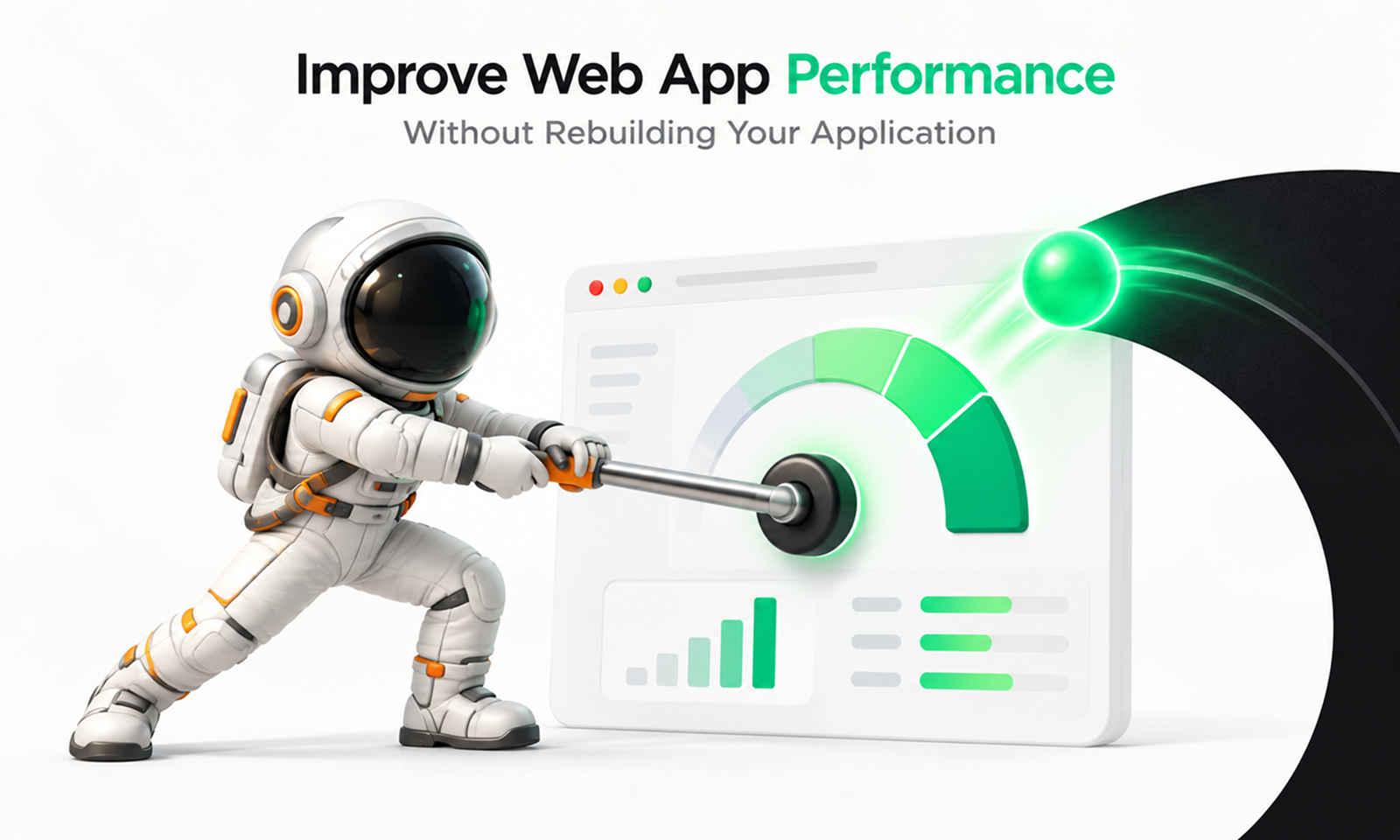
How to Improve Web App Performance Without Rebuilding Your Application
October 23, 2026
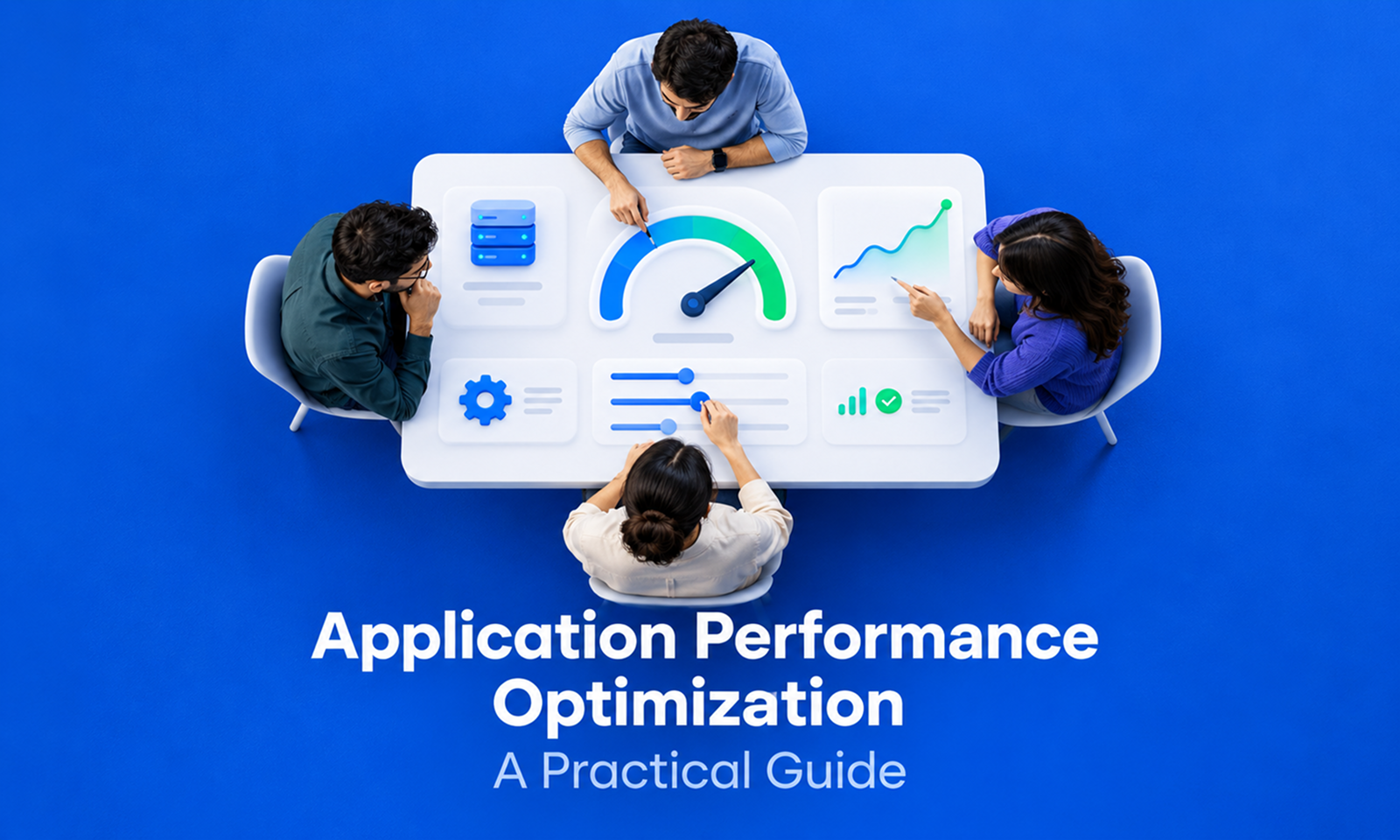
Application Performance Optimization: A Practical Guide
October 23, 2026
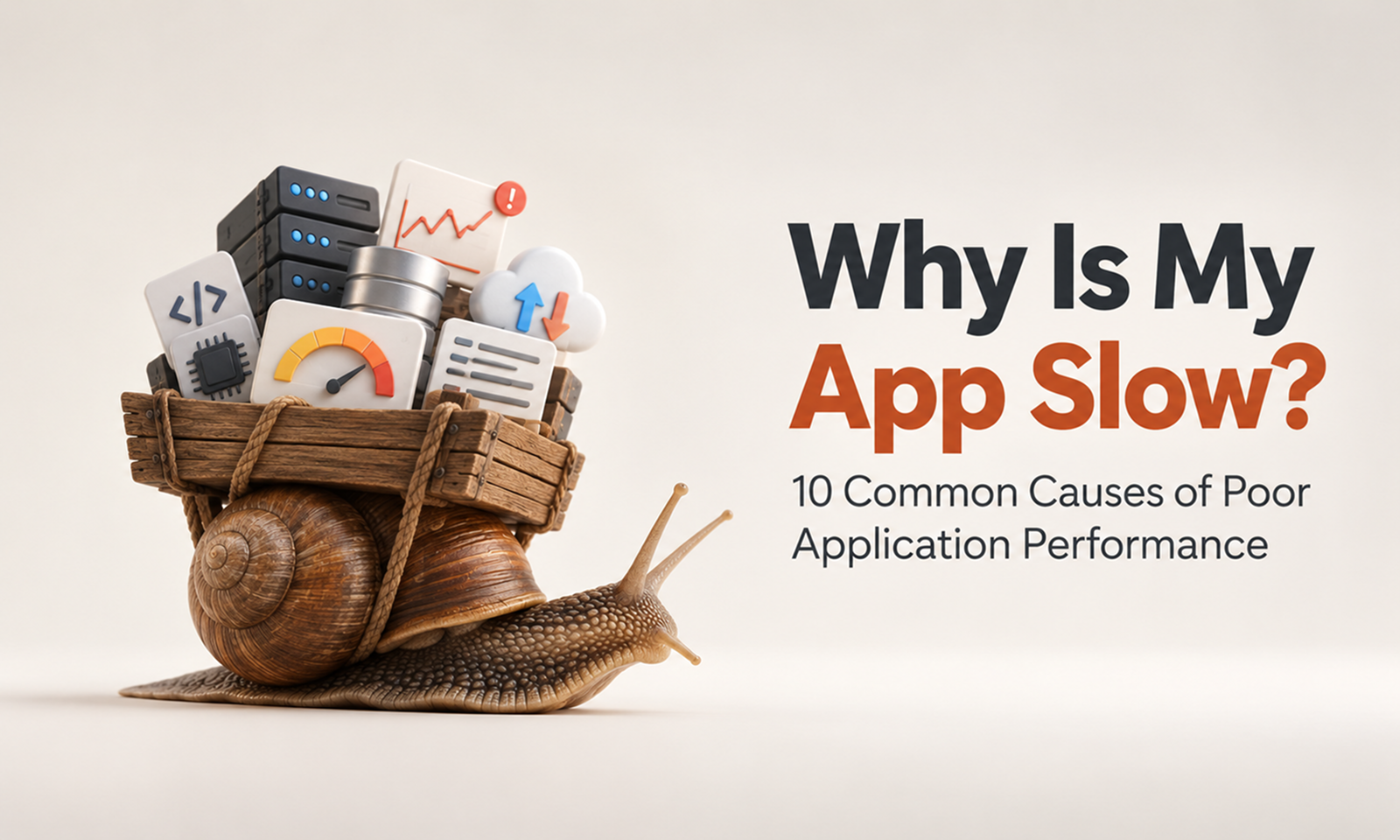
Why Is My App Slow? 10 Common Causes of Poor Application Performance
October 23, 2026
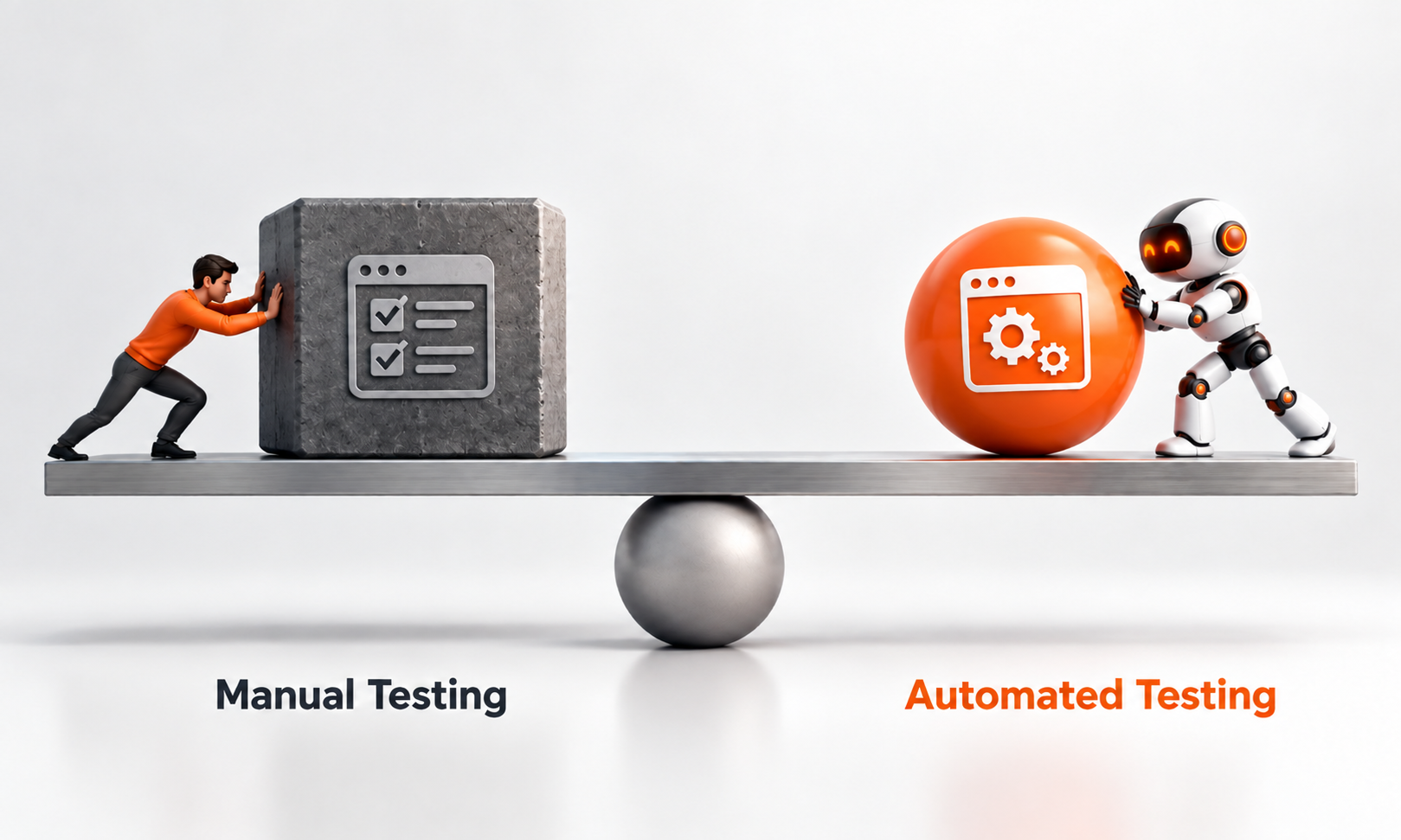
Automated vs Manual Testing for Application Maintenance
October 23, 2026
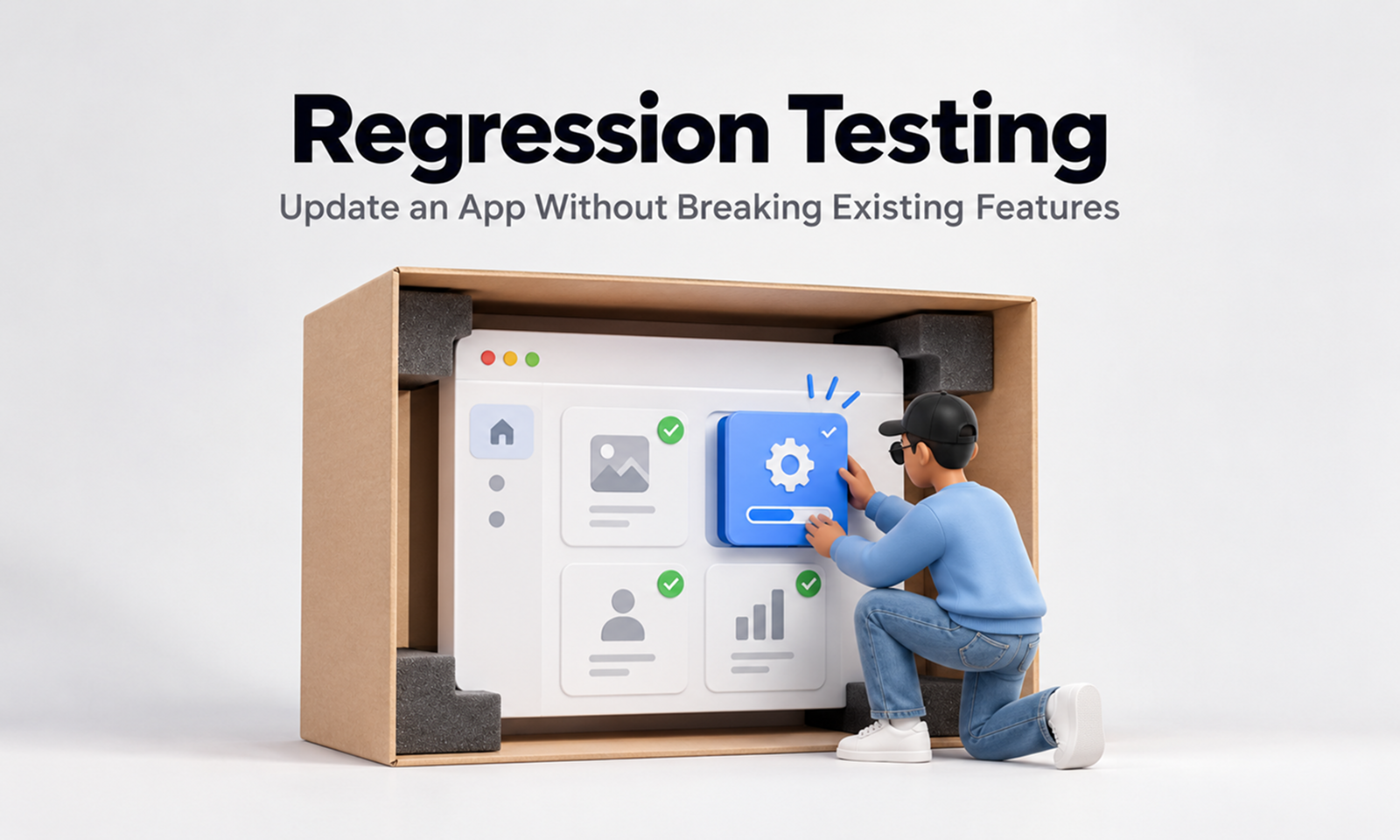
Regression Testing: How to Update an App Without Breaking Existing Features
October 23, 2026
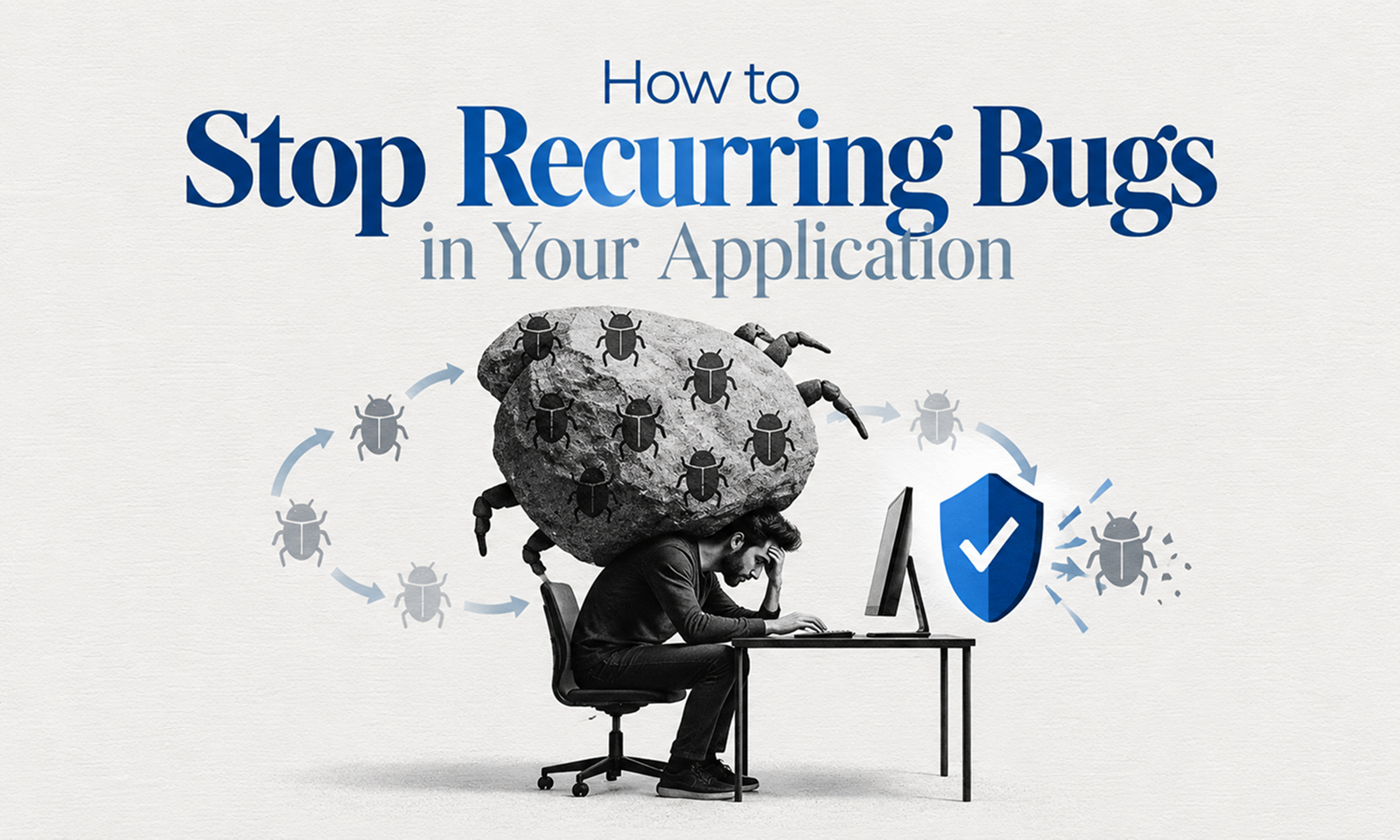
Why the Same Bugs Keep Coming Back and How to Stop Them
October 23, 2026
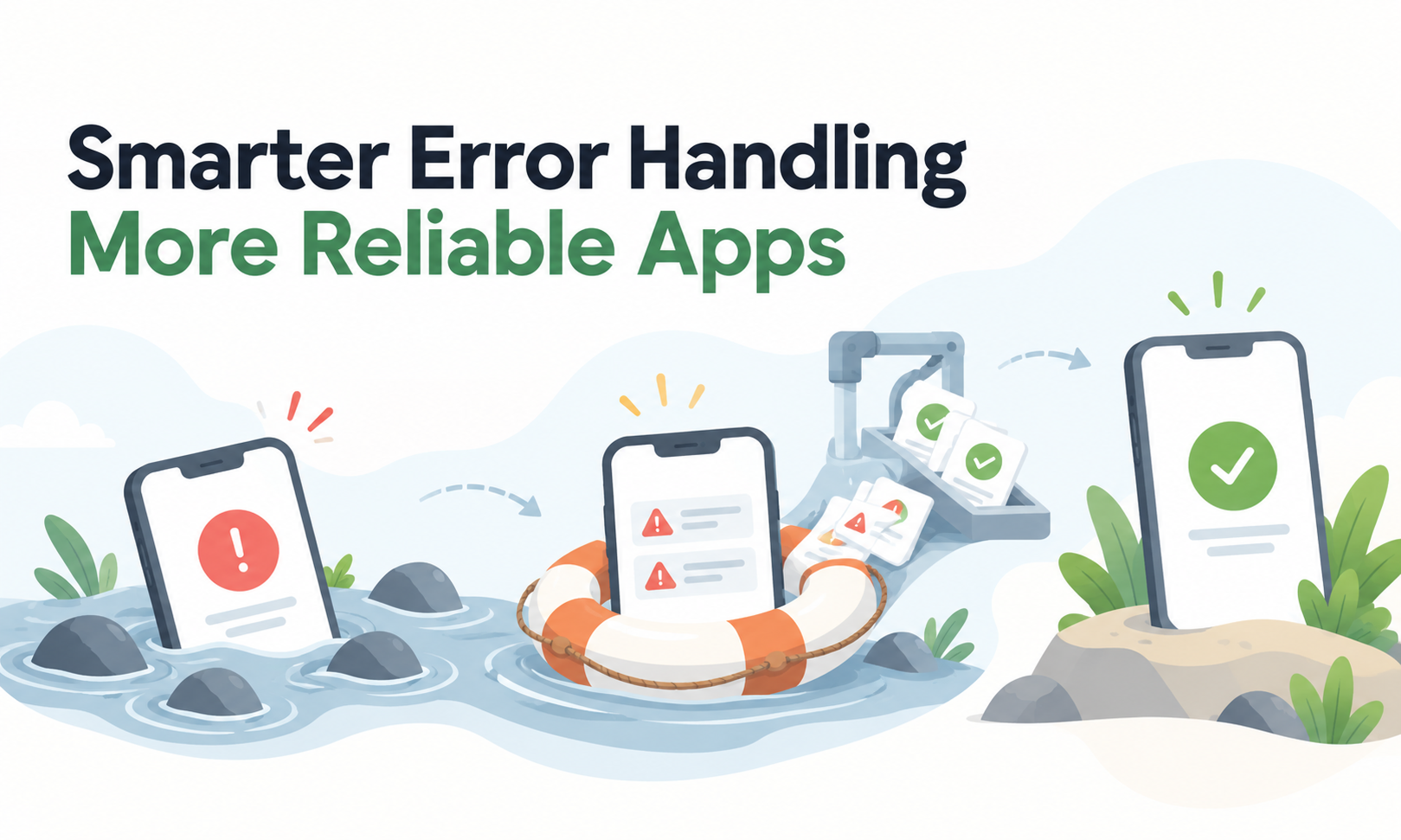
Error Handling Best Practices for Reliable Applications
October 23, 2026
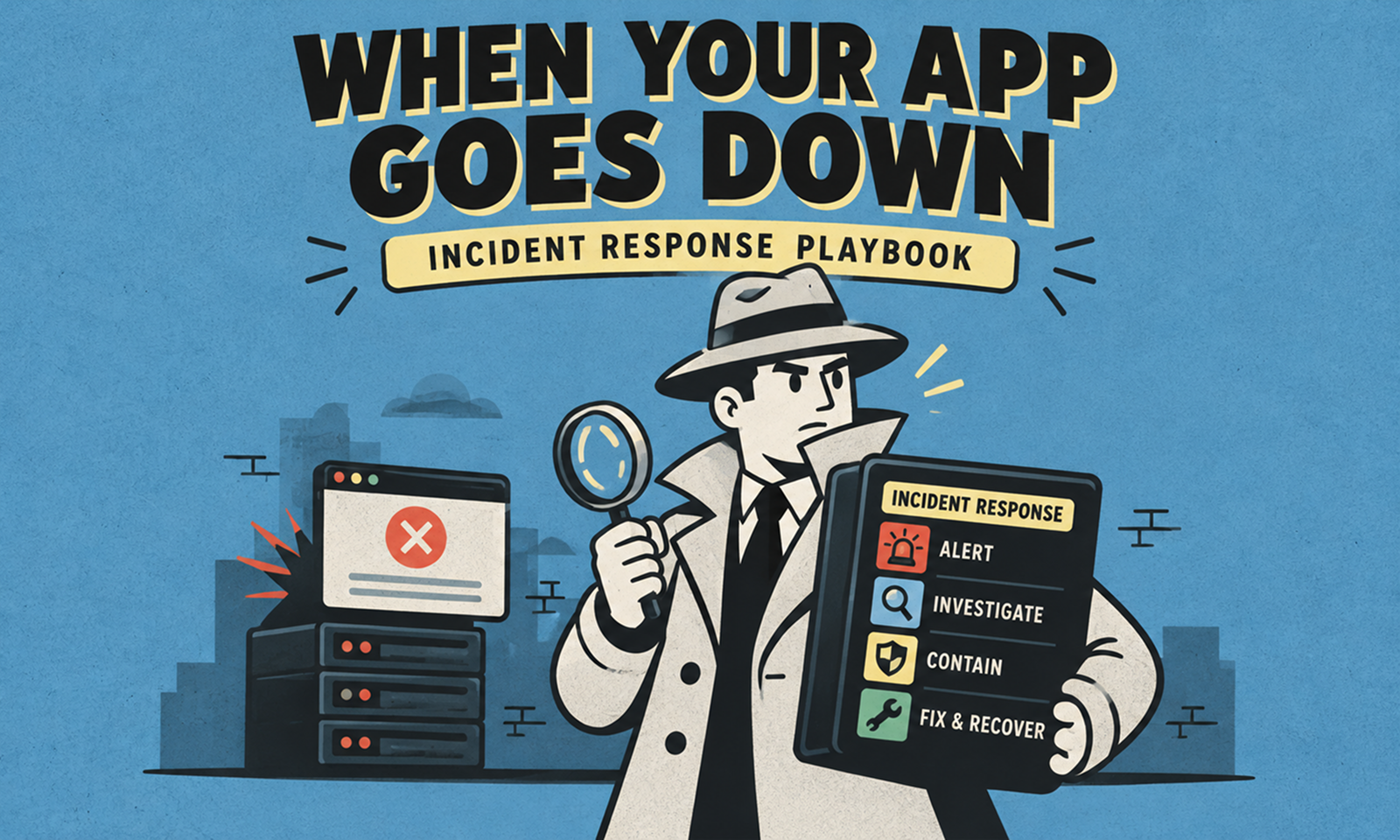
Application Incident Response: What Should Happen When Your App Goes Down?
October 23, 2026
What Is Graceful Degradation and Why Does It Matter?
October 23, 2026
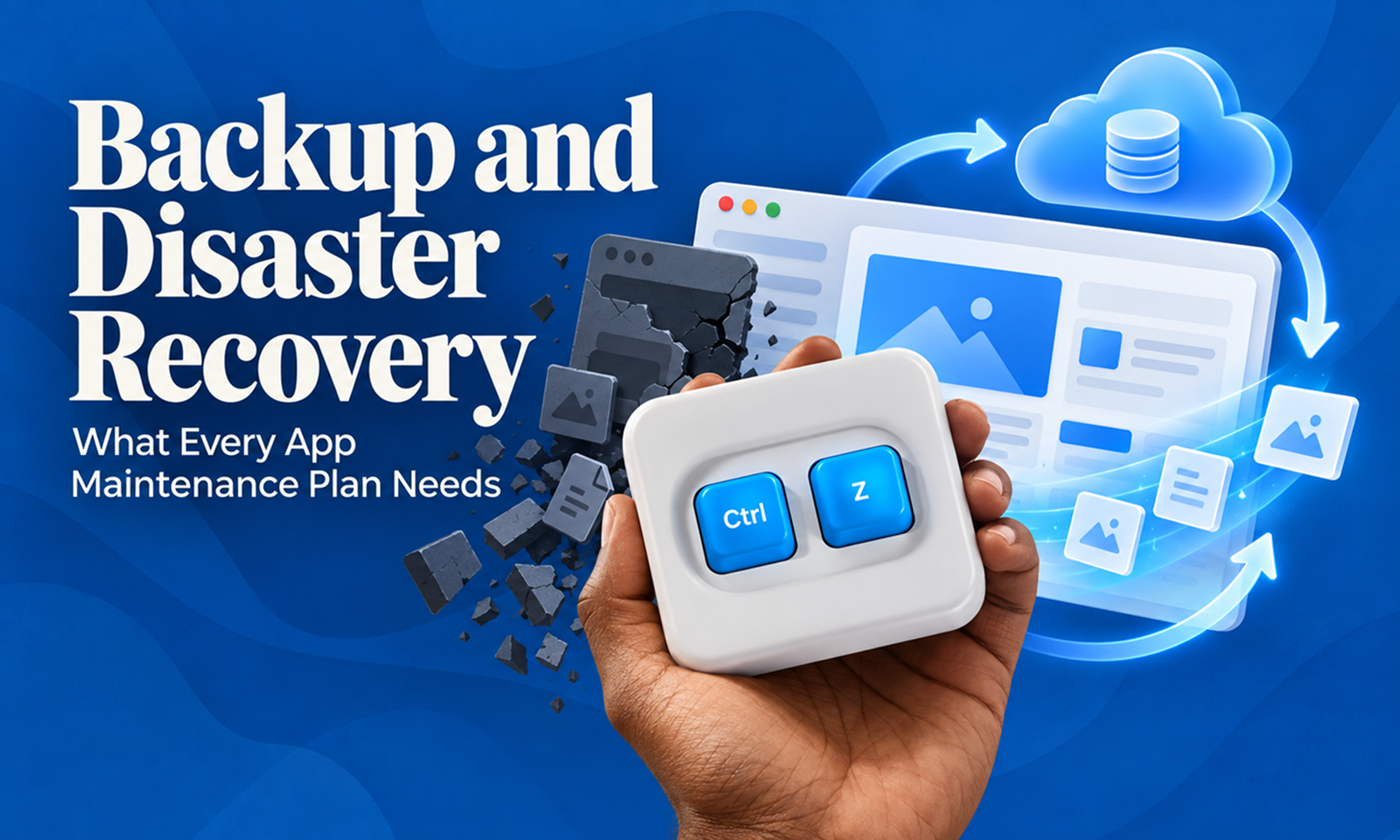
Backup and Disaster Recovery: What Every App Maintenance Plan Needs
October 23, 2026
How to Design an App That Recovers Gracefully From Failure
October 23, 2026
Fault Tolerance Explained: How Apps Keep Working When Something Fails
October 23, 2026
What Makes an Application Resilient?
October 23, 2026
Security, Privacy and Compliance: The App Maintenance Checklist
October 23, 2026
How App Maintenance Helps Prevent Data Breaches
October 23, 2026
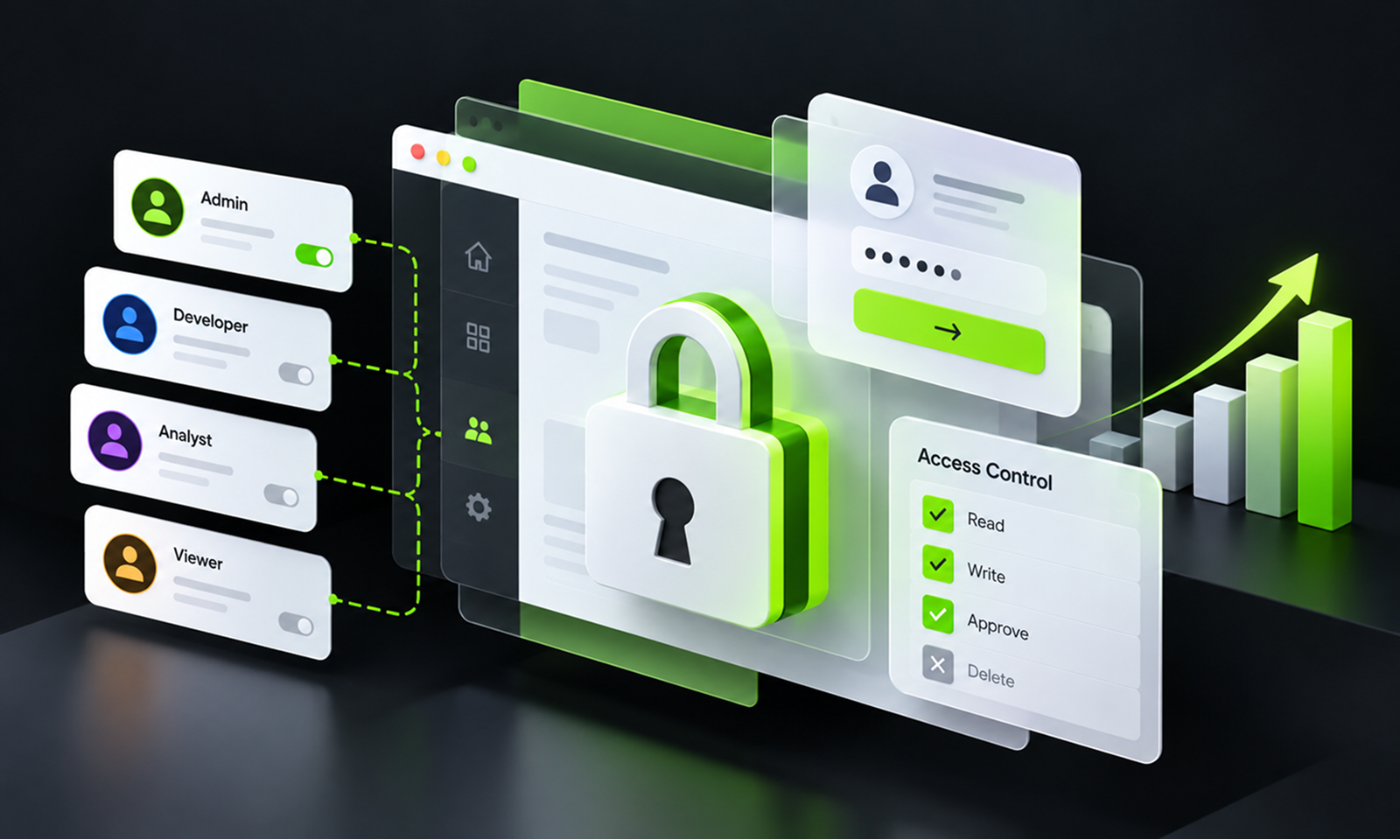
How to Maintain Authentication and Access Control in a Growing App
October 23, 2026
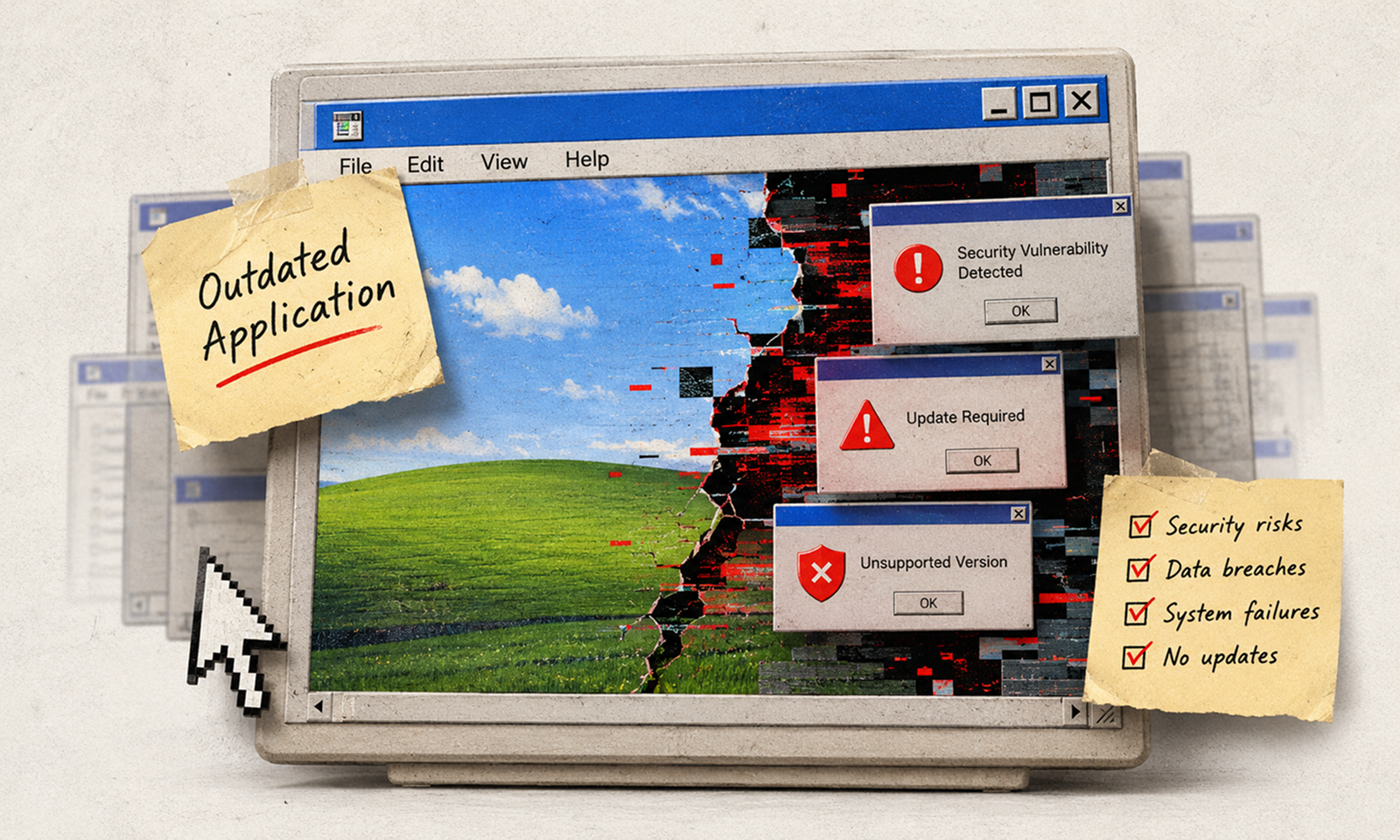
The Security Risks of Running an Outdated Application
October 23, 2026
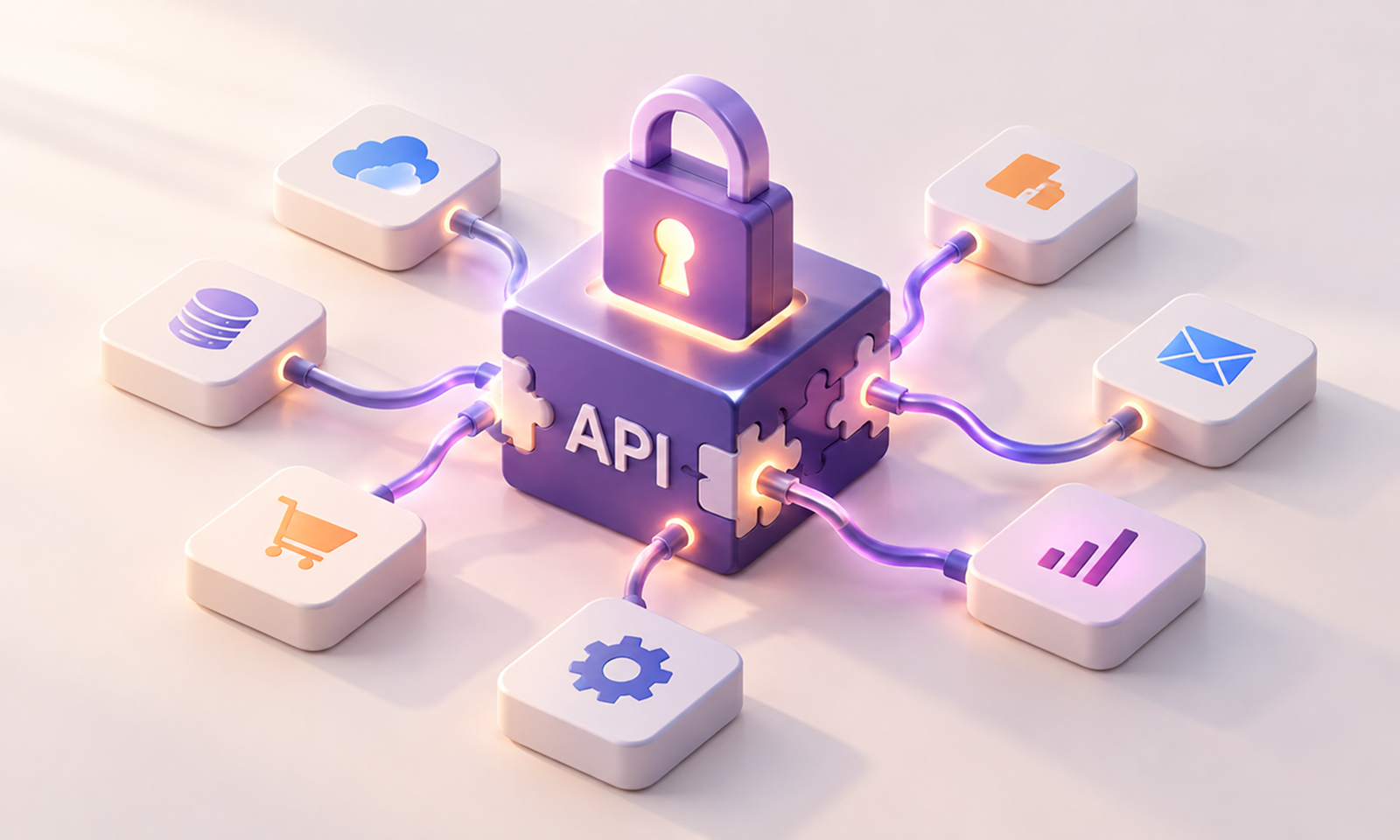
API Security Maintenance: How to Keep Integrations Secure Over Time
October 23, 2026
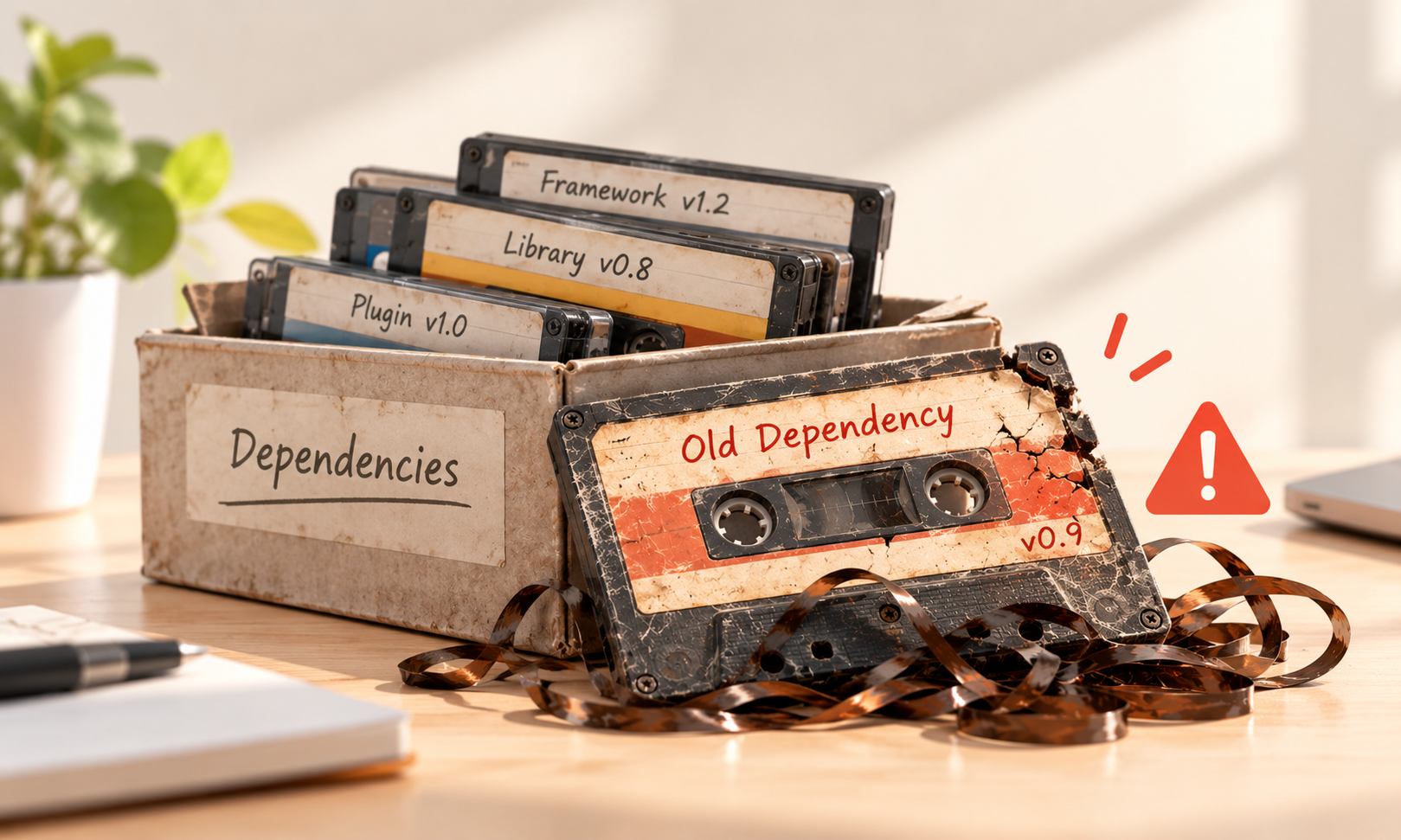
How Outdated Dependencies Create Security Risks in Your App
October 23, 2026
Why Security Patching Should Be Part of Every App Maintenance Plan
October 23, 2026
Application Security Maintenance: What Needs to Happen After Launch?
October 23, 2026
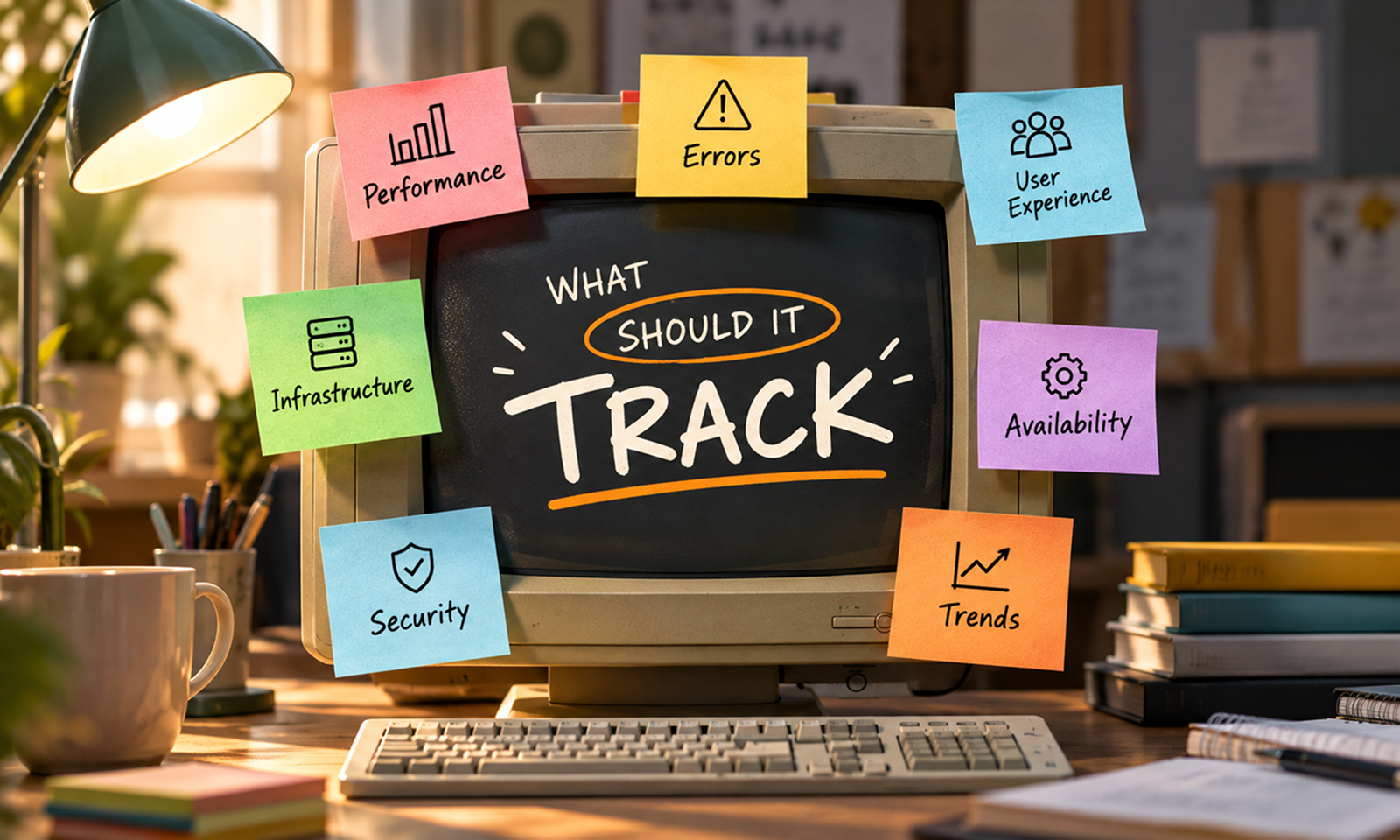
What Should an Application Monitoring Dashboard Track?
October 22, 2026
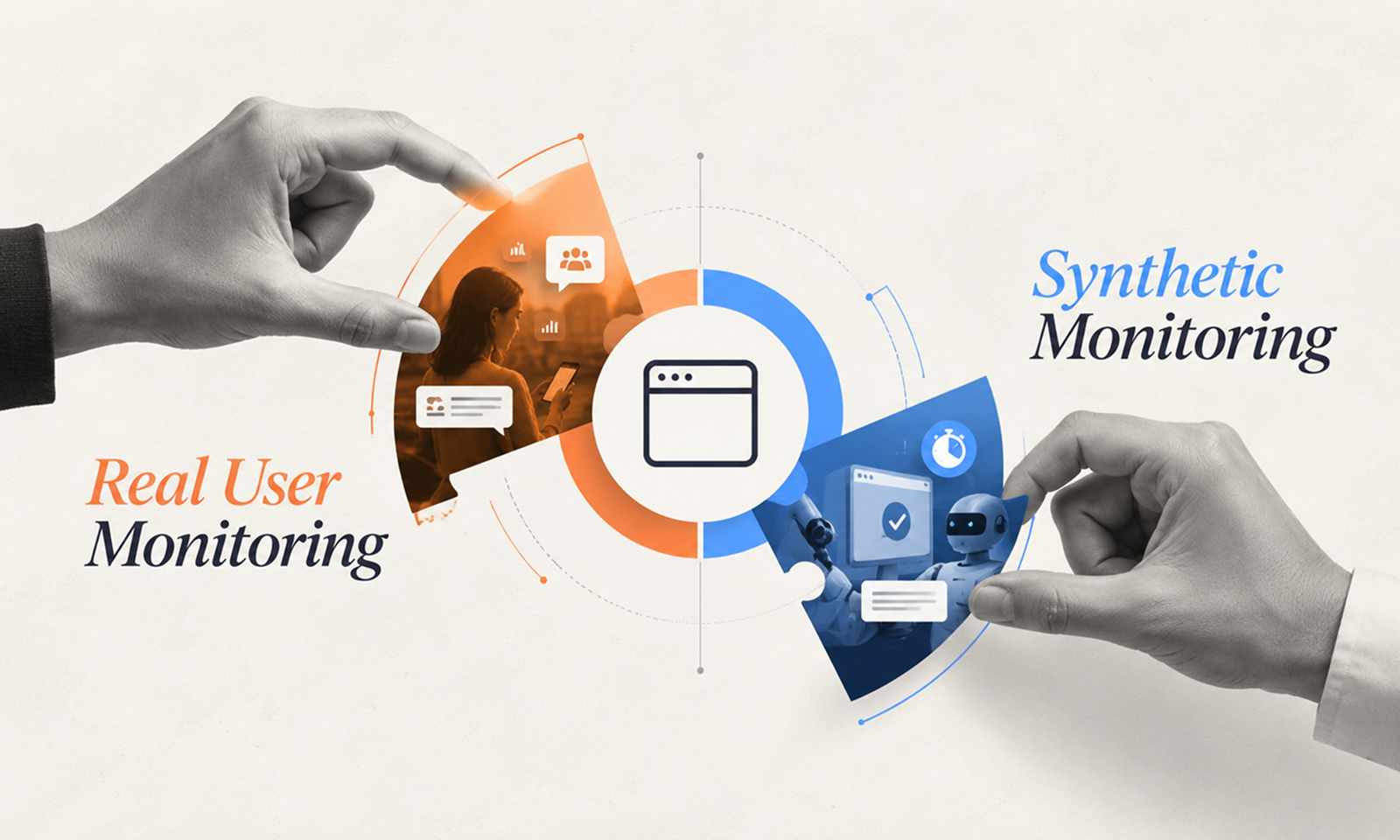
Real User Monitoring vs Synthetic Monitoring: Which Does Your App Need?
October 22, 2026
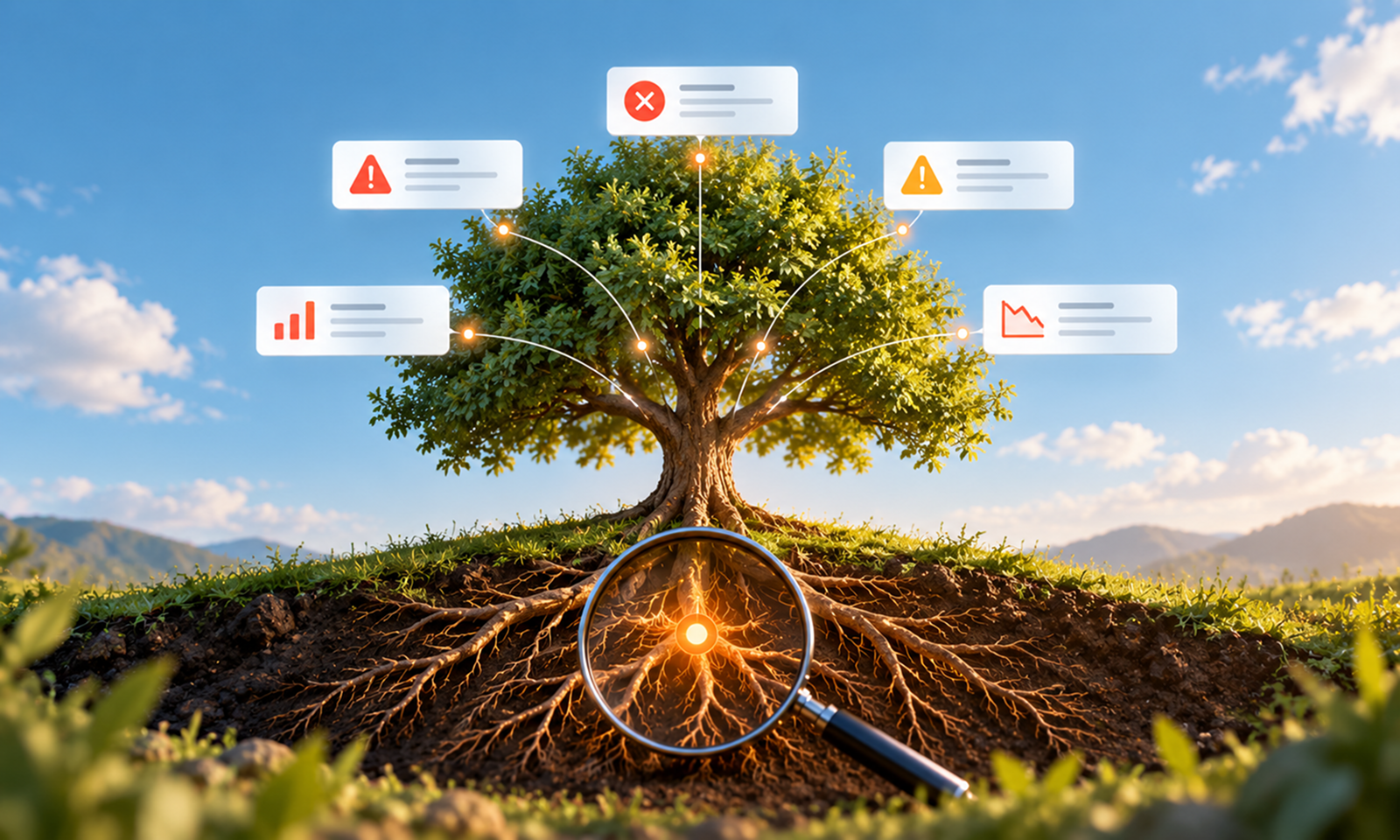
How to Find the Root Cause of Application Errors Faster
October 22, 2026
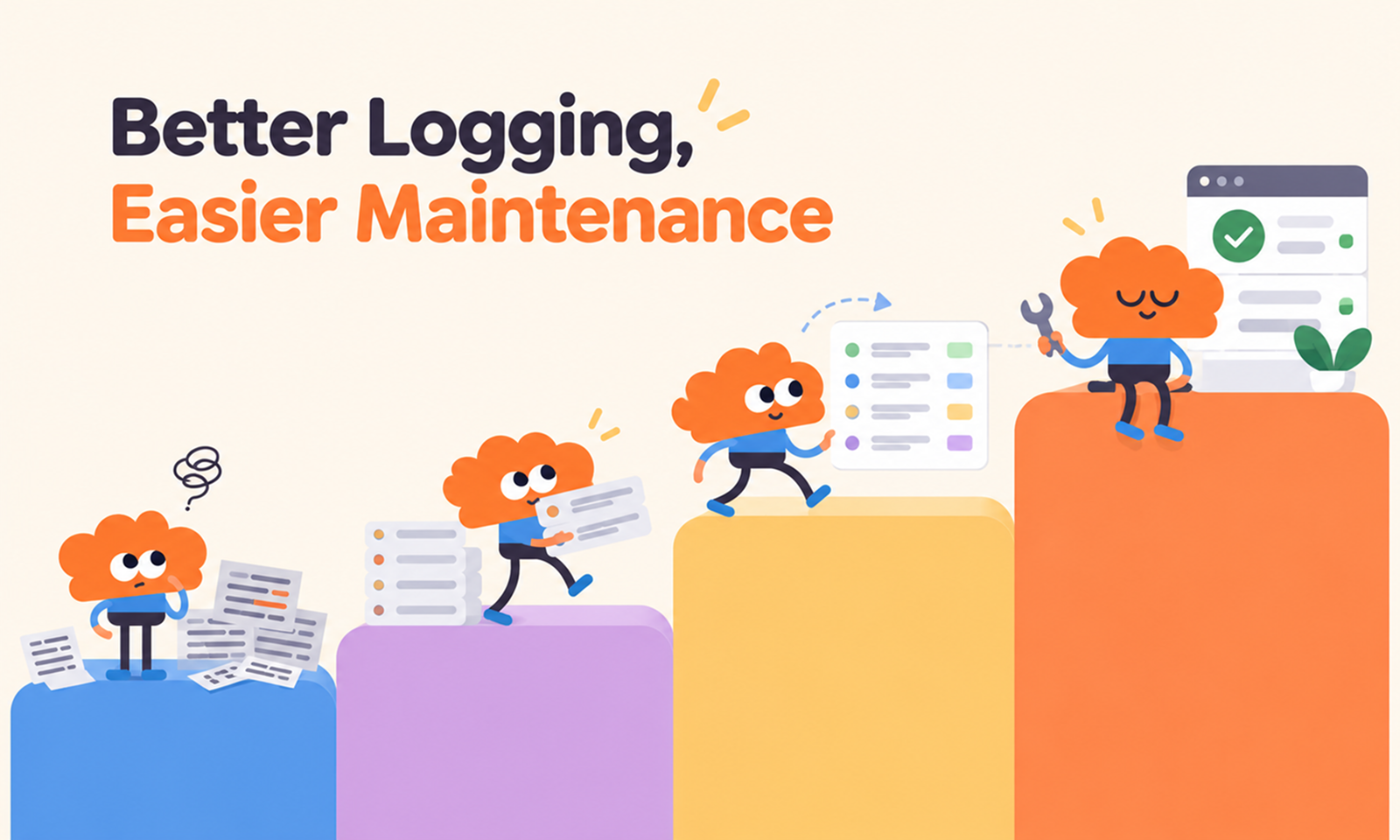
How Better Logging Makes Apps Easier to Maintain
October 22, 2026
How to Build an Effective Application Alerting Strategy
October 6, 2026
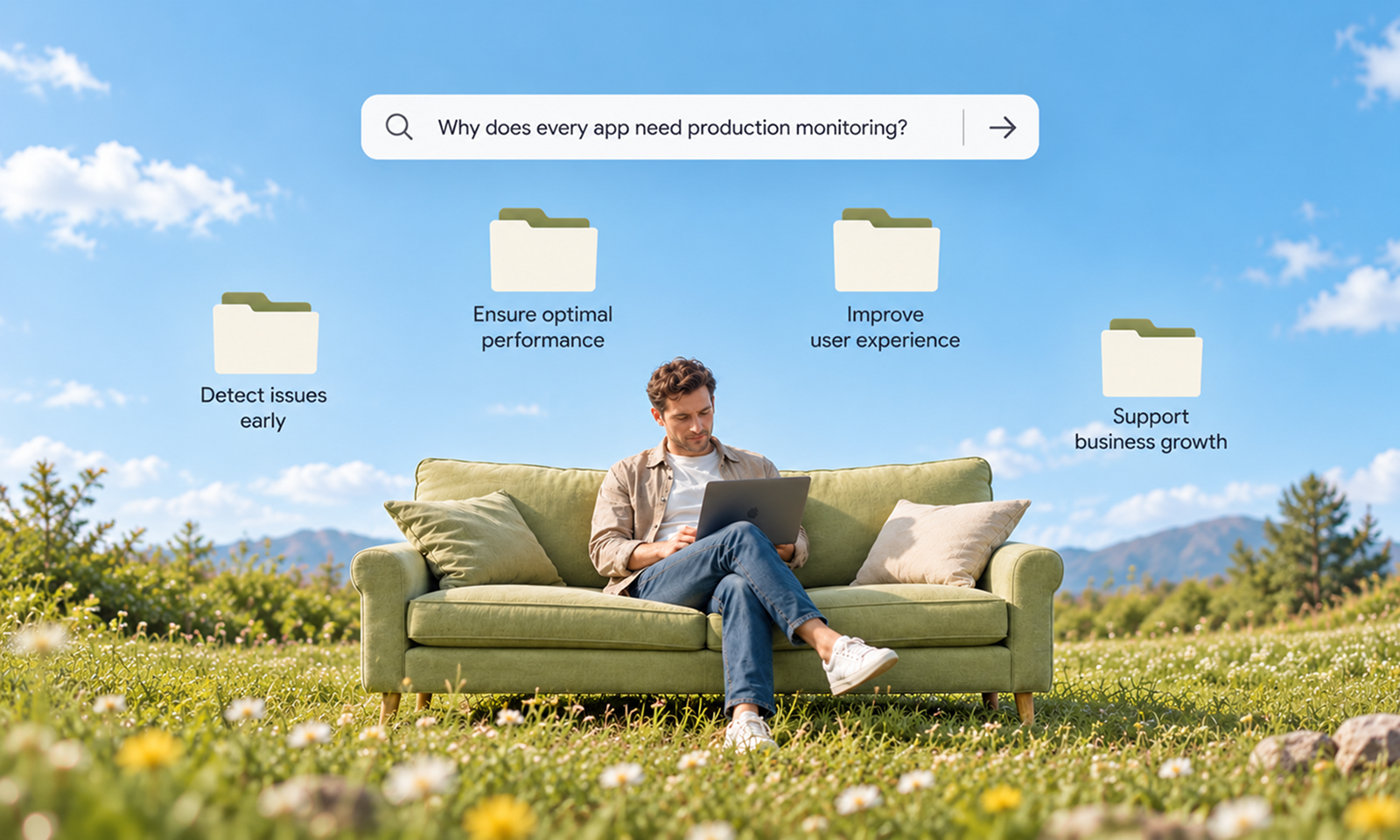
The Business Cost of Skipping Production Monitoring
October 6, 2026
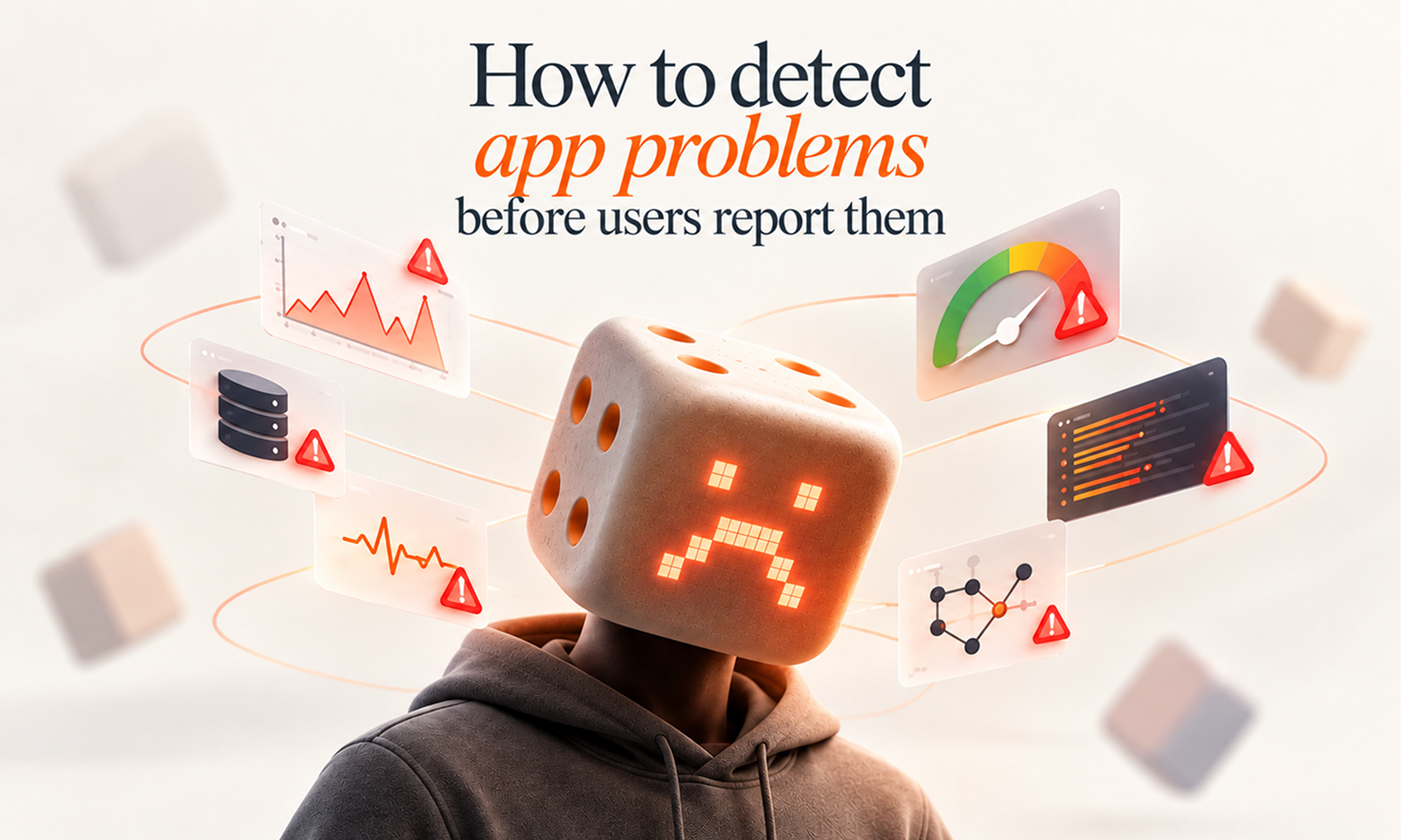
How to Detect App Problems Before Your Users Report Them
October 6, 2026
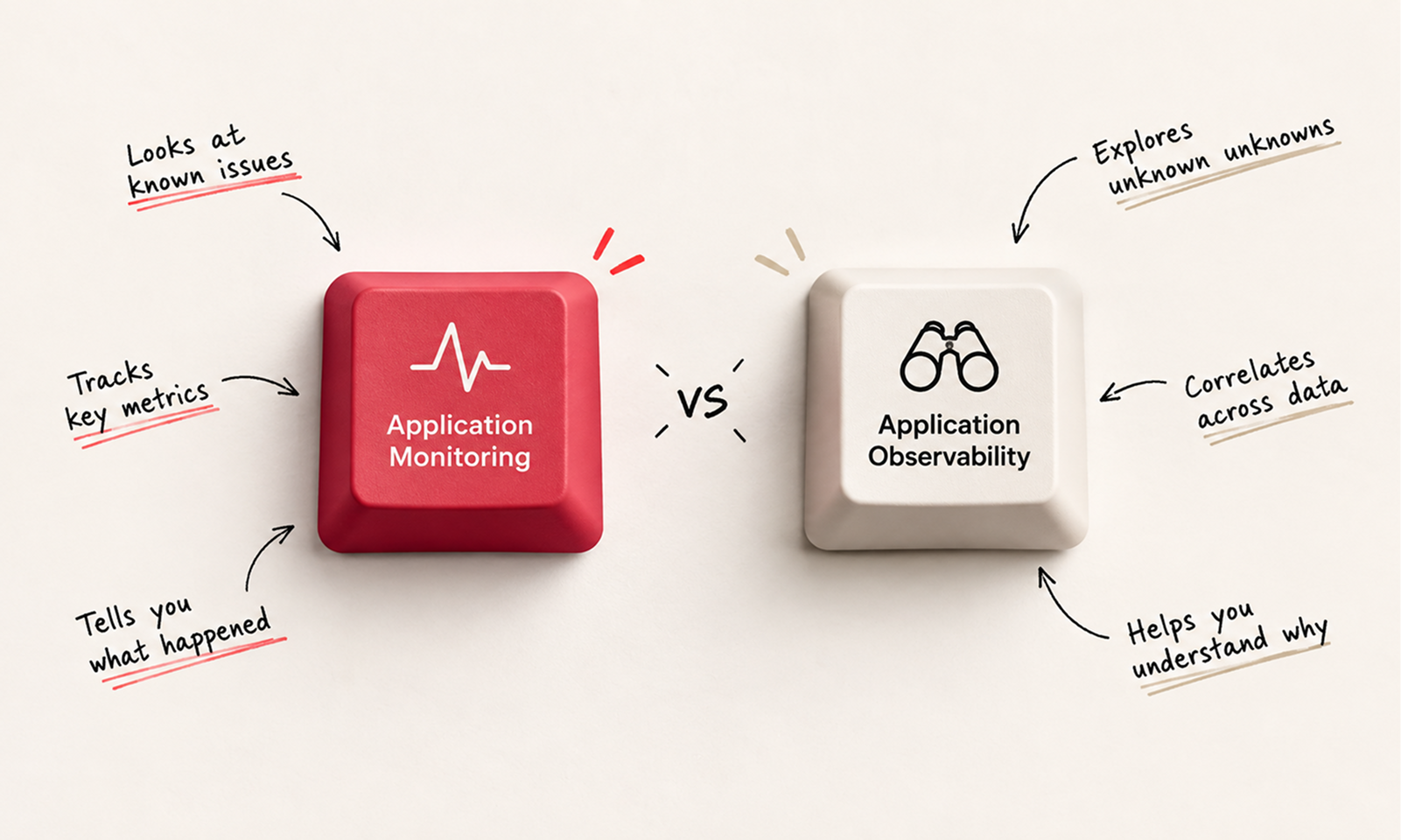
Application Monitoring vs Observability: What’s the Difference?
October 6, 2026
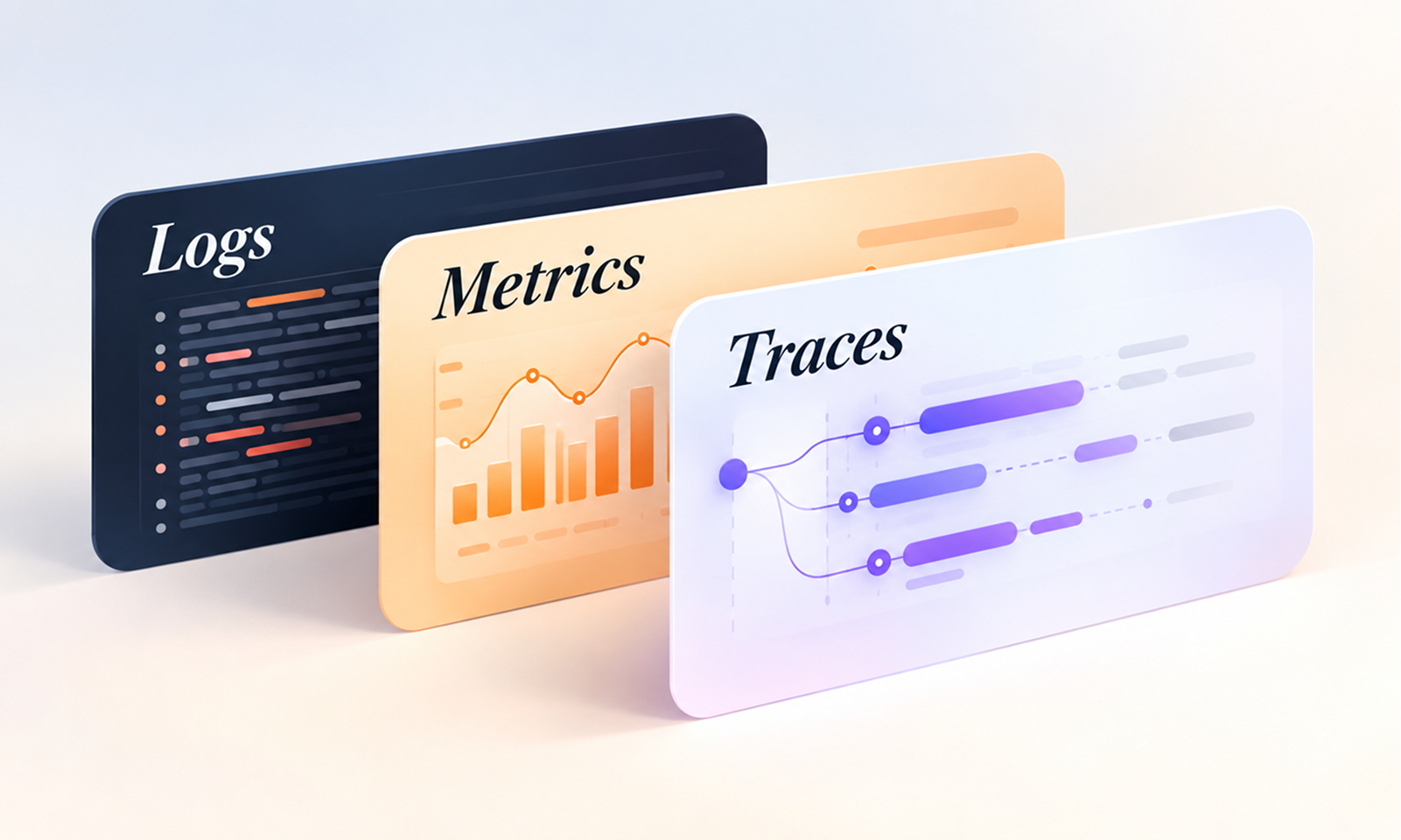
Logs, Metrics and Traces: The Foundations of Application Observability
October 6, 2026
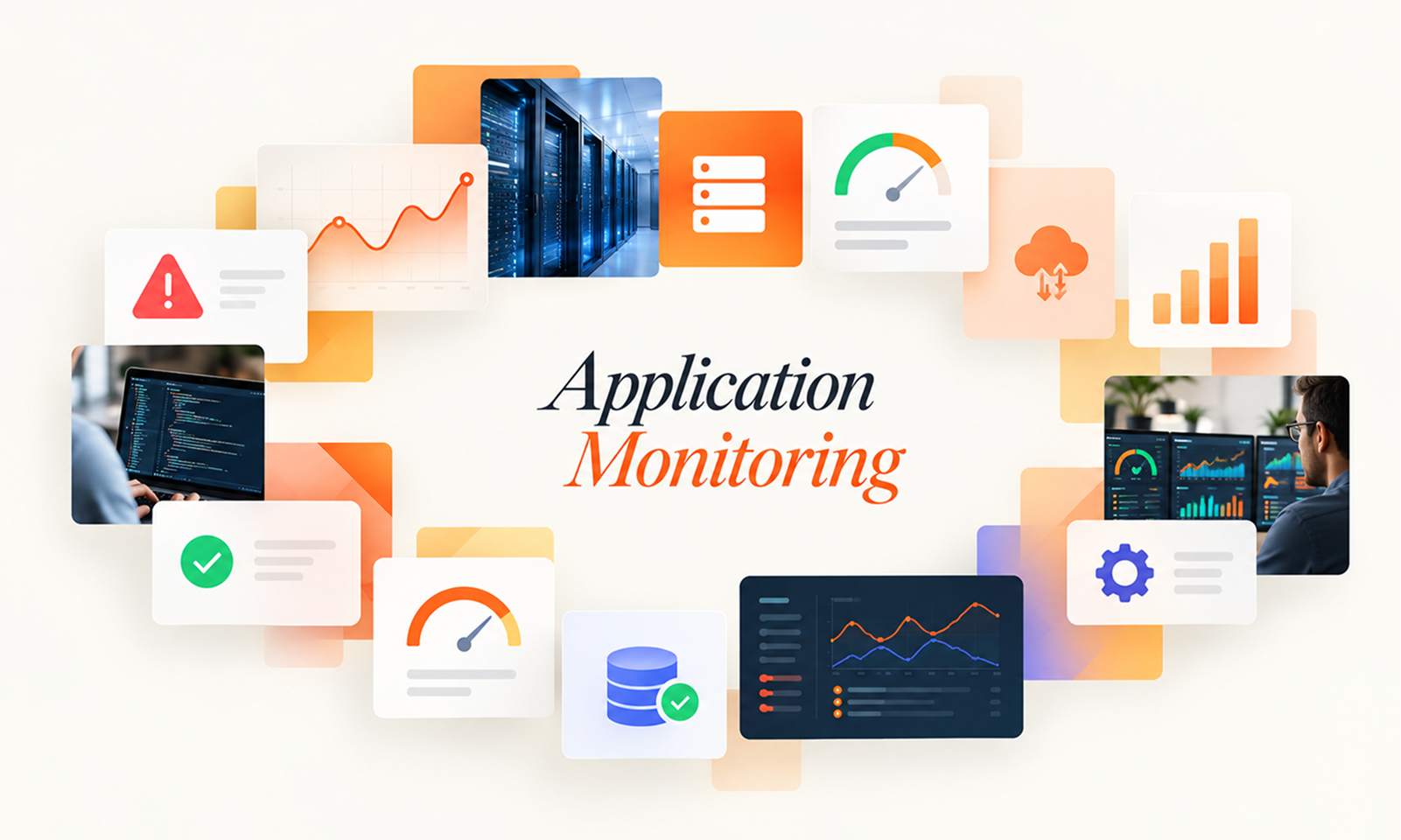
Application Monitoring: What Should You Monitor in a Production App?
October 6, 2026
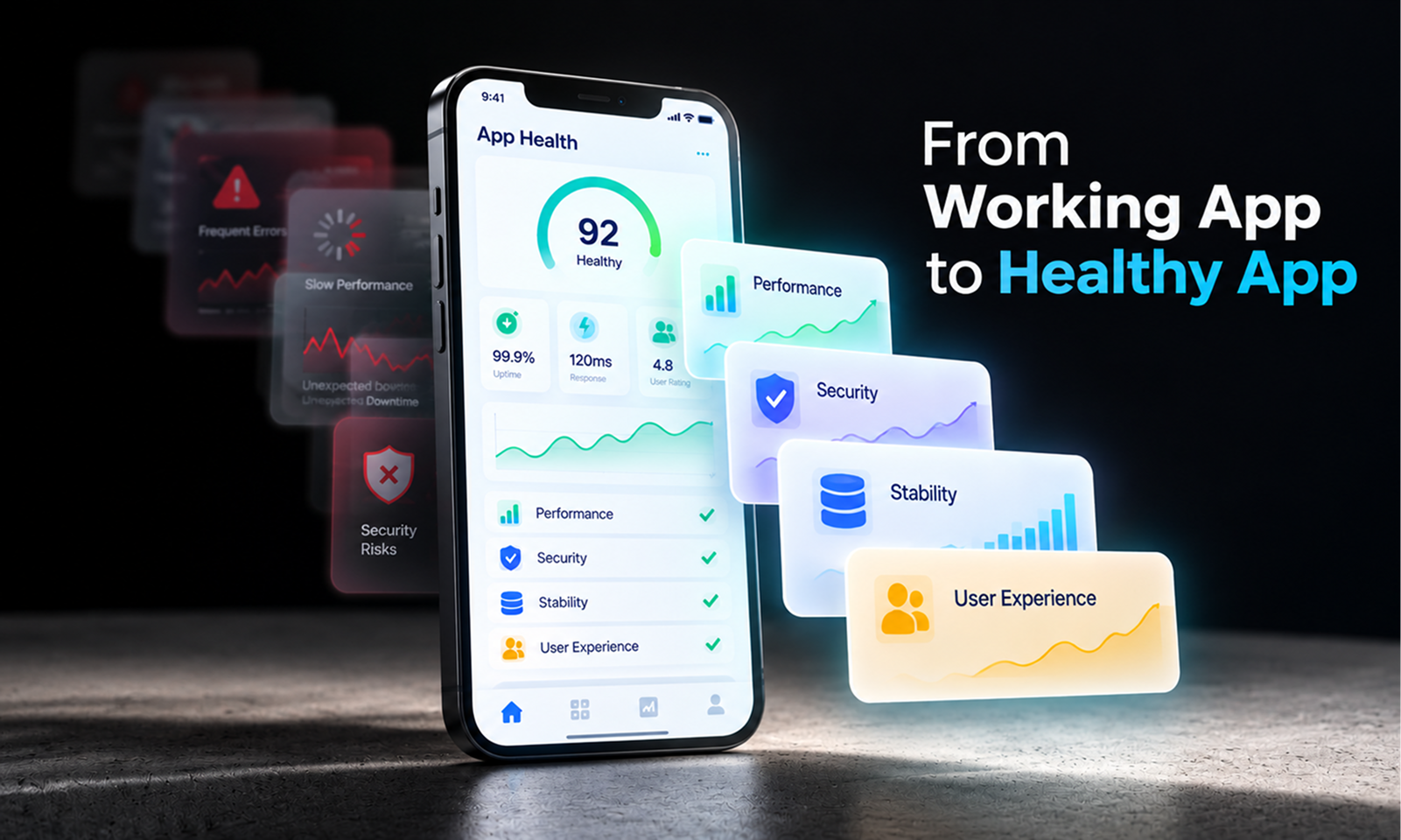
From Working App to Healthy App: Why “It Works” Is Not Enough
October 6, 2026
How Technical Debt Affects the Health of Your Application
October 6, 2026
10 Warning Signs Your App Needs Maintenance
October 6, 2026
How to Conduct an Application Health Check
October 6, 2026
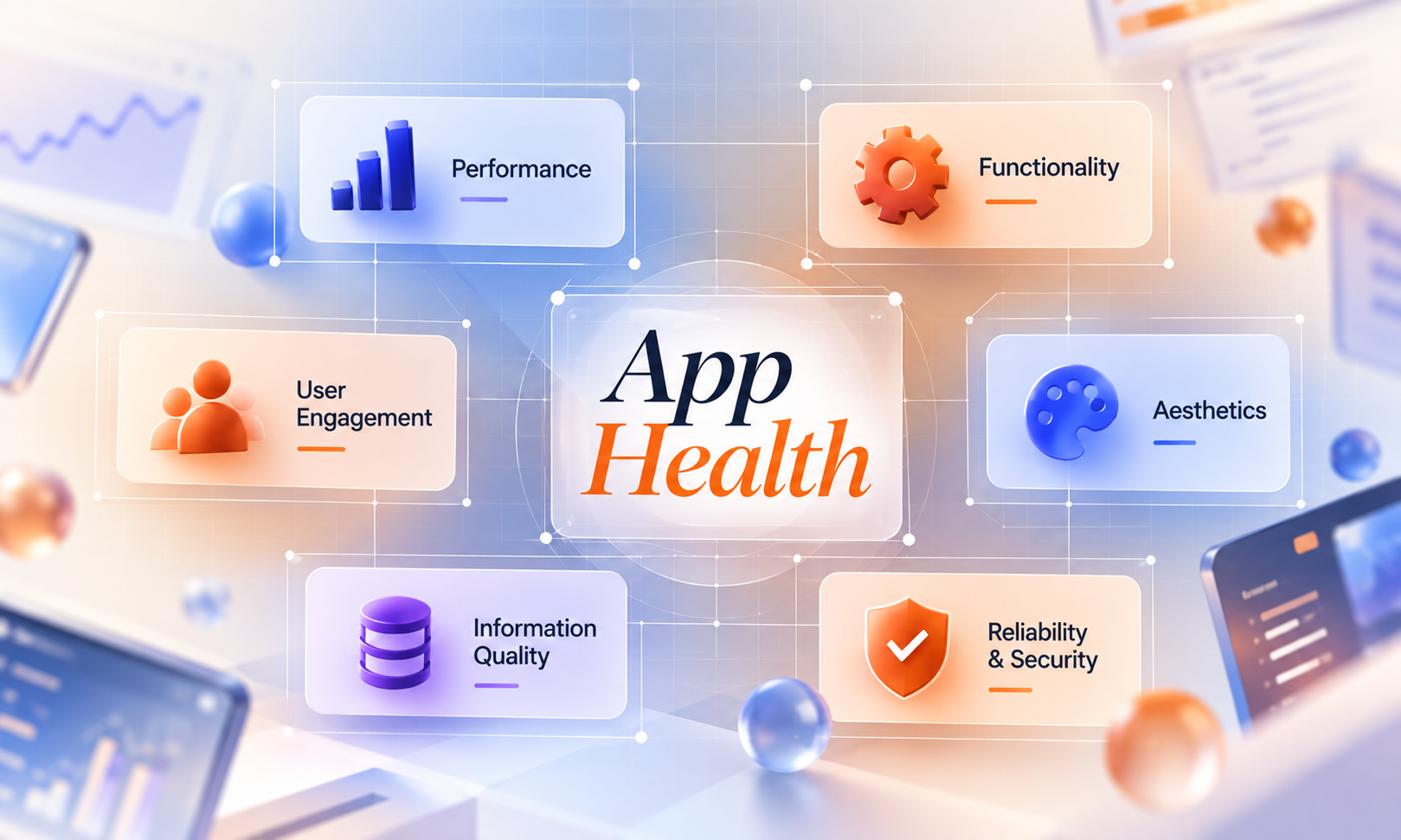
How the Different Dimensions of App Health Work Together
October 6, 2026
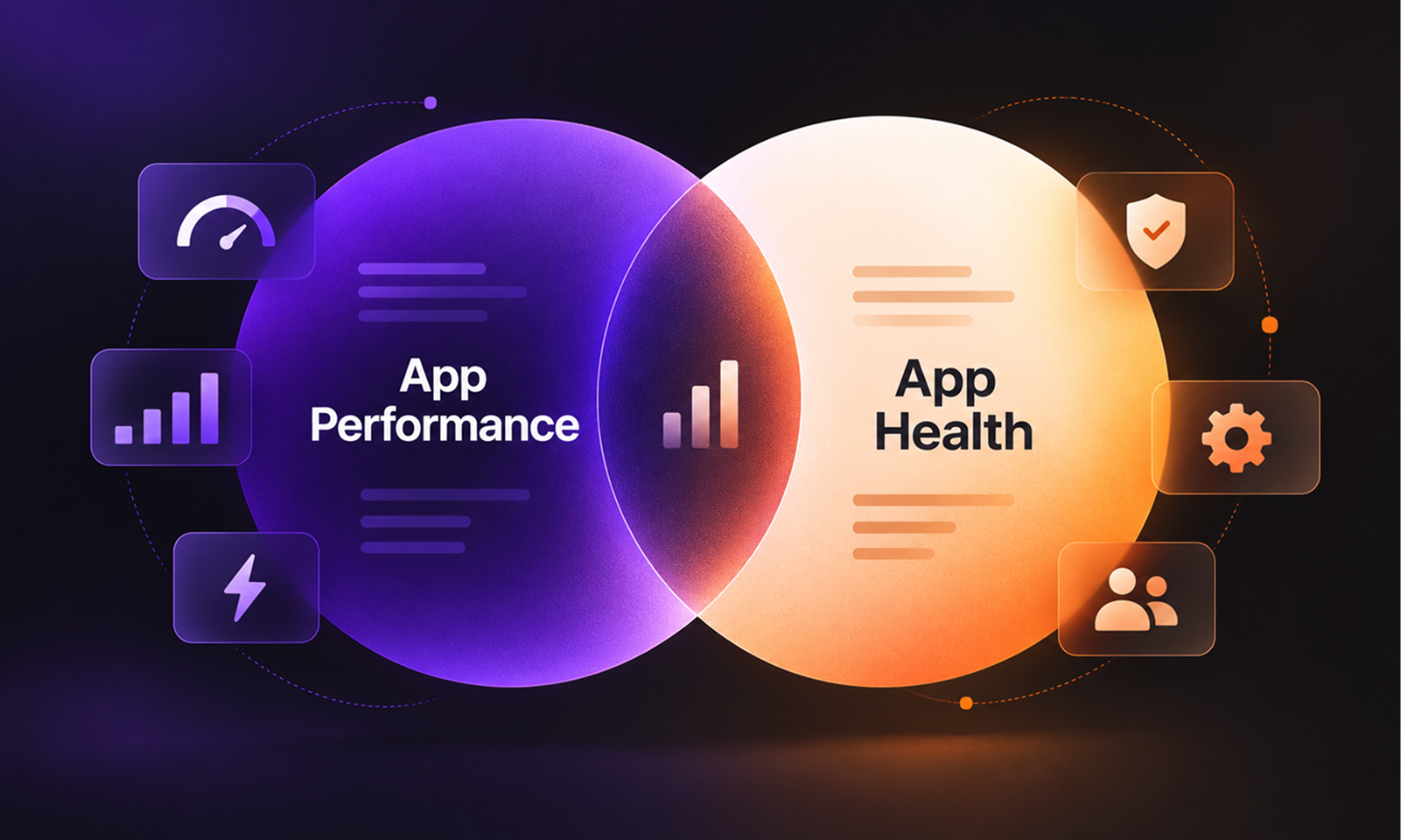
App Health vs App Performance: What’s the Difference?
October 6, 2026
What Makes an App Healthy Beyond Uptime?
October 6, 2026
How to Measure App Health: The Metrics That Actually Matter
October 6, 2026
The App Health Checklist: How Healthy Is Your Application?
October 6, 2026
What Is App Health? 17 Signs of a Healthy Application
October 6, 2026
How Often Should an App Be Maintained?
October 6, 2026
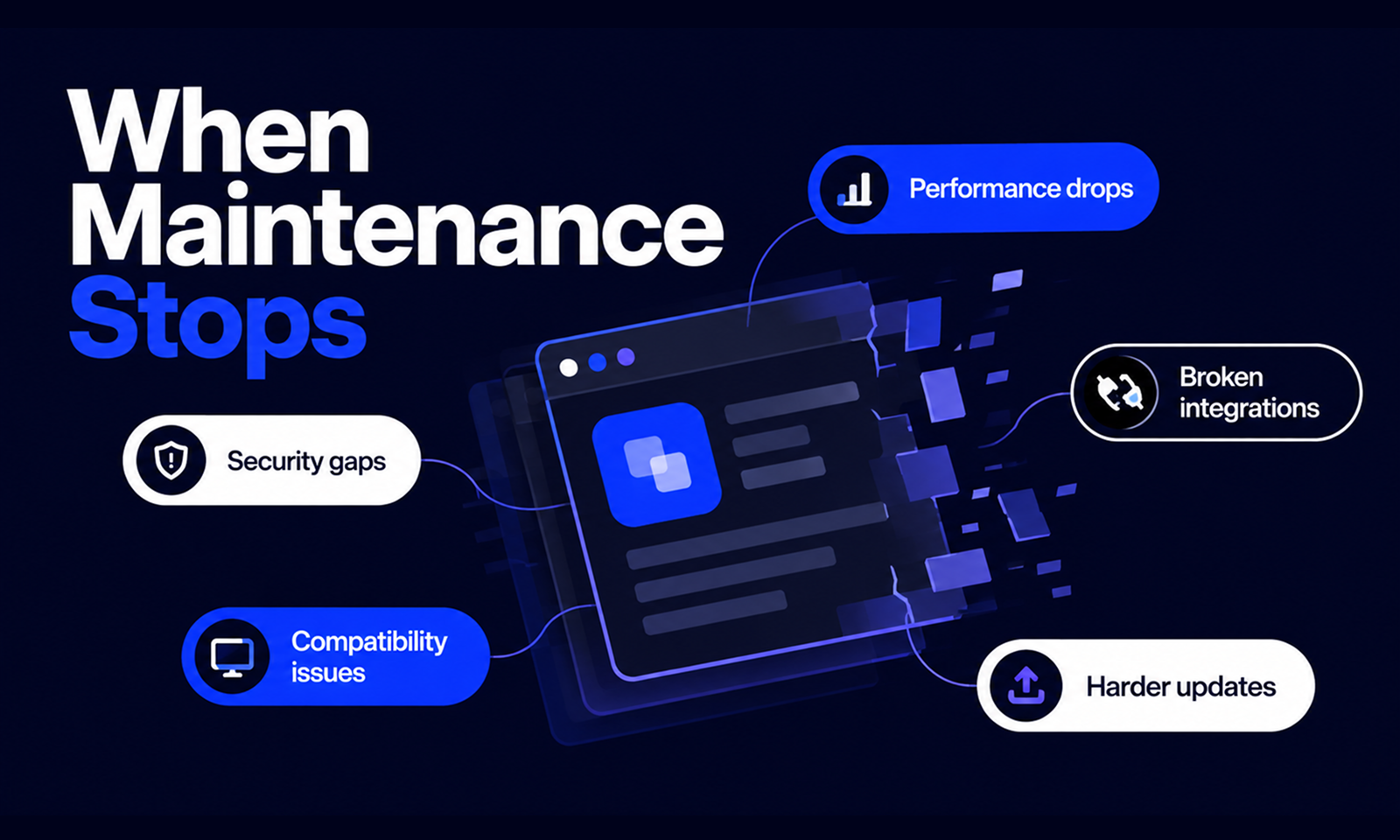
What Happens When You Stop Maintaining an App?
October 6, 2026
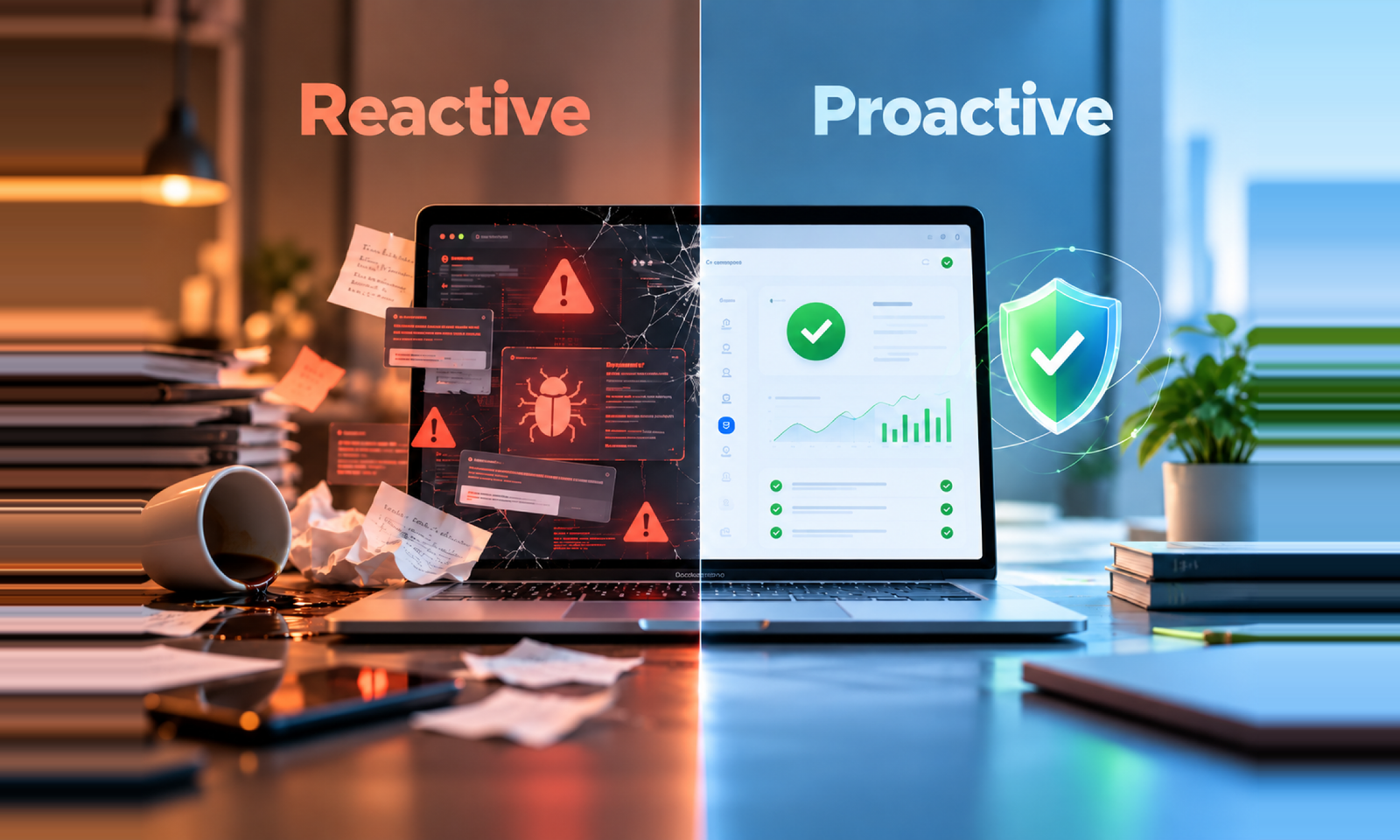
Reactive vs Proactive App Maintenance: Which Approach Costs Less?
October 6, 2026
Preventive App Maintenance: How to Fix Problems Before Users Find Them
October 6, 2026
The Complete App Maintenance Checklist for Product Teams
October 6, 2026
Why App Maintenance Starts the Day Your App Goes Live
October 6, 2026
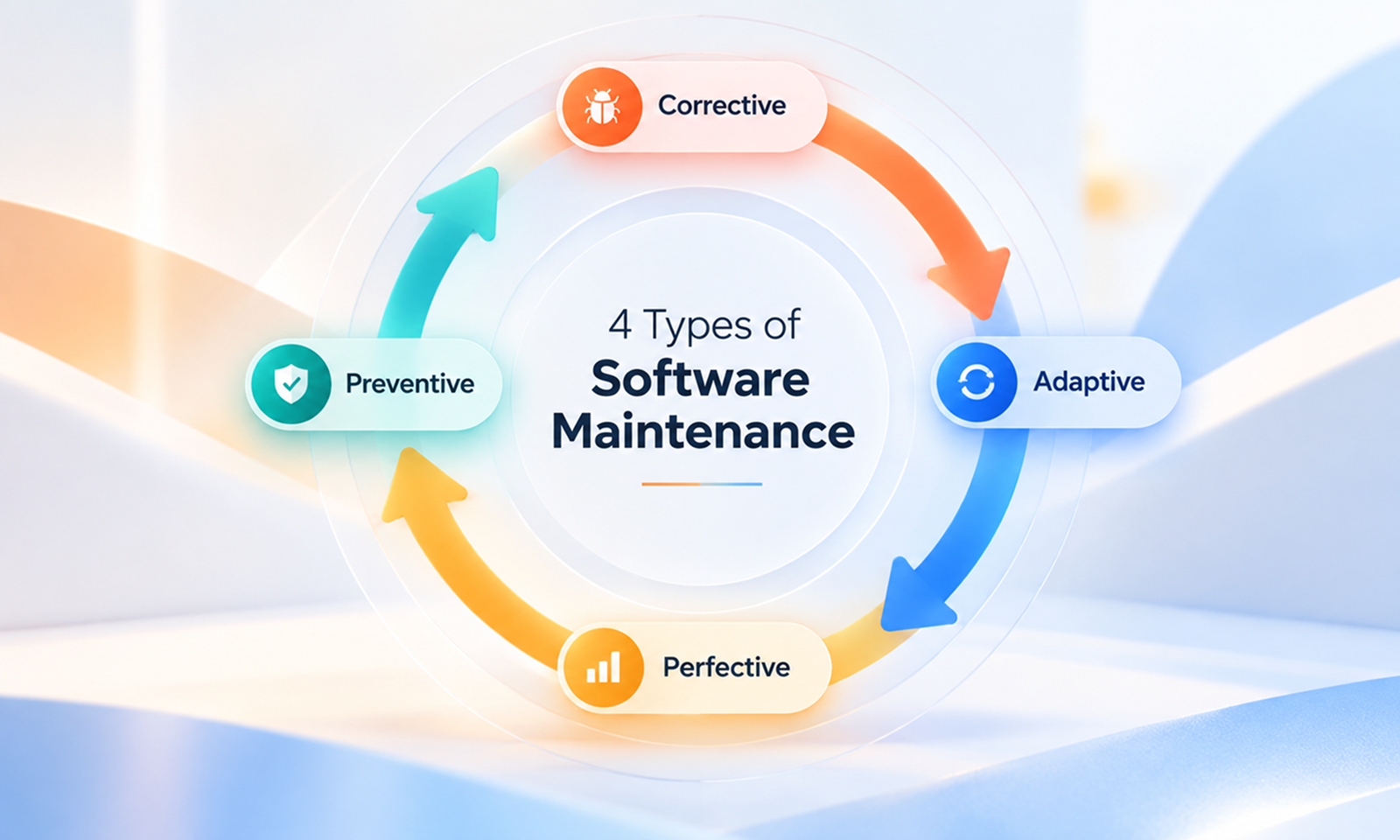
The 4 Types of Software Maintenance: Corrective, Adaptive, Perfective and Preventive
October 6, 2026
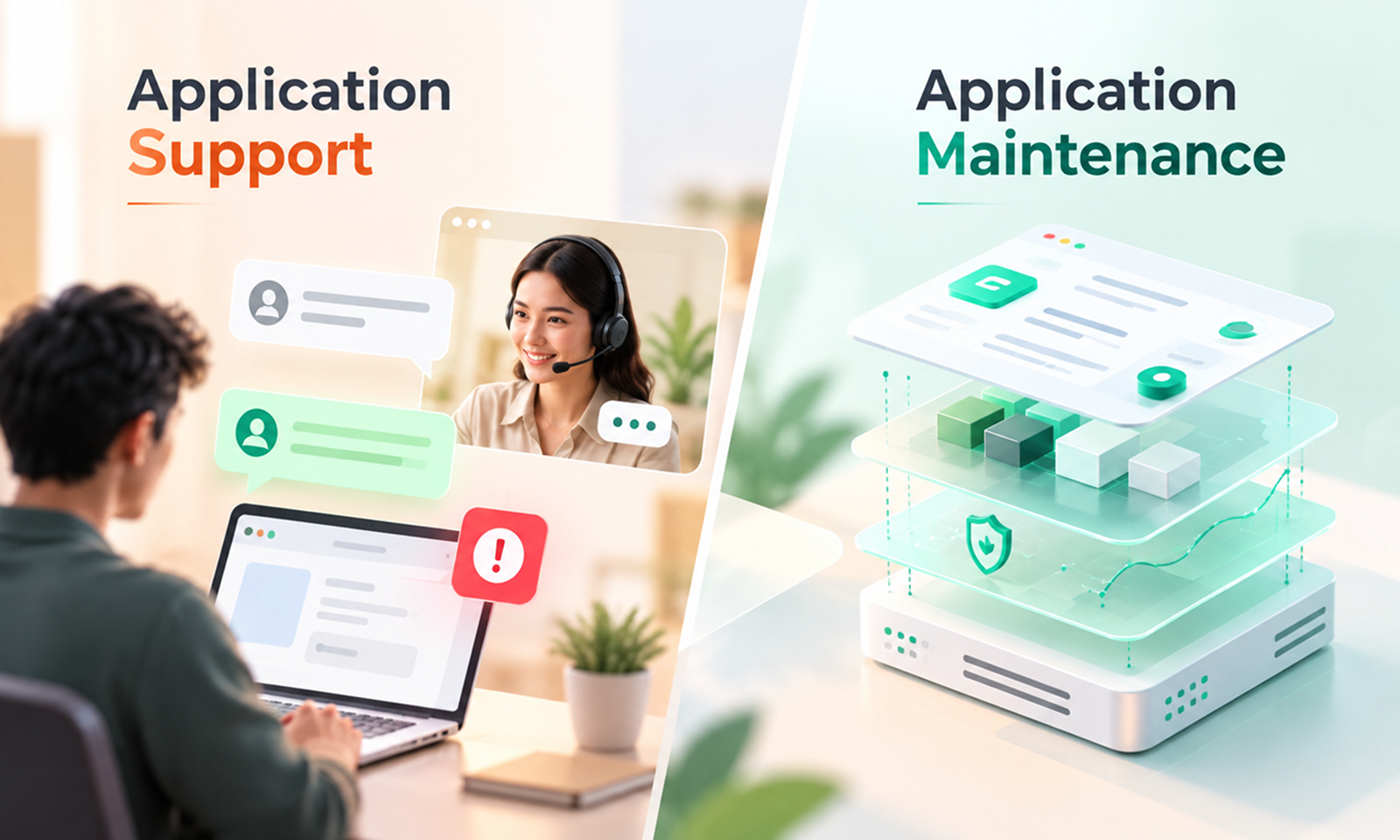
Application Maintenance vs Application Support: What’s the Difference?
October 6, 2026
What Do Application Maintenance Services Actually Include?
October 6, 2026
What Is Application Maintenance? A Complete Guide to Keeping Your App Healthy