

Defence Research and Development Organisation (DRDO)

Building a secure offline navigation and alert ecosystem for defense teams in extreme terrains.

The Defence Research and Development Organisation (DRDO) is India’s premier agency for military research and innovation under the Ministry of Defence, developing advanced technologies for the armed forces across land, air, sea, and space.

In a rapidly changing defense and security landscape, we partnered with multiple DRDO research laboratories to modernize a mission-critical navigation and communication ecosystem used in high-altitude, avalanche-prone, no-connectivity environments.

The engagement focused on replacing legacy, fragmented workflows with a secure, fully offline platform that unified navigation, routing, alert dissemination, and field communication for scientists and on ground defense teams.
Committed to developing and upholding sustainable practices
We believe that the built environment plays an important role in achieving these goals
Committed to developing and upholding sustainable practices
Problem
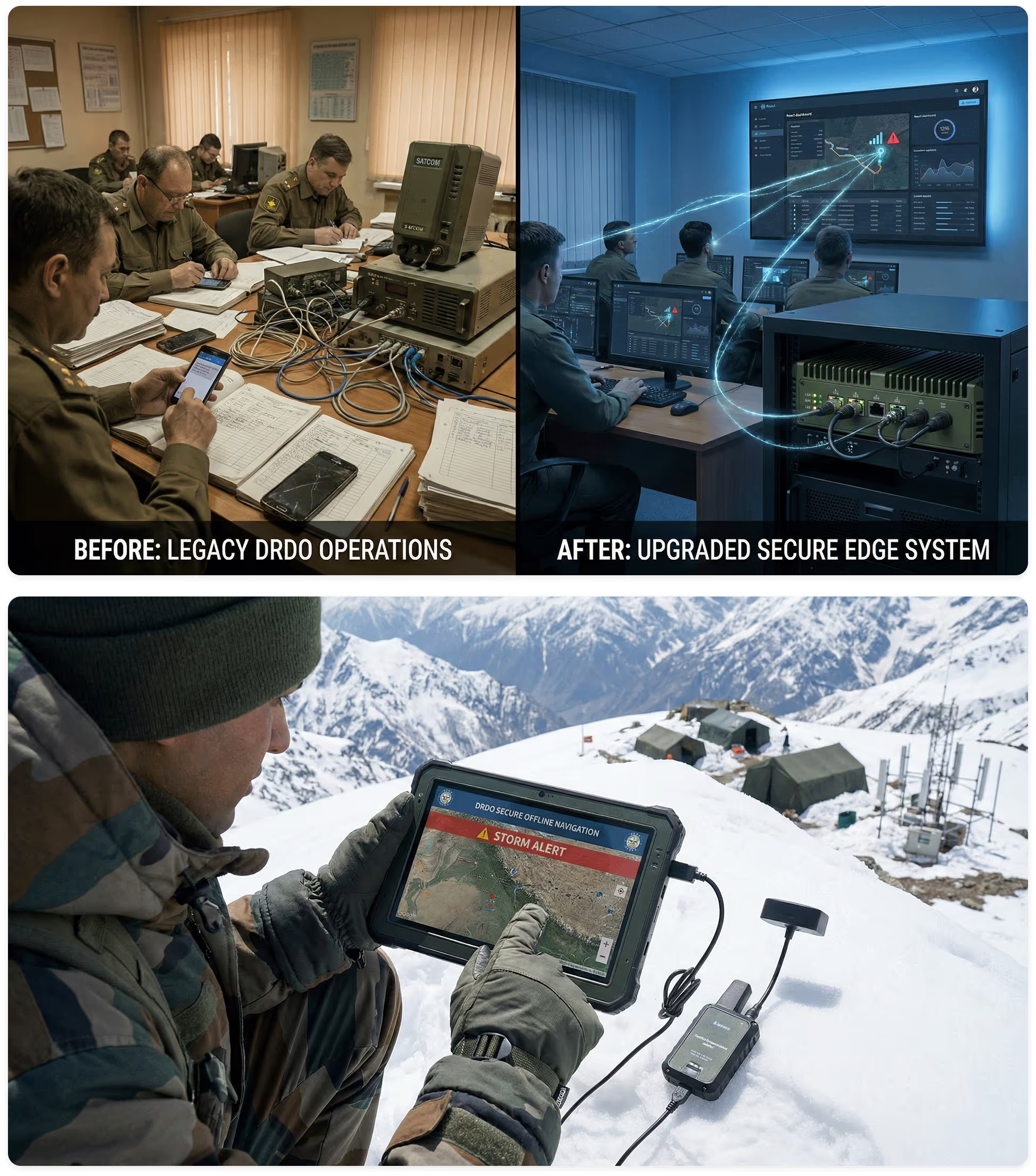
Defense teams operating in extreme and conventionally inaccessible terrains relied on legacy field tools, manual alert dissemination, and desktop-dependent geospatial workflows. They struggled to operate safely and scale securely in no-connectivity environments, with challenges like delayed avalanche and weather alerts, fragmented communication, and frequent system failures when working with large-scale terrain datasets.
How might we?
1
Integrate securely with DRDO networks and systems as a defense grade foundation
2
Process and render large terrain datasets efficiently on constrained embedded hardware
3
Provide reliable offline navigation in high altitude, no connectivity terrains
4
Cut avalanche and weather alert times from hours to near real time
5
Unify alerts, SMS, routes, and locations in one communication workflow
6
Design an interface scientists and operators can learn fast and trust under pressure

Integrate securely with DRDO networks and systems as a defense grade foundation

For DRDO, the first requirement was that any new system should fit cleanly into existing secure defense communication infrastructure, not create parallel workflows. During discovery, we studied how alerts, messaging, routes, and location updates were already flowing across existing protected systems and field communication channels. This helped us understand which parts of the current flow were manual, slow, or fragile. The goal was to respect existing security controls while quietly replacing the manual steps that caused long delays and errors.

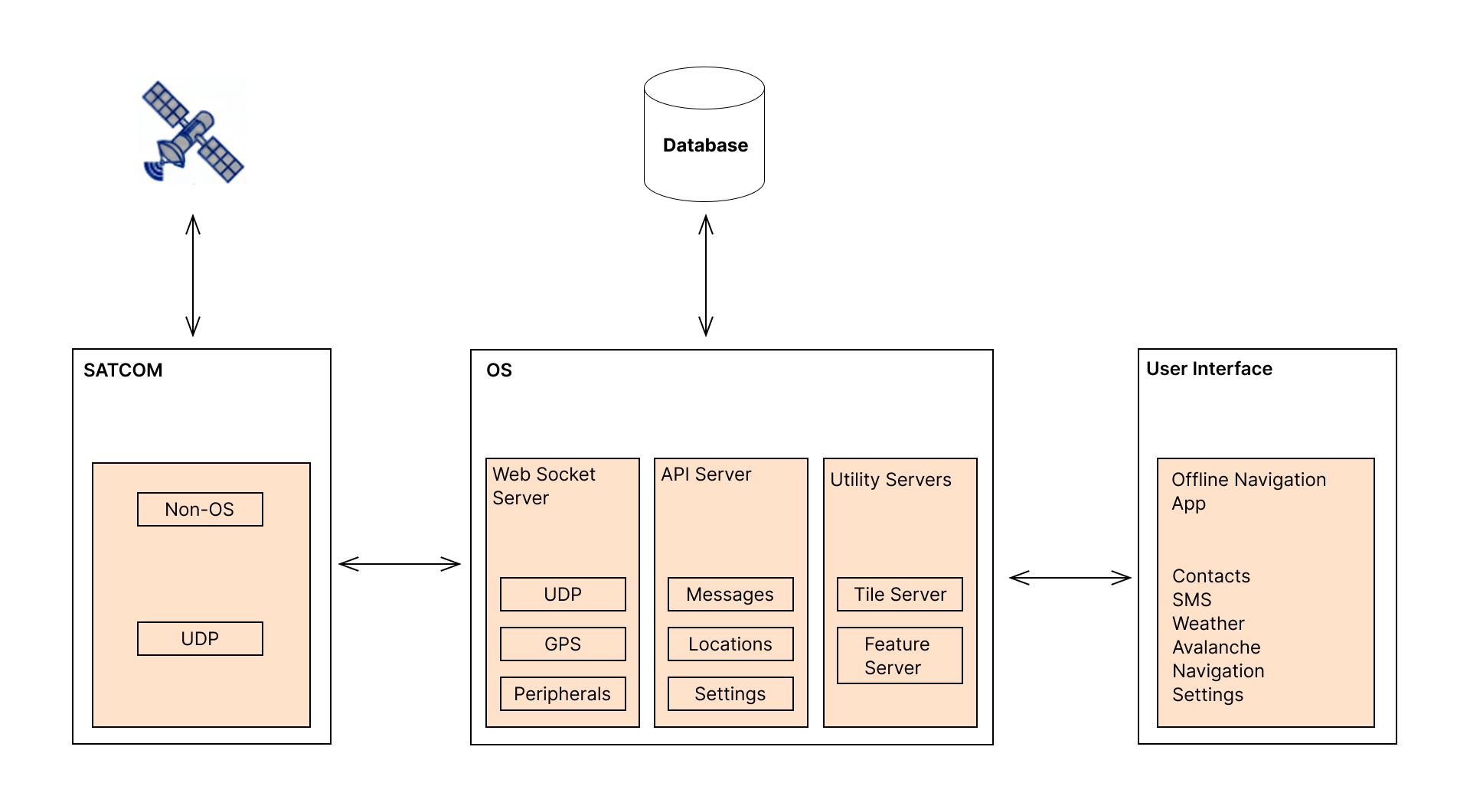
In the solution, a secure, offline communication backbone connected field devices with existing defense systems so alerts and mission data could move reliably across the protected environment without manual steps. The platform used custom backend services, an on-device data layer, and a secure frontend interface while remaining compatible with existing defense communication formats and field-ready embedded environments.

Images in this case study are AI-generated and used for illustration purposes only

Process and render large terrain datasets efficiently on constrained embedded hardware

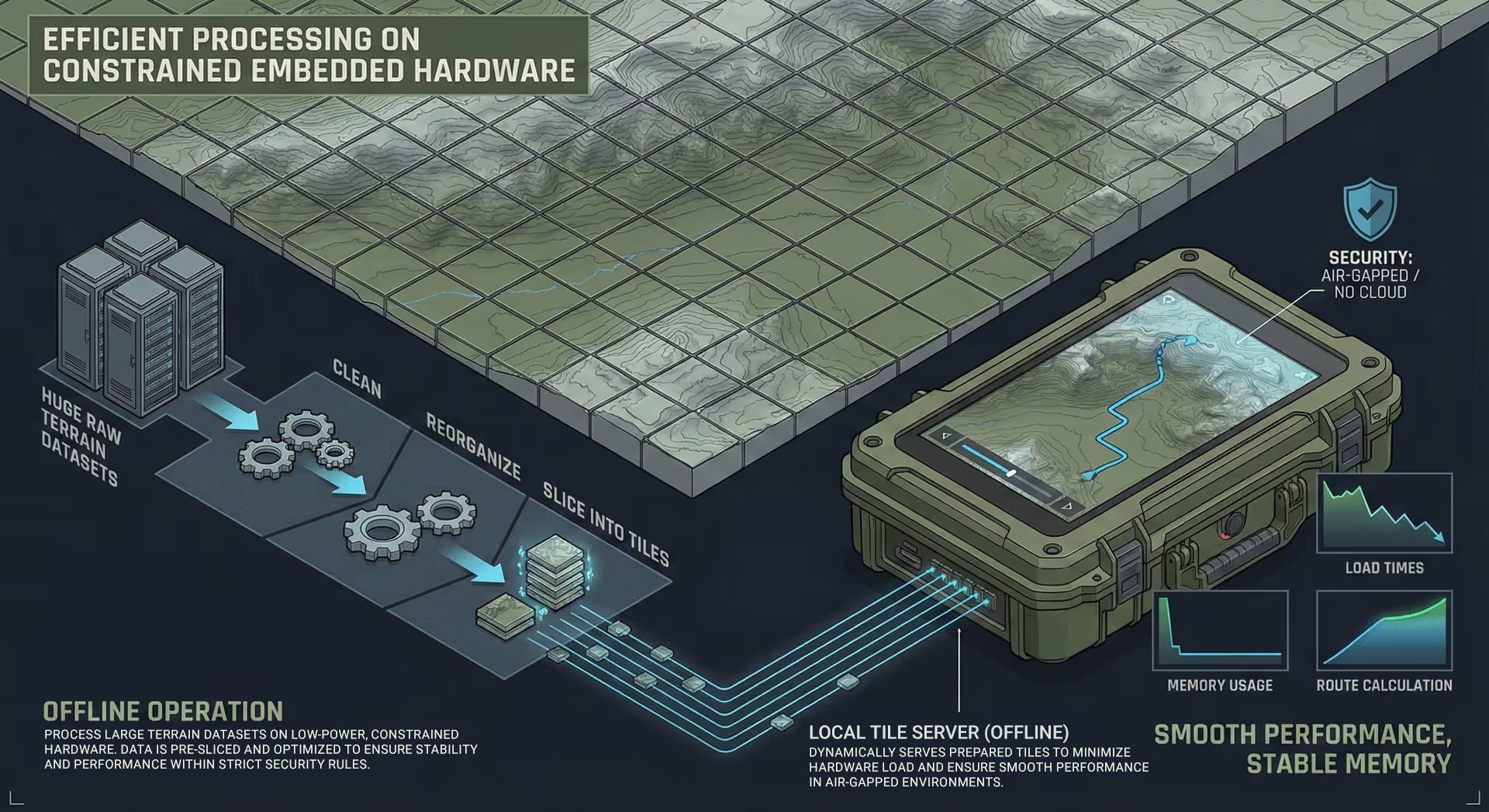
DRDO worked with very large terrain and elevation datasets across mission-relevant operating areas. The older tools struggled with this scale. Maps took a long time to prepare on desktops, devices slowed down or crashed under load, and field teams could not rely on the system when they needed it most. At the same time, the field environment had limited processing capability and strict security rules did not allow shifting this work to the cloud.

Instead of sending heavy raw files directly into the field environment, the data was first cleaned, reorganised, and prepared into smaller, device-friendly pieces through an automated geospatial processing pipeline. In the field system, a lightweight map-serving layer delivered only the required terrain information to the navigation interface at any moment.

Throughout the project, performance was measured and tuned so that maps loaded smoothly and routes could be calculated without exhausting the hardware. This allowed DRDO to work with large and detailed terrain datasets on constrained embedded devices in a stable and predictable way.

Images in this case study are AI-generated and used for illustration purposes only

Provide reliable offline navigation in high altitude, no connectivity terrains

DRDO needed navigation that continued to work exactly where normal systems failed, in high-altitude regions with no GSM coverage and no access to external infrastructure. The existing navigation workflow depended on legacy field tools and external desktop preprocessing of maps and routes. Terrain data had to be prepared in advance, loaded through manual steps, and could not respond easily when conditions or mission plans changed in the field.

To address this, the navigation and route-support capabilities were moved fully into the field system so teams could plan and navigate without relying on connectivity or external systems. The platform combined a secure embedded operating environment, custom backend services, and an on-device geospatial engine, with locally stored prepared data supporting map rendering and route computation.

With the entire navigation capability running in a hardened, low-power field environment, teams gained reliable route support, navigation, and situational awareness in areas with no GSM coverage. Routes could be computed on demand from the data already present in the field system, preparation time was reduced, and teams were able to depend on the system during missions in rugged, high-altitude, no-connectivity environments.

Images in this case study are AI-generated and used for illustration purposes only
ONTAS: Offline Navigation Platform for Defence Field Operations
Transforming Alternative Education | Lateshia Woodley | TEDxDecatur
Val-Ed founder Mayank Solanki sharing few thoughts on character building.

Cut avalanche and weather alert times from hours to near real time

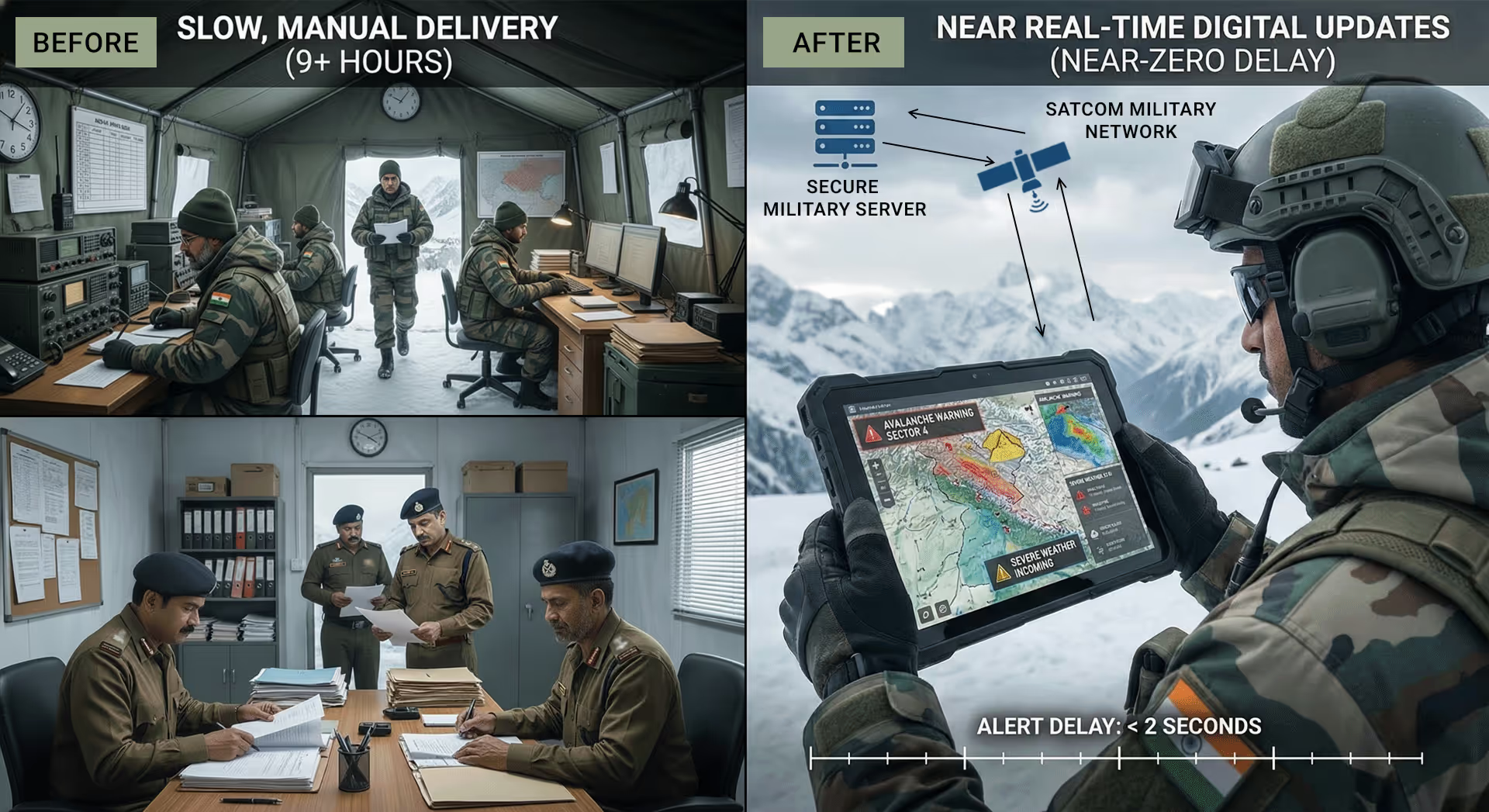
For teams operating in avalanche-prone, high-altitude regions, the value of a navigation system depends heavily on how quickly it can deliver changing weather and avalanche information. In DRDO’s context, these alerts were generated centrally and then moved across multiple departments through manual and physical channels, which often resulted in long delays before reaching the people on the ground. This gap created real risk for units that had to make route and safety decisions while conditions were shifting around them.

In the new platform, alerts were delivered directly to field devices as soon as they were generated, removing the need for manual forwarding across departments. The platform used a secure low-latency communication layer to receive, store, and surface alerts within the field interface so updates could appear as messages, overlays, or map-based information.

This redesigned flow made weather and avalanche updates available to field teams in near real time. Faster visibility of changing conditions supported quicker, better-informed decisions, more appropriate route choices, and improved safety for units operating in extreme terrains.

Images in this case study are AI-generated and used for illustration purposes only

Unify alerts, SMS, routes, and locations in one communication workflow

In low to no connectivity regions, teams needed more than just a good map. They needed a clear picture of what was happening around them: new alerts, field messages, shared route information, and live locations of devices in the field. When each of these travelled through separate tools and channels, it became difficult for operators to maintain situational awareness and act with confidence in fast-changing conditions. A unified view of these signals was essential for safer, more coordinated missions.

The device became a single mission hub where alerts, messages, route information, and locations could be received, viewed, stored, and shared through one consistent workflow. The platform used a secure communication layer, common data structure, on-device storage, and a unified field interface to make mission information available in one place, while supporting seamless data flow with existing protected systems.

This allowed units to see and work with all mission-critical information in one place, instead of juggling separate tools, which strengthened coordination between research teams and field units.

Images in this case study are AI-generated and used for illustration purposes only

Design an interface scientists and operators can learn fast and trust under pressure

Scientists inside DRDO and military units on the field already worked with complex tools and large datasets, but their mission interface needed to feel simple and dependable in high-pressure situations. They needed to see routes, terrain, alerts, locations, and messages in one place, without digging through deep menus or switching between multiple systems. If the interface became confusing or slow, teams were likely to fall back to older methods, which would have undercut the value of the new platform.

To support fast adoption on the field, the interface was designed as a clear, workflow-led mission screen that surfaced the most important information without unnecessary steps. The platform used a secure frontend interface with real-time update support and interactive map-based views aligned with DRDO mission workflows.

During evaluations, this design helped DRDO teams adopt the system quickly, reduced the amount of training needed, and gave operators confidence that the device would respond predictably even under demanding field conditions.

Images in this case study are AI-generated and used for illustration purposes only

Engineering and Technology

Images in this case study are AI-generated and used for illustration purposes only

Teams reported faster alerts, more reliable navigation, and greater confidence in high altitude operations.

Scientists, engineers, and field operators across multiple DRDO research teams and high-altitude units engaged with the platform for navigation, alerts, planning, and mission coordination.
90%
Reduction in data processing time
< 1 min
Alert propagation time, down from 9+ hours
* Images in this case study are AI-generated and used for illustration purposes only
Educator
Admin
Management
Content
Operational
Situational Awareness
By unifying alerts, messaging, route support, and location sharing into a single interface, the platform improved how teams viewed and understood mission-critical information in real time. Scientists and field operators could see weather and avalanche alerts, terrain, routes, and device locations together, instead of relying on fragmented channels and manual coordination.

This clearer, consolidated view reduced delays, improved coordination between research teams and field units, and enabled faster, better-informed decisions in high-altitude, no-connectivity environments where timely awareness is critical for safety and operational readiness.
Field Readiness
By reducing dependence on external desktops and manual preprocessing, the platform enabled a self-contained, end-to-end workflow for field environments. Automated geospatial data preparation and on-device route support reduced preparation time and removed recurring bottlenecks that previously delayed deployments.

With faster data generation, instant alert availability, and fully offline navigation on proprietary hardware, units on the field were able to deploy with greater preparedness and operate confidently in high altitude or no connectivity conditions.
Risk Mitigation
Timely weather and avalanche information is critical for reducing exposure to safety hazards in high-altitude operations. By replacing manual, multi-department alert dissemination with near real-time delivery through a secure communication layer, the platform reduced delays that previously increased operational risk. Alerts reached field teams directly in the field interface, allowing conditions to be assessed as they changed rather than much later.

This faster visibility into weather and avalanche risks supported better route selection and decision-making in extreme terrain. Combined with reliable offline navigation and stable system performance, the platform helped lower the likelihood of safety incidents during missions in avalanche-prone, no-connectivity environments.
Client Experience
“The team worked closely with our scientists and engineers to understand real operational constraints. Their deep involvement helped deliver a secure, offline navigation and communication system that meaningfully improved field readiness and safety in high altitude & other inaccessable environments.”
DRDO
Lead Scientist
DRDO

More Case Studies